Does Salvation Army take TVs? Find out which TVs they accept, why most are rejected, and what to do with your old TV in NY & CT with this definitive 2026 guide.
Does Salvation Army Take TVs? A 2026 Donation Guide
So, you have an old TV you'd like to donate to The Salvation Army. It's a common question, and the short answer is yes, but only under very specific conditions.
Essentially, The Salvation Army can only accept items they know they can sell in their thrift stores. Think of them less like a recycling drop-off and more like a partner in rehoming goods. The proceeds from these sales are what directly fund their adult rehabilitation centers and other vital community programs.
That’s why they have a clear-cut policy: they typically only accept modern, working flat-screen TVs. An old, bulky tube TV or a massive projection unit from the early 2000s costs them money to transport and dispose of, which takes resources away from their mission.
What Kind of TV Will They Take?
The main things they look for are marketability and condition. Your TV donation needs to be something another family would be happy to buy and use right away.
This decision-making process is actually pretty straightforward.
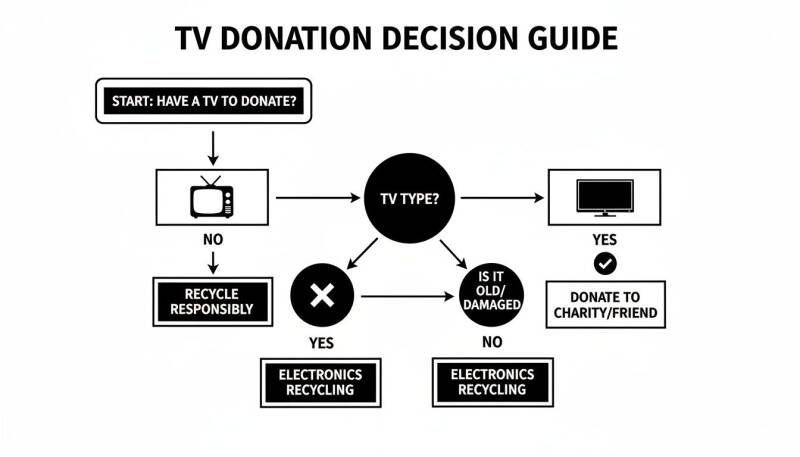
As you can see, it really comes down to the TV's technology and its age. If you have a working flat-screen that's in good shape, you're likely in the clear.
The Salvation Army's policy is firm across most of its 8,000+ locations. While their thrift stores handled an incredible 150 million pounds of donated goods in 2023, they have to be selective with electronics. For more detailed information on what your local center accepts, it's always a good idea to review The Salvation Army's official donation guidelines.
Salvation Army TV Donation Checklist
Use this quick table to see if your television is a good candidate for donation before you load it into your car.
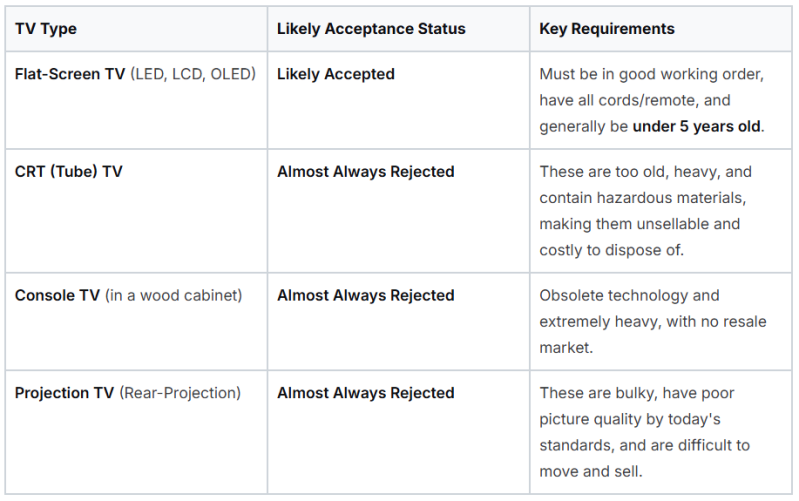
Ultimately, if your TV is a modern, lightweight flat-screen that works perfectly, you stand a good chance. If it’s anything else, you’ll likely need to find an alternative.
Why Charities Must Refuse Most Televisions
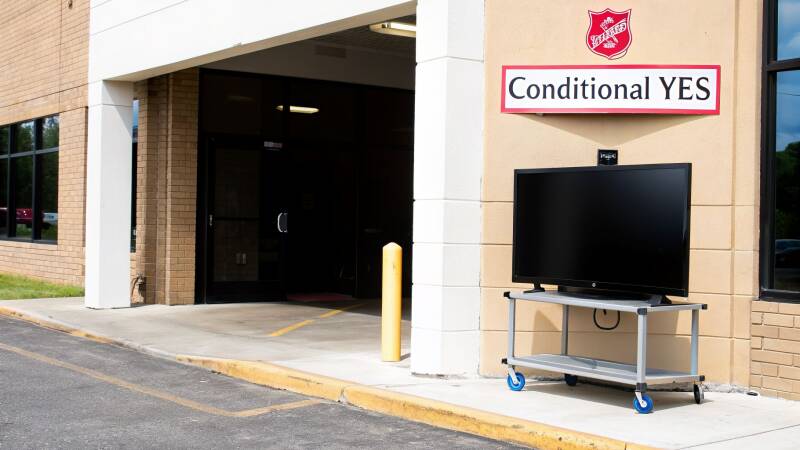
It’s always a little jarring to have a donation turned away, especially something you think someone else could use. But for charities like The Salvation Army, the decision isn't personal—it's pure economics. Every donated item has to either sell to raise funds or go directly to someone in need.
If an item can't do either, it flips from being an asset to a liability. A thrift store manager has to think like a business owner. Accepting an unsellable TV is like taking on a disposal project they have to pay for, which pulls money away from their actual mission.
The Hidden Costs of E-Waste
Older TVs, especially the heavy, boxy CRT models, are a major source of electronic waste, or e-waste. They’re packed with hazardous materials like lead and mercury, which means they can't just be thrown in a dumpster. Disposing of them properly requires a specialized and expensive recycling process.
When a charity accepts a TV it can’t sell, that recycling bill falls on them.
The financial hit is bigger than most people realize. Properly recycling a single old television can cost $30 or more. That's money that could have been used for a hot meal, a night of shelter, or critical addiction recovery services.
This isn't a small problem. In states with tough environmental laws, the costs are staggering. The Salvation Army's Northern Division, which serves Minnesota and North Dakota, reported having to turn away over 40,000 large electronics in one year alone to avoid the crippling disposal fees. You can get the full story on their breakdown of donation challenges.
This reality check explains why so many donors get a polite "no, thank you." In fact, a 2026 consumer survey revealed that 75% of donors who tried to give away a TV were ultimately rejected.
Resale Value and Market Demand
Even if a TV isn't an old CRT, charities still have to think about its resale potential. The second-hand electronics market moves lightning fast. A high-end TV from ten years ago is often seen as obsolete and clunky today, making it a tough sell for thrift store shoppers.
To keep their mission funded, store managers have to prioritize items they know will move off the shelves quickly. For TVs, that means:
- Modern, lightweight flat-screen models.
- Units with current connections, like HDMI ports.
- Televisions that are complete with their original remote and power cord.
By being selective, these organizations protect their limited resources. It ensures their stores are filled with items that will actually sell, generating the income needed to help people in the community.
How to Check If Your TV Qualifies for Donation
Before you start wrestling that big TV into your car, a few quick checks can save you a ton of hassle and a wasted trip. Taking just five minutes to see if your TV is a good candidate for donation will prevent you from being turned away at the door.
First things first, find out how old it is. Flip the TV around and look for a sticker or plate on the back. You're looking for a “manufacture date” or “MFG date.” This date is probably the most critical factor; Salvation Army locations overwhelmingly prefer TVs made within the last five years.
A Simple Function Test
Once you've checked the date, it's time for a quick reality check. Remember, donating a broken item just shifts the disposal cost onto the charity. Plug it in and run through these simple steps:
- Power On: Make sure the TV turns on easily and stays on.
- Screen Check: Take a close look at the picture. Are there any distracting lines, dark splotches, or dead pixels? The image should be crisp and clear.
- Test the Audio: Turn up the volume to confirm the speakers aren't blown out or making a distorted, crackling sound.
- Gather Accessories: Do you have the original remote control and the power cord? A TV is nearly impossible for them to sell without these key pieces, so it will almost certainly be rejected.
It's also a smart move to call your local center directly. While there are national guidelines, individual stores can have their own specific rules based on space and local demand. You can find the phone number for your nearest drop-off point using the Salvation Army's ZIP code locator at satruck.org.
Finally, it helps to manage your expectations. The official Salvation Army Donation Valuation Guide might list a fair market value of $78 to $233 for a TV, but that applies to newer, in-demand models. In reality, statistics show that only about 22% of all TVs people try to donate actually meet the strict acceptance criteria.
The Smartest Alternatives for Your Unwanted TV
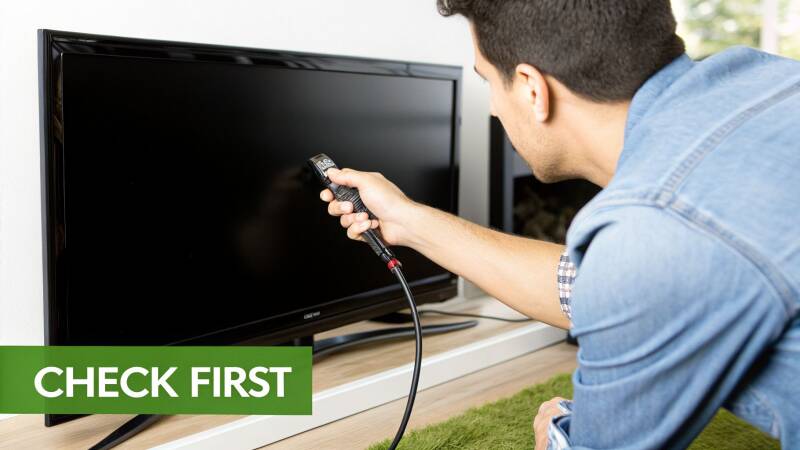
So, your TV got turned away at the donation center, or you knew from the start it wasn't going to make the cut. Don't sweat it. You still have plenty of great, responsible ways to get that television out of your house for good.
Now, your focus just shifts from donation to smart disposal. The good news is that there are options that are both convenient and environmentally friendly. It really boils down to how much time and effort you want to put in versus how much you're willing to spend.
Find a Certified E-Waste Recycler
Your most eco-friendly move is to find a certified e-waste recycling center. These facilities are the real deal, set up to safely break down electronics and keep hazardous materials like lead and mercury out of our soil and water. Many towns or counties even host free e-waste collection days, making it an easy win for your wallet and the planet.
A single old-school CRT television can contain up to eight pounds of lead. Making sure it gets to a proper recycler is the single best thing you can do for the environment when getting rid of it.
Use Online Marketplaces
Believe it or not, you might find a new home for your TV on a local online platform like Facebook Marketplace or Craigslist. If the TV still works but was just too old or clunky for a charity, someone else might be happy to take it off your hands. The magic word here is "free."
Simply list your working TV for free with a "you must pick it up" rule. You'd be surprised how quickly someone will come and grab it. This can be a zero-cost, zero-effort solution that gets the TV out of your living room in less than a day.
Hire a Professional Junk Removal Service
For the absolute easiest solution, nothing beats calling a professional junk removal service. This is the simplest, most hands-off way to dispose of any TV, no matter its size, age, or if it works. You won't have to wrestle with local recycling laws, find a truck, or throw out your back trying to move it.
If you're a homeowner in Westchester, Dutchess, or Fairfield counties, a local service can handle everything. A team arrives at your home, does all the heavy lifting, and ensures your TV is taken to the correct recycling facility. It’s a completely "done-for-you" approach that solves the problem instantly. To get a better feel for preparing for a pickup, you can browse our junk removal tips and resources.
Comparing Your TV Disposal Options
Deciding which route to take depends on your priorities. This quick table breaks down what you can expect from each option.
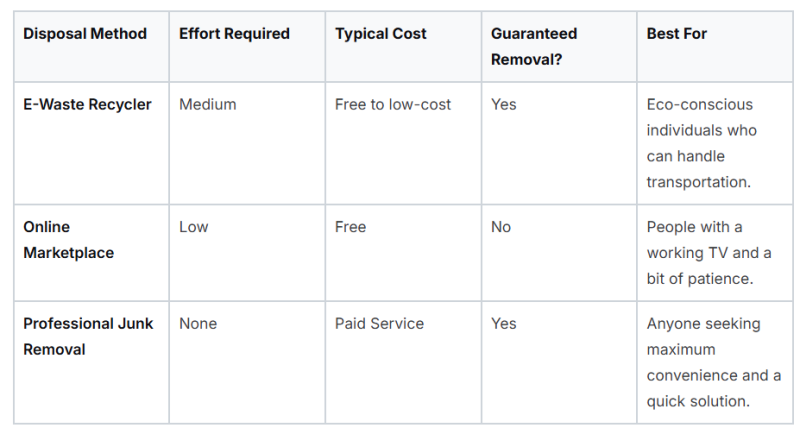
Ultimately, each method gets the job done. Choosing the right one is just a matter of weighing convenience against cost and your willingness to do a little legwork.
Why Junk Removal Is the Easiest Solution
Let's be honest: when you're in the middle of a big cleanout, moving, or clearing out a loved one's home, convenience is king. That old, heavy TV sitting in the corner can quickly become a major roadblock, packed with uncertainty and the very real risk of a strained back.
This is where professional junk removal completely changes the game. It’s a true ‘one-and-done’ solution. You make one call, and the problem simply disappears. No more trying to decipher confusing local e-waste rules, borrowing a friend’s truck, or wrestling a bulky screen out the door.
The real value isn't just getting rid of the TV; it's the absolute peace of mind. You know the job will be done right—safely, quickly, and with respect for environmental regulations—all without you lifting a finger.
Think of it as the ultimate shortcut. Instead of losing an entire afternoon to logistics and heavy lifting, a professional team arrives and handles everything. They have the equipment and experience to remove the television safely and will make sure it ends up at a certified facility for proper disposal or recycling.
If you’re looking for the most direct path from "problem" to "solved," it’s worth exploring professional junk removal services to take care of it for you.
Common Questions About Donating Your TV
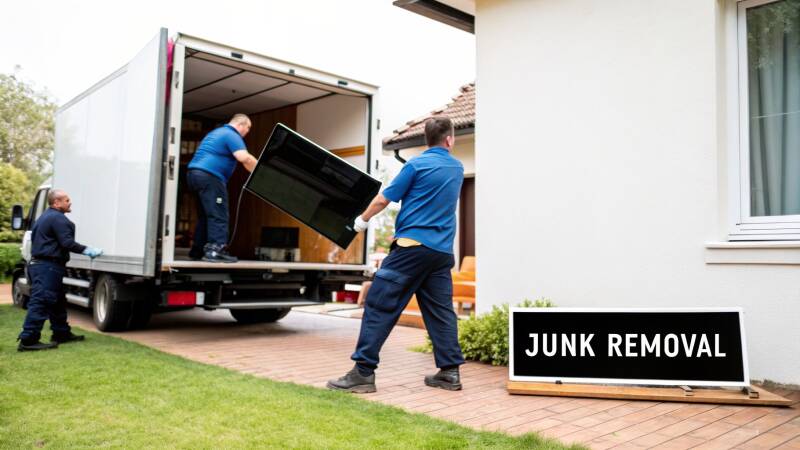
Even after covering the main points, a few practical questions always pop up. Let's tackle some of the most common ones we hear from people trying to find a new home for their old television.
Will Salvation Army Pick Up a Single TV?
Honestly, don't count on it. The Salvation Army's free pickup service is a great resource, but it's really intended for larger donations—think multiple pieces of furniture or a whole house's worth of goods. Dispatching a truck for a single TV just isn't cost-effective for them.
Your best move is to plan on dropping it off yourself, but only after you've called your local center to make sure they'll actually take it.
Can I Get a Tax Receipt for My Donated TV?
You'll get a receipt only if the Salvation Army officially accepts the TV. If they do, they’ll hand you a donation receipt. It's then up to you to figure out the TV's "fair market value" for your tax records.
A quick heads-up: If your TV is turned away or if you hire a junk removal company to take it, you won't get a donation receipt. Paying for a removal service is a fee for a job done, not a charitable gift.
What Happens to TVs Handled by a Junk Removal Service?
A good, environmentally-conscious junk removal service won’t just toss your TV in the nearest landfill. Their goal is always to dispose of it responsibly. That means taking it directly to a certified e-waste recycling facility.
Once there, the television is carefully taken apart. Technicians recover reusable materials like glass, copper, and plastic, while safely managing hazardous components like lead and mercury. It's a critical step in keeping toxic materials out of our soil and water. If you want to know more about the specifics of responsible disposal, feel free to contact our team.
If you've decided that a hassle-free solution is the right one for you, D&B Complete Home Services INC. can get that TV out of your way quickly and ethically. Visit us online to schedule your pickup.
Add comment
Comments