Don't let that old mower rust. Learn how to safely recycle old lawn mowers in New York and Connecticut with our guide to local options and junk removal.
A Homeowner's Guide to Recycle Old Lawn Mowers in NY & CT
Yes, you can absolutely recycle old lawn mowers, but it's not as simple as leaving them on the curb with your recycling bins. Proper disposal means you've got to safely drain all the hazardous fluids—we're talking gas and oil—and then get the machine to the right place, like a scrap metal yard or a special municipal recycling facility.
Why You Can’t Just Toss Your Old Mower
That old, rusty lawn mower taking up space in your garage isn't just an eyesore; it's filled with materials that can cause some serious environmental headaches if you don't handle them correctly. Dragging it to the curb for trash day is a no-go, and most municipal waste services will just leave it sitting there. There are good reasons for this, all centered around keeping our communities and environment safe.
The biggest issue is hazardous waste. Even a mower that seems empty still has residual gasoline and engine oil, and many have a lead-acid battery. If these machines get dumped in a landfill, those toxic fluids have a nasty habit of leaking out.
- Contamination Risks: Think about it—oil and gasoline seeping into the ground can easily find their way into local groundwater. That’s a direct threat to the drinking water quality for communities right here in places like Dutchess and Fairfield counties.
- Battery Hazards: The heavy metals in lawn mower batteries, like lead and corrosive acid, are incredibly toxic. If they're not disposed of properly, these dangerous materials can leach into the ecosystem.
The Environmental Toll of Mowers
It's not just about the fluids, either. The mowers themselves have a pretty significant environmental footprint, both during their working life and after. Gas-powered lawn equipment is a well-known source of air pollution. It might surprise you to learn that a single gas mower can spew out 88 pounds of CO2 and another 34 pounds of other pollutants every single year.
When you think about the millions of people mowing their lawns every week, it's easy to see how this adds up—to about 5% of the nation's total air pollution, in fact. You can dig deeper into the environmental impact of landscaping equipment and find resources for proper recycling.
By making the choice to recycle your old lawn mower, you’re actively preventing these problems. Instead of letting it become a toxic liability in a landfill, the machine gets a new life. The steel, aluminum, and plastic parts are recovered and reused, which helps build a circular economy and cuts down on the need to mine new materials.
Taking a little extra time to recycle your mower is a small action with a big impact. You're directly preventing pollution, protecting local waterways, and ensuring valuable metals are put back to good use.
At the end of the day, turning that old mower into scrap metal isn't just a "green" choice. It's a necessary step to protect our local environment and make smarter use of the resources we already have.
How to Safely Prep a Mower for Recycling
Before you can haul off that old lawn mower, there are a few crucial prep steps you can't skip. You can't just drop a mower at a scrap yard or recycling center as-is; they won't take it if it’s still full of gasoline and oil. It’s a major safety hazard.
Think of it like decommissioning a piece of machinery. The goal is to turn it into a harmless chunk of metal and plastic, getting rid of anything flammable, corrosive, or toxic. This whole process is about keeping you, the folks at the recycling facility, and the environment safe.
Drain All the Fluids—The Right Way
This is the most important part of the job: getting every last drop of gasoline and oil out of the engine. These liquids are not just flammable, they’re toxic, and handling them carelessly is a recipe for disaster. Always do this work outside or, at the very least, in a garage with the big door wide open for ventilation.
And it should go without saying, but keep any and all ignition sources far away. That means no smoking, no power tools kicking up sparks, and definitely no open flames nearby. Gasoline fumes are incredibly volatile, and it only takes one little spark.
Here’s what you’ll need to do:
- Get your gear ready. You'll need approved containers for gas and oil (make sure they’re clearly labeled), a simple siphon pump for the fuel, a wrench that fits the oil drain plug, and a good supply of old rags for the inevitable drips and spills.
- Siphon the gas. A hand-operated siphon pump is your best friend here. Use it to transfer the gasoline from the tank directly into a sealed, approved fuel container. Whatever you do, don't try to just tip the mower over to pour it out—it’s messy, unsafe, and a guaranteed way to make a dangerous spill.
- Drain the oil. Slide an oil drain pan underneath the mower. Find the drain plug on the bottom of the engine, get your wrench on it, and unscrew it. Let the oil drain completely before you screw the plug back in.
This quick diagram drives home why this prep work is so critical and why you can't just stick a mower out with the weekly trash.
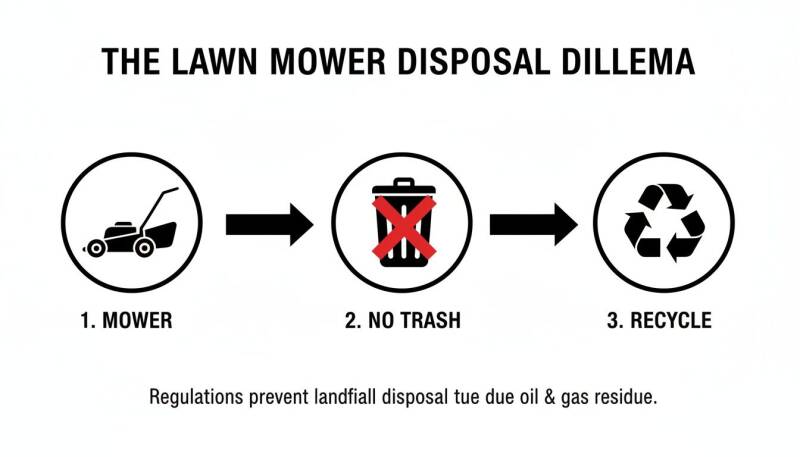
As you can see, the only responsible path forward is recycling.
Kill the Power to the Engine
With the fluids gone, your next move is to ensure the engine can't possibly turn over by accident. All this takes is disabling the two things that give it life: the spark plug and the battery.
Safety First: Don't skip this. Disconnecting the spark plug and battery is what prevents the engine from kicking on while you're working on it or moving it. It’s a simple action that can prevent a really serious injury.
First, find the spark plug. It’s usually sticking out of the front or side of the engine with a thick black wire connected to it. Grab the rubber or plastic cap—the "boot"—and give it a firm pull to pop it off the spark plug. If you want to be extra cautious, a socket wrench will let you remove the plug entirely.
What to Do With the Battery and Old Fluids
If your mower has an electric start, then it has a battery you need to deal with. Most are lead-acid batteries, which are highly toxic and absolutely cannot go in the trash. To remove it safely, disconnect the negative (black) cable first, then the positive (red) one. Doing it in that order prevents accidental sparks. Since the typical lifespan for these batteries is just three to five years, chances are it was due for recycling anyway.
At this point, you're left with a few hazardous items that need proper disposal:
- Old Gasoline: Never, ever pour it down a drain or onto the ground. You can often use it in another small engine if it's still good, or just take it to your local household hazardous waste (HHW) collection site.
- Used Motor Oil: This one’s easy. Most auto parts stores, like AutoZone or Advance Auto Parts, will take your used motor oil for recycling at no cost. Just pour it into a clean container with a tight lid for the trip.
- Lead-Acid Battery: Just like the oil, most auto parts stores are happy to take old batteries off your hands for recycling.
For a deeper dive into managing these different materials, check out this guide on how to dispose of old lawn equipment.
Once these last few pieces are removed and put aside, your mower is officially prepped and ready for its final destination at the recycling center.
Finding Local Recycling Options in NY and CT
Okay, so you've drained the fluids and decommissioned your old mower. Now for the real question: where does it go?
For homeowners across Westchester, Putnam, Dutchess, Orange, and Fairfield counties, you’ve got a few solid options. The best path forward really depends on how much time you have, how much legwork you're willing to do, and whether you're looking to make a few bucks or just get it off your property.
Basically, you have three main choices: a local scrap metal yard, your town's transfer station, or a professional junk removal service. Let's break down what each one involves.
Taking It to a Scrap Metal Yard
If you don't mind hauling the mower yourself and want to get a little cash for your trouble, a scrap yard is your best bet. These places buy old metal by weight, and since your mower is mostly steel and aluminum, they'll happily take it.
Before you wrestle it into your truck, give them a call. Ask about their specific rules for lawn mowers and check the current price for what they call "shred steel" or "light iron." They will absolutely insist that all fluids are drained, and some might even ask you to remove the tires. A quick phone call can save you a completely wasted trip.
Don't expect a huge payout. Honestly, the money you get for a single push mower will probably just cover your gas and a cup of coffee. The real win here is knowing the metal is getting properly recycled instead of rusting away in a landfill.
And that's a bigger deal than you might think. With an estimated 50 million push mowers and 12.5 million riding mowers out there in the US, proper disposal is a huge waste management issue. As you can see in these findings on lawn care equipment disposal, getting it right matters. Tossing a mower with fluids still inside can even lead to fines—a common headache for property managers in Westchester dealing with cleanouts or real estate agents prepping a home for sale.
Using Municipal and Town Services
Your local town or county almost certainly has a system for handling items like old mowers, but the rules can vary dramatically from one place to the next.
- Transfer Stations: Most towns in areas like Putnam or Dutchess County have a transfer station (or "the dump," as we all call it) where residents can drop off bulky metal. You’ll likely need a town permit or sticker on your car and might have to pay a small fee. Always check their website or call first to make sure they take mowers and to ask about their prep rules.
- Bulky Waste Pickup Days: Some communities in Fairfield County or Orange County offer scheduled bulky waste pickup days. This is super convenient, but you're on their schedule. You’ll need to know their specific list of accepted items, and they won't touch a mower unless it's completely drained of all fluids.
The fastest way to get the right info is to just search for "[Your Town Name] transfer station" or "[Your Town Name] bulky waste pickup."
Comparing Your Lawn Mower Recycling Options
Trying to decide which route to take? Here's a quick side-by-side look at the options for NY and CT residents to help you figure out what makes the most sense for you.
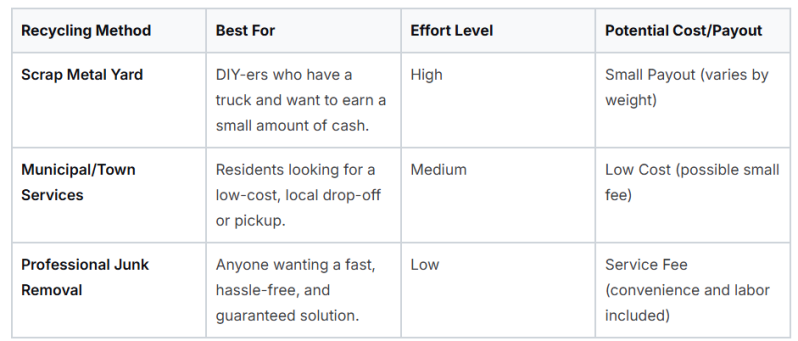
Each method gets the job done, but the trade-offs are clear. It really comes down to whether your priority is saving a few dollars or saving your own time and back.
The Hassle-Free Alternative
Let's be honest—for a lot of people, the time and effort of draining, prepping, and hauling a heavy, greasy mower just isn't worth it. This is where a professional junk removal service becomes the easiest and most efficient answer.
Instead of dedicating your Saturday to the project, you can have a team show up and handle everything from start to finish.
Going this route takes all the guesswork out of the process. A professional crew makes sure the mower is disposed of responsibly and taken to the right recycling facilities. If you're in NY or CT and just want the mower gone without the headache, you can learn more about our professional junk removal services and how we can save you a ton of time and effort.
Recycling Different Types of Lawn Mowers
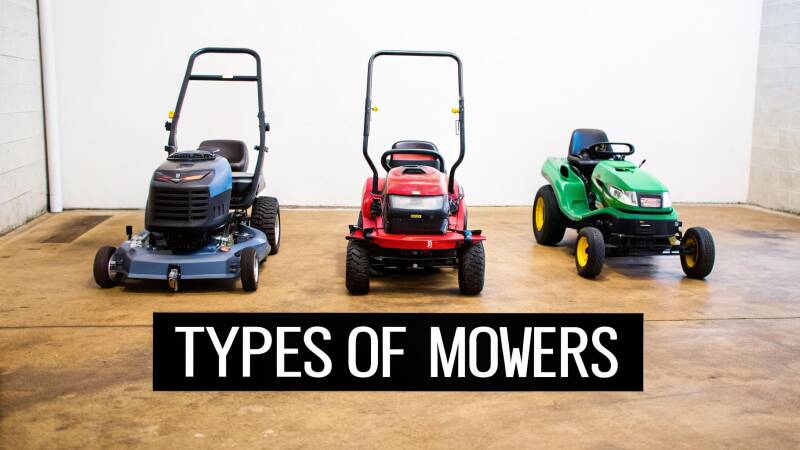
Not all mowers are created equal, and how you get one ready for recycling depends entirely on what’s been gathering dust in your garage. The steps for a simple gas push mower are worlds apart from what you need to do for a big lawn tractor or a sleek new battery-powered model. Knowing the difference is the key to getting it done right—and safely.
For most homeowners, the classic gas-powered push mower is the familiar standard. As we've already touched on, the process here is pretty straightforward: drain the fluids, yank the spark plug wire, and it’s basically ready for the scrap yard. This is your baseline for how to recycle old lawn mowers.
But things get a bit more involved when you're dealing with a riding mower. These machines are really small vehicles, and that means they hold more of everything.
Tackling Riding Mowers and Lawn Tractors
The biggest thing you’ll notice with a riding mower is the sheer scale. They have larger gas tanks, hold significantly more oil, and come with a heavy-duty lead-acid battery that’s a lot like the one in your car. While the basic prep steps are the same, the quantities are bigger and the parts are much heavier.
Then there's the challenge of just getting it to a recycling facility. You're not going to be able to just hoist a 400-pound riding mower into the back of your minivan. This job usually calls for a pickup truck or a trailer, adding a logistical wrinkle you don't have with a simple push mower.
Due to their size and weight, riding mowers are often a prime candidate for professional junk removal. It saves you the hassle of draining large volumes of fluid and figuring out how to transport the machine.
That battery is another major piece of the puzzle. A typical riding mower battery will last you about three to five years, and it’s packed with toxic lead and corrosive sulfuric acid. It absolutely has to be removed and taken to a proper battery recycling center—an auto parts store is a great bet—before the mower's frame can be sent to a scrap yard.
Handling Electric and Battery-Powered Mowers
Electric mowers, both corded and battery-powered, are becoming incredibly popular. The good news is you can forget all about gas and oil, which is a huge plus. The bad news? They come with a new recycling challenge: the battery pack.
Corded electric mowers are the easiest of the bunch. Just snip off the power cord, and the rest of the machine is just metal and plastic. Scrap recyclers can handle that without any issue. The real focus for modern mowers is on the powerful lithium-ion batteries that power the cordless models.
These high-energy batteries are considered hazardous waste. If they get punctured or thrown in with regular trash, they pose a serious fire risk. They can never be tossed into your household trash or curbside recycling bin.
Here’s the game plan for a battery-powered mower:
- Pop out the battery pack: It's usually designed for a simple click-and-release.
- Find a dedicated recycler: Big box home improvement stores like Lowe's or The Home Depot often have battery recycling drop-off bins right near their entrances.
- Recycle the mower body: Once the battery is gone, the plastic and metal frame can be handled by a scrap dealer or your town’s transfer station.
No matter which type of mower you have, the core idea is always the same. Isolate the hazardous parts—the fuel, oil, and batteries—and deal with them separately. Once that’s done, the valuable steel and aluminum frame can be recycled efficiently.
The Easiest Path to Mower Disposal
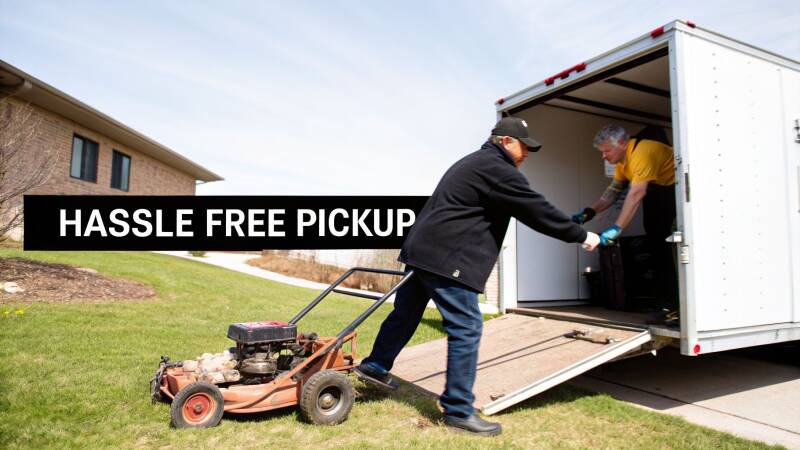
Let's be real for a moment. Draining flammable fluids, wrestling with greasy parts, and then trying to cram a heavy, awkward mower into your car isn’t anyone’s idea of a fun weekend project.
The do-it-yourself route is a messy one. You've got to find the right tools, figure out how to handle hazardous waste, and then burn your precious time driving to a proper recycling center. For busy homeowners in NY and CT, that’s a whole lot of hassle.
The One-Call Solution
This is exactly where a professional junk removal service like D&B Complete Home Services becomes a game-changer. Instead of you doing all the dirty work and heavy lifting, a trained team takes care of every single step.
You just make one phone call. That's it. A crew shows up, safely preps the mower for transport right there on-site, and loads it onto their truck. No need to get your hands dirty or second-guess whether you’re following all the local environmental rules.
The real value isn't just getting rid of the mower. It's the peace of mind knowing the job was handled safely, legally, and with a commitment to eco-friendly disposal from start to finish.
The team makes sure your old machine gets to the right local facilities for proper recycling, which takes all the guesswork and back-breaking labor off your plate.
Ultimately, choosing a professional service means you get your time back while still doing the right thing for the environment. Your old mower stays out of the landfill, and its valuable metals are recovered and reused—all without you lifting a finger. It's simply the most efficient and sensible way to handle lawn mower disposal.
Common Questions About Mower Recycling
Even after mapping out a plan, a few questions always seem to pop up when it's time to actually get rid of an old lawn mower. Here are the most common things we get asked by homeowners across NY and CT, along with some straight-to-the-point answers to help you wrap things up.
Can I Just Leave the Gas and Oil in It?
That’s a hard no. In fact, this is probably the most critical step in the entire process. No matter where it's headed—a scrap yard, the curb for town pickup, or onto our truck—the mower must be completely drained of all fuel and oil.
These fluids are considered hazardous waste. They’re a fire risk and a real threat to the environment if they leak. Scrap yards and recycling centers will turn you away on the spot if they find a mower that hasn't been properly prepped. It’s more than just a rule; it’s a safety and environmental necessity.
Do Scrap Yards Actually Pay for Old Lawn Mowers?
They do, but it’s best to keep your expectations in check. Scrap metal is bought by the pound, and your average push mower just doesn't have that much metal on it once you subtract the plastic housing, wheels, and engine components.
The payment will likely be small—maybe just enough to cover the gas you used to drive there. Think of it less as a payday and more as a way to guarantee that 95-98% of the metal gets properly recycled, which is the real win here.
What if My Old Mower Still Runs?
If you have a mower that still starts up and cuts grass, taking it to the scrap yard is the last thing you should do. The best option is to find it a new home.
You could sell it, pass it along to a friend or family member, or donate it. A local community garden, a church, or a non-profit that helps neighbors with yard work would probably be thrilled to take it off your hands. Extending the machine’s life is always the most eco-friendly choice.
How Much Does Professional Removal Cost?
The cost to have a professional haul away your old mower really depends on your location and the specific service. Usually, it's rolled into a minimum fee for a junk removal job.
Yes, there's a cost involved, but you're paying for convenience. A good service handles the heavy lifting, the transport, and makes sure every part is disposed of correctly, from the hazardous fluids to the scrap metal. For most people, that peace of mind is well worth the price. You can find more details in our other junk removal tips and resources.
Add comment
Comments