
Unsure what to do with unwanted furniture? Explore 10 practical options, from selling and donating to eco-friendly recycling and professional junk removal.
What to Do With Unwanted Furniture: 10 Practical Solutions for 2026
That old sofa collecting dust in the basement, the wobbly dresser in the guest room, or the dining set that no longer fits your style doesn't have to become a logistical nightmare. Every piece of unwanted furniture presents a decision point, an opportunity to reclaim space, earn cash, support a cause, or make an environmentally conscious choice. However, knowing what to do with unwanted furniture can feel overwhelming, with a dozen different paths to consider. Do you try to sell it online, find a local charity, or simply have it hauled away? The best answer depends on the item's condition, your timeline, and your personal priorities.
This guide is designed to eliminate the guesswork. We've compiled a comprehensive roundup of 10 practical, actionable solutions for rehoming, recycling, or disposing of your furniture. Instead of generic advice, we provide a clear roadmap to help you navigate your options efficiently. You will find step-by-step instructions for each method, from listing on Facebook Marketplace and working with consignment shops to connecting with specialized recycling programs and local community groups.
We'll break down the specific benefits and potential drawbacks of each approach, helping you weigh factors like convenience, financial return, and environmental impact. Whether you're a homeowner in the middle of a decluttering project, a property manager handling a unit turnover, or a real estate agent preparing a home for sale, this list provides the detailed insights you need. Let’s explore the smartest ways to give your old furniture a new life, turning a potential burden into a productive outcome.
- Local Donation Centers and Charities
Donating your gently used furniture to local nonprofit organizations is one of the most impactful and community-focused solutions for what to do with unwanted furniture. Established charities like Goodwill, The Salvation Army, and Habitat for Humanity ReStores have streamlined processes for accepting everything from sofas and dining sets to dressers and bed frames. This approach not only prevents bulky items from ending up in landfills but also directly supports vital community programs funded by the sale of your donated goods.
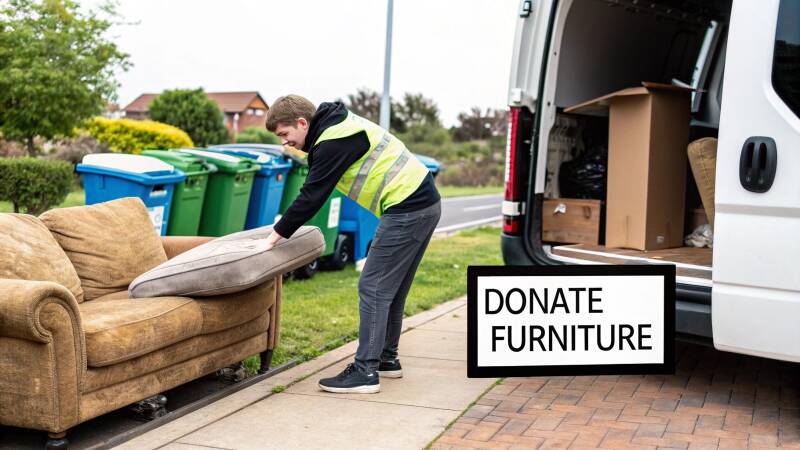
This method is ideal for furniture that is still in good, usable condition but no longer fits your space or style. Many of these organizations offer free pickup services for larger items, making the process incredibly convenient for homeowners, landlords, and real estate agents.
Why Choose Donation?
Choosing to donate offers a dual benefit: it's an environmentally responsible choice and a philanthropic one. Your old coffee table could become a centerpiece in a family's first home, and the proceeds could fund job training, housing assistance, or disaster relief. Plus, your donation is often tax-deductible, providing a small financial return for your generosity.
Actionable Tips for a Smooth Donation Process
To ensure your furniture finds a new home without any hitches, follow these practical steps:
- Confirm Acceptance Policies: Before scheduling, call your local center, like a Habitat for Humanity ReStore in Westchester or a Salvation Army in Dutchess County, to confirm they accept your specific type of furniture. Some may have restrictions on items like mattresses or large entertainment centers.
- Assess and Clean: Ensure items are in good structural condition, clean, and free from significant damage, stains, or pet hair. A quick wipe-down can make a big difference.
- Document for Your Records: Take clear photos of the items before they are picked up. This documentation is useful for your tax records.
- Schedule Strategically: Arrange for the pickup in advance, especially during busy seasons. If you're working with a professional service for a larger cleanout, coordinate schedules to ensure a seamless handoff.
- Get Your Receipt: Always request a donation receipt from the pickup crew. This is essential for claiming your tax deduction.
For more guidance on preparing items for removal, you can find helpful information in our junk removal tips and resources.
- Online Marketplace Selling (Facebook Marketplace, Craigslist, OfferUp)
Selling your furniture on digital platforms like Facebook Marketplace, Craigslist, and OfferUp is an effective way to recoup some of your initial investment while finding a new home for your items. These user-friendly marketplaces connect you directly with local buyers, allowing you to manage the entire sales process from your smartphone. From high-demand dining tables in Westchester to unique estate pieces in Putnam County, this method gives you control over pricing and negotiation for your unwanted furniture.

This option works best for furniture in good to excellent condition, especially for items with brand recognition, unique designs, or high-quality construction. It empowers homeowners and landlords to turn clutter into cash, reaching a broad, motivated audience looking for specific pieces without the retail price tag.
Why Choose Online Selling?
The primary advantage of selling online is the financial return. Instead of simply giving an item away, you can earn money that can be put toward new furniture or other projects. It also promotes sustainability by extending the lifecycle of your furniture and keeping it out of the waste stream. Successfully selling an item validates its value and ensures it goes to someone who genuinely wants it.
Actionable Tips for a Successful Sale
To maximize your chances of a quick and profitable sale, a well-crafted listing is key. Follow these steps for the best results:
- Take High-Quality Photos: Clean the furniture and photograph it in a well-lit space from multiple angles. Include shots of any brand labels, special features, and existing wear or damage.
- Write a Detailed Description: Be specific about dimensions, materials, brand, age, and condition. Honesty about any flaws builds trust with potential buyers and prevents issues during the pickup.
- Price Competitively: Research what similar items are selling for on the same platform in your area. Price your item realistically to attract immediate interest; slightly negotiable pricing can also speed up the sale.
- Ensure Safe Transactions: Arrange to meet buyers in a public place if possible for smaller items. For larger furniture pickups at your home, ensure you have someone with you and communicate clearly about pickup times.
- Coordinate a Smooth Handover: Once an item is sold, professional services can assist with the final removal if you are managing a larger cleanout, ensuring a seamless transition after the sale is complete.
- Estate Sale and Liquidation Services
When dealing with a large volume of furniture, especially during an estate settlement, significant downsizing, or a complete property clearance, professional estate sale and liquidation services offer a comprehensive solution. These companies specialize in appraising, organizing, marketing, and hosting sales events to efficiently convert an entire home's contents into cash. This approach is a strategic way to handle unwanted furniture, particularly when it includes valuable antiques, vintage pieces, or a full house of quality items.
This method is ideal for homeowners, estate executors, or real estate agents who lack the time or expertise to manage such a large-scale undertaking. From antique furniture collections in Connecticut homes to multi-room downsizing projects in Westchester, these services manage every detail, ensuring you get fair market value for your items without the associated stress and labor.
Why Choose Estate Sale Services?
Engaging a professional liquidator is about maximizing value and minimizing effort. These experts have established networks of buyers and the marketing savvy to attract serious collectors and the general public. They handle everything from pricing and staging to managing the sale days and processing payments, which is invaluable during sensitive times like settling a loved one's estate. It turns a daunting task into a manageable, professional process.
Actionable Tips for a Successful Estate Sale
To ensure your estate sale is profitable and runs smoothly, follow these practical steps:
- Research Local Companies: Vet estate sale companies with a strong local reputation. Look for positive reviews and check their experience in areas like Putnam County or Dutchess County.
- Compare Commission Structures: Interview at least three companies and get detailed quotes. Understand their commission fees, marketing charges, and any additional costs involved.
- Clarify Post-Sale Procedures: Ask what happens to unsold items. Many companies can arrange for donation or disposal, but it’s crucial to have a clear plan.
- Coordinate Final Cleanout: Plan for post-sale removal of any remaining debris or unsold goods. You can see how a professional cleanout transforms a space to prepare for the next steps.
- Document High-Value Pieces: Take clear photos and keep any appraisal documents for valuable furniture. This is important for both the sale and your records.
- Inquire About Hybrid Services: Some companies offer a combination of on-site sales, online auctions, and consignment, providing multiple avenues to sell different types of items.
- Furniture Consignment Shops
Selling your unwanted furniture through a local consignment shop offers a practical, hands-off approach to earning money from your high-quality pieces. Unlike selling directly, consignment stores handle the marketing, display, and final sale for you. They showcase your items in their showroom and, once sold, pay you a pre-agreed percentage of the final price, typically between 40-60%. This is an excellent solution for what to do with unwanted furniture that has significant resale value but you lack the time or platform to sell yourself.
This method is ideal for well-maintained, brand-name, or designer furniture that is stylish and in high demand. Areas with active resale markets, such as the consignment networks in Fairfield County, CT, or the specialty shops in Westchester County, provide a strong customer base for these items. Consignment is the perfect middle ground between donating for free and the effort of a private sale.
Why Choose Consignment?
Opting for consignment leverages the store's existing customer base and professional sales environment to get a better price for your items than a typical yard sale might. It removes the hassle of coordinating with individual buyers, managing listings, and negotiating prices. This is a strategic way to recoup some of your initial investment while ensuring your furniture goes to someone who appreciates its quality.
Actionable Tips for a Smooth Consignment Process
To maximize your chances of a successful sale and a good return, follow these practical steps:
- Research and Target the Right Shop: Identify stores that specialize in your furniture’s style, whether it's modern, antique, or traditional. A shop's aesthetic should align with your item to attract the right buyers.
- Prepare and Clean Your Pieces: Before bringing items in for consideration, clean them thoroughly. For wood furniture, a quick polish can make a significant difference. Upholstery should be vacuumed and spot-cleaned.
- Understand the Terms: Carefully read the consignment agreement. Pay close attention to the commission split, the length of the consignment period (e.g., 60-90 days), and what happens if the item doesn't sell.
- Get Everything in Writing: Always secure a signed consignment agreement that details all terms and lists each item you are leaving with the store.
- Clarify Logistics: Ask about the store’s policy on pickup and delivery. Some may offer a pickup service for a fee, while others require you to transport the items yourself.
- Furniture Recycling and Deconstruction Programs
When furniture is too damaged or worn for donation or resale, recycling is the most environmentally conscious solution for what to do with unwanted furniture. Specialized recycling centers and furniture deconstruction services dismantle pieces to their core components. Wood, metal, textiles, and foam are separated and processed, diverting tons of waste from landfills and transforming old materials into new products.
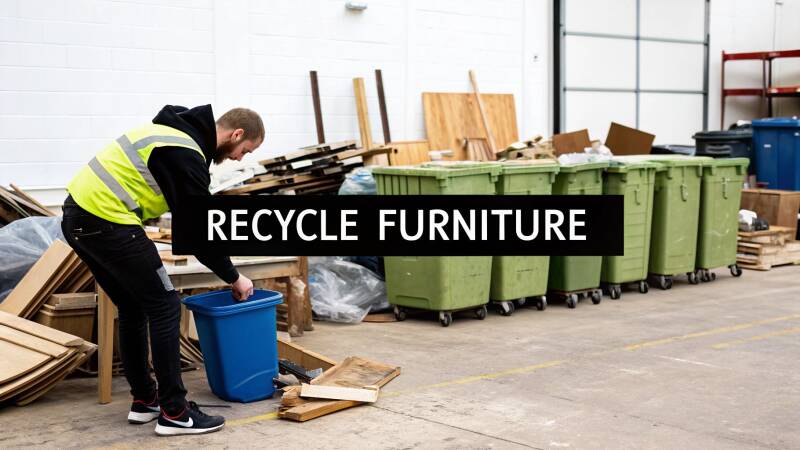
This method is ideal for items that have reached the true end of their functional life, such as a broken-down dresser, a heavily stained mattress, or a particleboard desk that has fallen apart. It aligns perfectly with a circular economy model, ensuring that valuable raw materials are recovered and reused, minimizing environmental impact.
Why Choose Recycling?
Opting for furniture recycling is a powerful statement of environmental responsibility. It directly combats the growing problem of landfill overflow, where bulky furniture takes up significant space and can release harmful chemicals as it slowly decomposes. This choice ensures that the materials from your old items are given a second life, supporting sustainability and reducing the demand for virgin resources.
Actionable Tips for a Smooth Recycling Process
To effectively recycle your furniture and ensure it is handled correctly, follow these practical steps:
- Research Local Programs: Contact your local municipal solid waste department in Putnam or Dutchess County to learn about their furniture recycling options. Resources like the New York State Department of Environmental Conservation or Connecticut's DEEP program can also provide guidance.
- Verify Facility Certification: Before dropping off items or hiring a service, confirm that the recycling facility is certified and operates legitimately to ensure proper material recovery.
- Coordinate Professional Hauling: For large or multiple items, a professional service can handle the logistics. We can transport your unwanted furniture directly to a certified recycling facility, ensuring it is processed correctly.
- Ask for Documentation: For business or personal records, ask the recycling facility about their material recovery statistics. This documentation can be valuable for corporate sustainability reporting or personal environmental tracking.
- Schedule Bulk Pickups: If you are managing a large-scale cleanout for a property or office, arrange for a bulk pickup to maximize efficiency and reduce transportation costs and emissions.
- Bulk Junk Removal Services (Like D&B Complete Home Services)
When you need a comprehensive, hands-off solution for what to do with unwanted furniture, professional junk removal companies provide an invaluable service. Firms like D&B Complete Home Services specialize in handling the entire process, from heavy lifting and hauling to responsible disposal. This option is the most convenient and efficient method for large quantities of furniture, bulky items, or when removal is part of a larger project like an estate cleanout or renovation.
This approach is perfect for situations where time is limited, the items are too heavy to move safely, or you need a guaranteed removal on a specific day. Professional teams are equipped to handle everything from single-piece pickups to clearing out entire properties, prioritizing donation and recycling to minimize landfill waste wherever possible.
Why Choose Professional Junk Removal?
Opting for a professional service like D&B Complete Home Services saves you significant time, labor, and logistical headaches. It eliminates the need to rent a truck, find help for heavy lifting, and locate proper disposal or recycling facilities. It’s a single-transaction solution that ensures your unwanted furniture is handled safely, efficiently, and with environmental responsibility in mind, making it ideal for property turnovers, downsizing, and post-demolition cleanups.
Actionable Tips for a Smooth Removal Process
To ensure a seamless experience with a bulk junk removal service, follow these practical steps:
- Schedule a Free Estimate: Contact a reputable company to get a clear, upfront estimate. This allows them to assess the volume and type of furniture to provide an accurate quote.
- Ask About Disposal Practices: Inquire about their eco-friendly policies. A responsible company will be transparent about their efforts to donate usable items and recycle materials like wood and metal.
- Combine Services for Efficiency: If you're also planning a demolition or cleanout, ask about bundling services. Combining furniture removal with other tasks can save time and money.
- Clarify What Can Be Taken: Confirm that the company can accept all your items. While most furniture is acceptable, there may be restrictions on hazardous materials.
- Prepare the Area: Ensure a clear path for the removal team to safely access and carry out the furniture. This helps speed up the process and prevents accidental damage to your home.
You can explore comprehensive options and schedule a pickup by learning more about professional junk removal services.
- Community Buy Nothing Groups and Free Groups
Gifting your unwanted furniture through a hyperlocal community group is a grassroots, highly personal way to ensure your items go directly to a neighbor who needs them. Platforms like the Buy Nothing Project, which has numerous chapters on Facebook, operate on a gift economy model. Members post items they no longer need, and others in the same small, defined neighborhood can request them at no cost. This approach fosters community connections and offers a direct, waste-free solution for what to do with unwanted furniture.
This method is perfect for furniture that is still functional but might not meet the strict condition requirements of larger charities. It allows you to find a home for a quirky side table or a slightly worn armchair, connecting directly with the person who will give it a second life in communities from White Plains to Putnam Valley.
Why Choose Community Gifting?
Choosing a Buy Nothing or Free group is about more than just getting rid of an item; it's about building community capital. You get the satisfaction of knowing your old bookshelf is now helping a local student organize their dorm room, or your spare patio set is being enjoyed by a family down the street. It is a powerful, hyper-local, and environmentally friendly alternative to disposal.
Actionable Tips for a Smooth Gifting Process
To successfully gift your furniture and build positive community relationships, follow these steps:
- Find Your Local Group: Search on Facebook for "[Your Town/Neighborhood] Buy Nothing" or "Free Stuff." Groups are active across Westchester, Dutchess, Putnam, and Orange counties, as well as Fairfield County, CT.
- Post Clear Photos and Details: Take well-lit pictures from multiple angles. Write an honest description, noting any minor flaws, and include dimensions to help members know if it will fit their space.
- Be Fair in Your Selection: If multiple people are interested, let the post "simmer" for a day to give everyone a chance to see it. You can choose a recipient randomly or based on their story.
- Coordinate a Safe Pickup: Arrange for a porch pickup or meet in a safe, public place if possible. Communicate clearly about pickup times to avoid no-shows.
- Engage with Your Community: Post a "gratitude" or "gifted" update once the item has been picked up. This completes the gift cycle and strengthens the group's community spirit.
- Specialized Furniture Retailers and Donation Programs
When upgrading your furniture, you can often solve the problem of what to do with unwanted furniture by leveraging programs offered directly by retailers. Many major brands, including IKEA, Ashley Furniture, and Wayfair, have established take-back, trade-in, or recycling initiatives. These programs conveniently bundle the removal of your old pieces with the delivery of your new ones, creating a seamless transition and promoting responsible disposal.
This bundled approach is perfect for homeowners replacing entire room sets or significant individual pieces. Instead of coordinating a separate donation or junk removal service, the retailer handles the logistics. Some retailers partner with charities to donate gently used items, while others work with specialized recyclers to break down materials, ensuring your old furniture doesn't end up in a landfill.
Why Choose Retailer Programs?
Opting for a retailer's take-back program simplifies the entire replacement process. It consolidates delivery and removal into a single event, saving you time and effort. Depending on the program, you might receive a discount on your new purchase or a gift card for your trade-in, adding a financial incentive to this eco-friendly option. It's a highly efficient solution for anyone looking to streamline their home furnishing update.
Actionable Tips for Using Retailer Programs
To make the most of these services, follow these practical steps:
- Inquire Early: When you start shopping, ask the salesperson about any available trade-in, take-back, or recycling programs. Retailers like IKEA and Ashley Furniture often have specific local initiatives in New York and Connecticut.
- Clarify Acceptance Rules: Confirm which items qualify. Some programs may only accept furniture from their own brand or have restrictions on the condition of the items.
- Understand the Value: If it's a trade-in program, be clear on the value you'll receive for your old furniture and how it will be applied to your new purchase.
- Coordinate the Timing: Schedule the pickup of your old furniture to coincide perfectly with the delivery of your new items to avoid being left without essential pieces like a sofa or bed.
- Prepare Your Items: Just like with any other pickup, ensure your old furniture is clean, empty, and easily accessible for the removal team.
- Upcycling and Furniture Restoration Services
Hiring a local artisan or restoration service offers a creative and sustainable solution for what to do with unwanted furniture, especially pieces with sentimental value or unique character. Skilled craftspeople, from upholsterers to woodworkers, can transform dated, worn, or damaged items into stunning, one-of-a-kind treasures. This approach not only breathes new life into your furniture but also adds a bespoke element to your home decor, turning a potential disposal problem into a design opportunity.
This method is perfect for high-quality or antique furniture that has seen better days but possesses "good bones." Instead of discarding a cherished family heirloom or a well-made vintage find, you can have it professionally restored or reimagined to fit your current style, preserving its history while enhancing its beauty and function.
Why Choose Upcycling or Restoration?
Opting for professional restoration is an investment in quality, sustainability, and personal style. It prevents perfectly good materials from entering the waste stream and allows you to customize a piece to your exact specifications. An old armchair can be reupholstered with modern fabric, or a scratched wooden dresser can be refinished to become a statement piece, often at a quality level that new furniture cannot match.
Actionable Tips for a Smooth Restoration Process
To ensure your furniture transformation is a success, follow these practical steps:
- Research Local Artisans: Look for reputable upholstery shops in Westchester or furniture restoration specialists in Dutchess County. Review their portfolios, read customer testimonials, and check their experience with your type of furniture.
- Get Detailed Quotes: Before committing, obtain written quotes from multiple craftspeople. Ensure the quote includes the cost of materials, labor, and a clear project timeline.
- Communicate Your Vision: Clearly discuss your design goals. Provide inspiration photos, fabric swatches, or paint colors to ensure the final product matches your expectations.
- Assess the Cost-Benefit: Carefully consider whether the restoration cost is justified. For a priceless family heirloom, the sentimental value may outweigh the expense, but for a standard piece, compare the cost to buying new.
- Document the Journey: Take "before" photos of the furniture. This not only creates a satisfying record of the transformation but is also useful for insurance and appraisal purposes.
- Institutional and Organization Partnerships (Schools, Nonprofits, Offices)
Forging direct partnerships with local institutions is a highly targeted and impactful solution for what to do with unwanted furniture. Instead of a general donation, this approach involves connecting with schools, smaller nonprofits, religious centers, and even startups that have specific needs. Your old office desks, chairs, and bookshelves can directly furnish a new classroom, a community center's program space, or a fledgling business's first workspace.
This method is perfect for individuals, landlords, and businesses with quality furniture that can serve a direct, functional purpose. It creates a powerful link between your items and a specific community need, ensuring they contribute to education, social programs, or local economic growth. Many organizations may lack the budget for new furnishings and would greatly appreciate such a direct contribution.
Why Choose Direct Partnerships?
Partnering directly with an organization provides a clear and tangible outcome for your donation. You know exactly where your furniture is going and how it will be used, whether it's helping students in a Westchester school or supporting a nonprofit's mission in Orange County. This path often allows for donating items in bulk, such as office or classroom sets, that larger donation centers may not be equipped to handle.
Actionable Tips for a Smooth Partnership Process
To ensure your furniture donation directly serves a community institution, follow these practical steps:
- Identify Potential Partners: Contact local school district facilities departments, nonprofit directors, or leaders at your local faith-based institution to inquire about their current furniture needs for offices, community halls, or program rooms.
- Reach Out with Specifics: When you connect, provide a clear list and photos of the furniture you have. This helps the organization quickly determine if the items match their requirements.
- Coordinate Logistics: Discuss pickup or delivery logistics. For larger quantities of furniture from an office cleanout or an estate, a professional service can coordinate the removal and delivery directly to the organization's location.
- Request Documentation: Ask for a formal acknowledgment letter from the organization for your records. This letter serves as your receipt for tax deduction purposes.
- Build Lasting Relationships: This initial donation can be the start of a long-term partnership. Ask the organization if they would like to be kept in mind for future furniture availability.
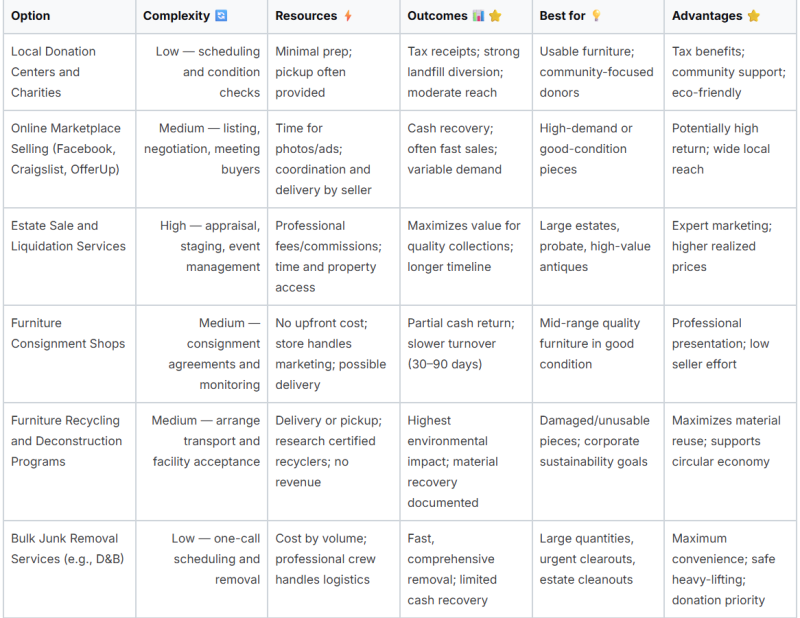
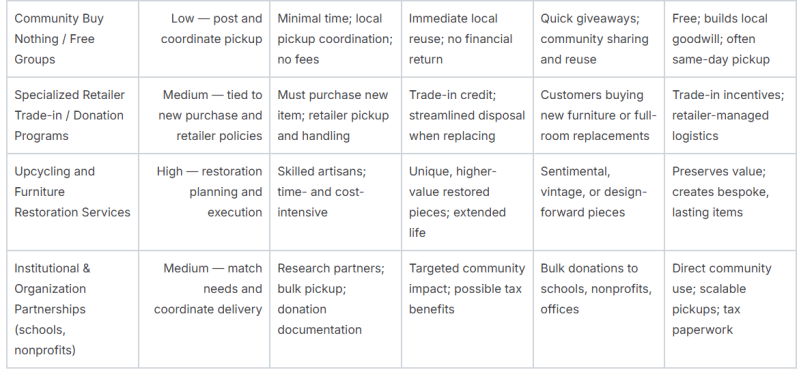
Unwanted Furniture: 10 Options Comparison
Making the Right Choice for Your Unwanted Furniture
Navigating the landscape of what to do with unwanted furniture can feel overwhelming, but as we've explored, you have a powerful array of options at your disposal. The journey from a cluttered room to a clear, functional space doesn't have to end with a trip to the landfill. By making a conscious decision, you can turn an old piece of furniture into a financial gain, a charitable contribution, or a repurposed treasure. The key is to align your choice with your primary goal: speed, profit, or sustainability.
The path you choose is a reflection of your priorities. A quick assessment of your furniture's condition, your available time, and your desired outcome will illuminate the best route forward. Each option we've covered offers a unique set of benefits, transforming what seems like a simple disposal task into an opportunity for community engagement, creative expression, or responsible stewardship.
Recapping Your Options: A Strategic Overview
Let's distill the core takeaways to help you make a confident decision. Your unwanted furniture is not just an object taking up space; it's an asset with potential value waiting to be unlocked.
- For Maximizing Financial Return: If your furniture is in good to excellent condition, platforms like Facebook Marketplace and consignment shops are your go-to solutions. These avenues require more effort in terms of photography, communication, and logistics, but they offer the highest potential for turning your unwanted items into cash. Estate sale services are a fantastic option for liquidating a large volume of high-quality items with professional assistance.
- For Prioritizing Community and Impact: Donating to local charities or offering items on Community Buy Nothing groups provides a direct and meaningful way to support your neighbors. While the financial return is a tax deduction rather than cash in hand, the social and emotional rewards are immense. You're not just clearing a room; you're furnishing a home for a family in need or helping a nonprofit achieve its mission.
- For Environmental Responsibility: When a piece is past its prime, furniture recycling programs and upcycling projects are the most eco-conscious choices. Deconstructing an item for its raw materials-wood, metal, and fabric-prevents it from occupying landfill space for centuries. This path requires a bit more research and hands-on effort but stands as the most sustainable long-term solution.
- For Ultimate Convenience and Efficiency: For homeowners, property managers, and businesses facing tight deadlines, large volumes of furniture, or items that are difficult to move, professional bulk junk removal services are invaluable. This is the most straightforward, stress-free method for reclaiming your space. It's the ideal choice when time and labor are your most precious resources.
Your Actionable Next Steps
Before you do anything else, take a moment to evaluate your situation using the simple checklist we provided earlier. Determine the condition of your furniture, decide on your primary objective, and set a realistic timeline. This initial planning step will save you countless hours and prevent frustration. Once you know your goal, you can confidently pursue the corresponding path, whether it's snapping photos for an online listing or scheduling a pickup.
Ultimately, knowing what to do with unwanted furniture is about more than just decluttering. It's about making thoughtful, informed choices that benefit your wallet, your community, and the planet. By seeing the potential in every table, chair, and cabinet, you transform a chore into a constructive action. You are not just getting rid of something; you are actively participating in a cycle of reuse, renewal, and responsibility.
When your project involves multiple pieces, a full estate cleanout, or simply the desire for a fast, professional solution, our team is ready to help. D&B Complete Home Services INC. specializes in efficient and responsible furniture removal, ensuring your items are donated or recycled whenever possible. Let us handle the heavy lifting so you can focus on enjoying your newly reclaimed space. Contact us today for a free, no-obligation estimate!
Add comment
Comments