Renting dumpsters for junk removal? This guide explains sizes, costs, and rules in NY & CT. Find the right dumpster for your project and avoid common mistakes.
A Guide to Dumpsters for Junk Removal
When you're staring down a mountain of junk, a dumpster is often the simplest, most effective way to clear it out. Trying to tackle a big cleanout with countless pickup truck runs to the dump is like trying to empty a swimming pool with a bucket. A dumpster rental is your high-capacity pump, giving you one central spot to toss everything.
Why a Dumpster Is Your Best Bet for Junk Removal
Think about a major home renovation, an estate cleanout, or even just a massive spring cleaning project. What do they all have in common? Debris—and a whole lot of it. Renting a dumpster gives you an easy, on-site solution that puts you in the driver's seat, turning a chaotic mess into a manageable project.
It all boils down to efficiency. Instead of letting junk pile up in your yard or garage, creating a hazard and an eyesore, every single piece has a place to go. This keeps your property safer and more organized, and honestly, it saves you a ton of time and back-breaking work.
The Power of On-Site Convenience
Having a dumpster right there on your property just makes sense. You can work at your own pace without feeling like you're on the clock.
- Total Control Over Your Timeline: Unlike a junk removal crew that comes for a single, scheduled pickup, a dumpster is yours for the entire rental period. This flexibility is perfect for projects that might take a weekend or even a full week to get through.
- Less Labor, No Travel: A single dumpster eliminates dozens of exhausting trips to the local landfill or transfer station. You load it up once, and we handle the rest. It's that simple.
- Cost-Effective for Big Jobs: When you have a large volume of stuff to get rid of, a dumpster rental is almost always more budget-friendly than full-service junk removal, where you're paying a premium for labor.
A dumpster rental simplifies the whole process. You fill it as you work, and when you're finished, the entire problem gets hauled away in one clean sweep.
A Local Solution for NY and CT Homeowners
For homeowners here in the Hudson Valley and Fairfield County, the process is even more straightforward. We understand the lay of the land, from the rolling hills of Dutchess County to the busy streets of Westchester. We'll help you get the right-sized container and manage all the logistics, making sure your project goes off without a hitch.
By renting a dumpster, you’re not just clearing out clutter—you’re choosing a smarter, more organized way to handle it. To get a head start on planning your project, check out these helpful junk removal tips and resources for more guidance.
Decoding Dumpster Sizes for Your Project
Choosing the right dumpster for junk removal can feel like a shot in the dark. It’s a classic Goldilocks problem: pick one that’s too small, and you’re stuck ordering a second one. Pick one that’s too big, and you’re paying for empty air. The secret is to stop thinking in abstract terms like “cubic yards” and start picturing what each container can actually hold.
A dumpster size isn't just a random number; it's a capacity designed for a specific type of job. By matching your project to the right size from the start, you set yourself up for a smooth, cost-effective cleanup without any last-minute surprises.
The 10-Yard Dumpster: Small But Mighty
Think of a 10-yard dumpster as the perfect entry point for those smaller, more focused projects. It’s compact enough to fit neatly into most driveways but packs a surprising punch for its size.
So, how much is 10 cubic yards? The easiest way to picture it is about four standard pickup truck beds filled to the brim. This makes it the go-to choice when you have a concentrated amount of junk to get rid of.
- Single-Room Renovations: Perfect for tearing out the drywall, old flooring, and fixtures from a bathroom or bedroom remodel.
- Garage or Basement Cleanouts: Easily swallows up old boxes, broken shelving, and years of clutter from a single space.
- Yard Debris Removal: A great fit for getting rid of shrubs, small branches, and other organic waste after a big landscaping weekend.
The 20-Yard Dumpster: The Versatile Workhorse
Stepping up to a 20-yard dumpster doubles your capacity, making it one of the most popular and versatile sizes for all kinds of residential projects. This time, you can imagine it holding approximately eight pickup truck loads of junk.
This size hits that sweet spot between capacity and footprint. It gives you enough room for a serious cleanout without completely taking over your property, making it the workhorse of the dumpster world.
A 20-yard dumpster is often the "just right" solution for homeowners. It’s large enough to handle the debris from an entire kitchen gutting or a multi-room decluttering project, but still manageable for most residential driveways in areas like Westchester or Putnam County.
This diagram helps visualize why a dumpster is such a great tool for efficient junk removal, leading to savings and more control over your project.
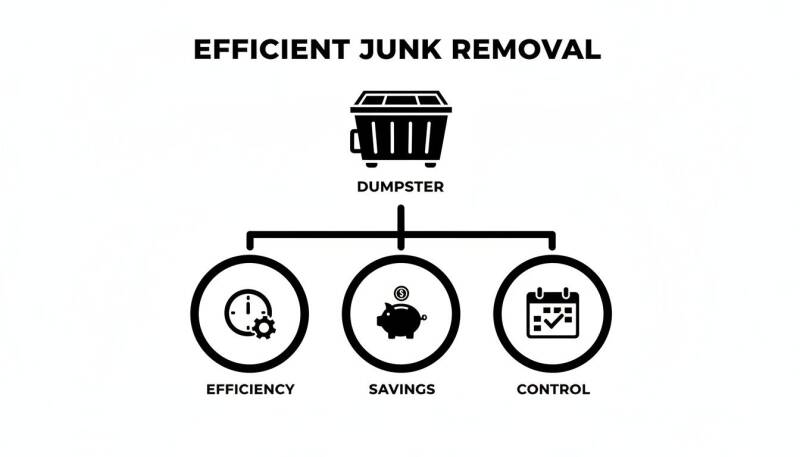
As you can see, having one central place for all the waste makes the whole process faster and more organized. That efficiency translates directly into cost savings and lets you stay in charge of your cleanup schedule.
The 30-Yard Dumpster: For Major Undertakings
When your project is a truly massive undertaking, the 30-yard dumpster is what you need. This is a serious container built for major construction, demolition, and whole-house clear-outs. To put its size into perspective, it holds the equivalent of 12 pickup truck beds.
Given its large footprint, this one is best suited for big properties or commercial job sites where you have plenty of room to maneuver. You'll want to call in the 30-yarder for projects like:
- Full Home Renovations: Big enough to hold materials from multiple rooms at once, including walls, windows, and old siding.
- Large-Scale Construction Debris: The industry standard for new construction projects or significant home additions.
- Estate or Hoarding Cleanouts: Provides the sheer volume needed to clear out an entire property’s contents in one go.
Managing this scale of waste is more important than ever. The demand for professional waste management is growing, and roll-off dumpsters—which make up 60.0% of the market—are the top choice for heavy-duty jobs like construction debris and eviction cleanouts. If you're interested in the trends, you can read more about the growing demand for professional waste disposal solutions.
Matching Dumpster Size to Your Junk Removal Project
Still trying to decide? This quick-reference table should help you match the right dumpster size to your job by connecting the abstract numbers to real-world projects you might be facing right here in our area.
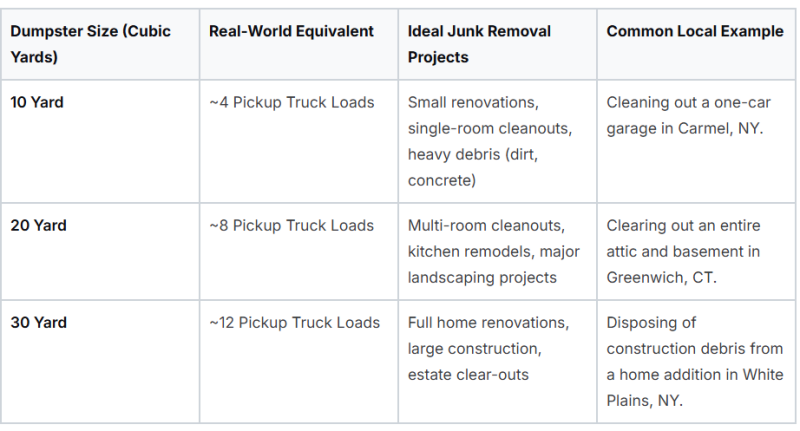
Ultimately, picking the right size comes down to honestly assessing the scope of your project. It's always better to have a little extra room than not enough.
The Real Cost of Renting a Dumpster
Figuring out the price of a dumpster isn't as simple as looking up a single number. The final cost is more of a recipe, with several key ingredients that all contribute to the final bill. To budget accurately, you need to look past the sticker price and understand exactly what you're paying for.
The two biggest factors, without a doubt, are the dumpster's size and how long you'll have it. A small 10-yard dumpster for a quick weekend cleanout is naturally going to cost less than a massive 30-yard beast you need for a two-week construction project. It’s a lot like booking a hotel room—the size of the suite and the length of your stay are what drive the price.
What Shapes Your Final Bill
Beyond just size and time, a few other variables play a huge role in what you’ll actually spend. Each one adds a layer to your final cost, which is why getting a transparent, all-in quote from the get-go is so important.
- Weight Limits: Every dumpster comes with a specific weight allowance. If the junk you toss in goes over that limit, you’ll get hit with overage fees, which are charged by the ton. Be careful with heavy materials like concrete, roof shingles, or dense, wet soil—that weight can add up fast.
- Type of Debris: What you’re throwing away matters. General household junk is pretty standard, but getting rid of construction materials or heavy stuff like dirt and concrete can sometimes have different pricing due to how they need to be handled at the landfill.
- Your Location: Where your project is located directly impacts the cost. Things like local landfill fees, the price of fuel for delivery and pickup, and even regional demand all get factored in. A rental in a more rural part of Dutchess County might be priced differently than one in a busy Fairfield County neighborhood.
The national average cost for a dumpster rental hovers around $654, but it’s a wide range, from as low as $390 to over $1,500. Your final price is a unique calculation based on these key factors, so an upfront, all-inclusive quote is the only way to avoid surprises.
Real-World Pricing Scenarios
To see how all these pieces fit together, let's look at a couple of common projects.
Scenario 1: Weekend Yard Cleanup in Dutchess County, NY
A homeowner grabs a 10-yard dumpster for three days to get rid of old shrubs, branches, and a bit of soil. The project is short and the dumpster is small, so the base rate is low. But that soil is heavy, so they’ll need to watch the weight to make sure they don’t get dinged with overage charges.
Scenario 2: Two-Week Renovation in Fairfield County, CT
A contractor rents a 20-yard dumpster for a 14-day kitchen gut. The longer rental period and bigger size bump up the base cost. The debris itself—drywall, old cabinets, flooring—is bulky but not incredibly heavy, making it easier to stay within the weight allowance.
As you can see, your project’s specific needs create a unique price tag. A good company will walk you through these variables to give you a clear, itemized quote. There's a reason the dumpster rental industry continues to grow; it fills a consistent need for both homeowners and pros. In fact, industry revenue in the U.S. has climbed to $654.0 million, with a 7.2% jump expected in 2025 alone, largely driven by construction and housing projects. You can check out more industry growth insights on IBISWorld.
Avoiding Hidden Fees and Overage Charges
The most common surprise on a final bill comes from fees you weren't expecting. A trustworthy dumpster rental service will be transparent about these potential costs right from the start, but it never hurts to ask directly.
Here are the usual suspects to watch for:
- Weight Overage Fees: The classic. You’ll be charged per ton for any weight that exceeds what’s in your agreement.
- Rental Extension Fees: Need the dumpster longer than planned? You’ll likely pay a daily or weekly fee to extend the rental.
- Contamination Fees: This happens if you toss in prohibited materials like hazardous waste, tires, or electronics.
- Trip Fees: A driver might charge this if they can't deliver or pick up the dumpster because something is blocking access.
When you understand these factors, you can budget for your dumpsters for junk removal project without any guesswork. A clear, all-inclusive quote from a reputable provider usually proves that renting a dumpster is far more cost-effective than making endless, time-sucking trips to the dump on your own.
Navigating Local Permits and Placement Rules
So, you've figured out what size dumpster you need. Great! But that's only half the job. Now you have to decide where to put it, and that's a bigger deal than most people realize. Where you place that dumpster isn't just about convenience—it's about following local rules that could land you with a hefty fine if you get it wrong.
Thinking this through before the truck shows up is the key to a smooth, headache-free project. The first question to ask yourself is simple: Is this thing going on my property or on the street? The answer changes everything.
Private Property Versus Public Streets
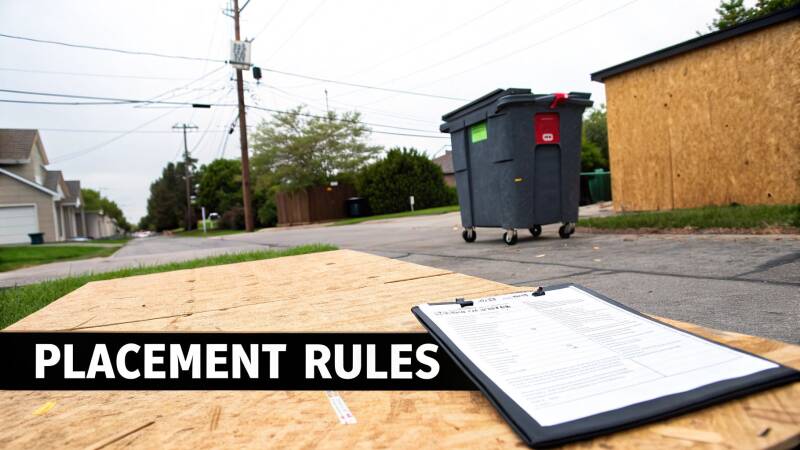
Let’s start with the easy option. Dropping a dumpster in your own driveway is almost always the simplest way to go. Because it's your private property, you generally do not need a permit. This is why it's the go-to choice for most home cleanouts and renovations; it saves you a trip to town hall and keeps the public way clear.
But what if you don't have a driveway? Or if it's too short, steep, or already packed with cars? You might have to place the dumpster on the street. This is where the red tape comes in. Putting a container on a public road, sidewalk, or any other city-owned land is a different story and almost always requires a permit from your local government.
Here's the golden rule to remember: Your Driveway = No Permit. Public Street = Permit Required. Trying to skip this step is a bad idea. If you get caught without a permit, you could face fines and be forced to move the dumpster immediately, throwing your entire project into chaos.
Securing a Dumpster Permit in NY and CT
If a street placement is your only choice, your first call should be to your local municipality's building department or public works office. Be warned: the rules can be wildly different from one town to the next, even within the same county like Westchester or Fairfield.
Don't wait until the last minute. Getting approval can take days, sometimes even weeks. Here’s a general idea of what they'll ask for:
- A Completed Application: A standard form with your address, the dumpster company’s info, and how long you plan to have it.
- A Site Plan: This doesn't have to be fancy. A simple sketch showing exactly where on the street the dumpster will be is usually enough.
- Proof of Insurance: The town will want to see that your dumpster rental provider is properly insured.
- A Permit Fee: Most towns charge for permits, with fees typically ranging from $25 to over $100.
Seriously, get a head start on this. It’s the one thing that can really hold up your project.
Pro Tips for a Safe and Smooth Placement
Once you've handled the paperwork, a little bit of prep work at your home goes a long way in preventing damage. The trucks delivering these dumpsters for junk removal are incredibly heavy, and the steel container itself can easily gouge or crack surfaces if you’re not careful.
Follow these simple steps for a placement that won't leave a mark:
- Protect Your Driveway: Get some large sheets of plywood or a few thick wooden planks and lay them down where the dumpster will sit. This simple trick helps distribute the weight evenly and shields your asphalt or concrete from getting torn up.
- Clear the Area: Make sure the drop-off zone is completely free of cars, bikes, tools, or anything else. These delivery trucks need a surprisingly large amount of room to back in and safely lower the container.
- Look Up: Don't forget to check for low-hanging tree branches or overhead power lines. The truck's hydraulic arm needs a lot of vertical space. A good rule of thumb is to have at least 22 feet of clear overhead space.
- Communicate with the Driver: Be crystal clear with the rental company about where you want the dumpster. If possible, be there for the delivery to point out the exact spot.
By sorting out the permits and prepping your site ahead of time, you can ensure your junk removal project gets started without a single hitch.
What You Can and Cannot Throw Away
Think of a rental dumpster as your project's workhorse—it's built to handle the heavy lifting of most junk removal jobs. But just like you wouldn't use a hammer to turn a screw, a dumpster has its limits. It’s designed for general junk, household clutter, and construction debris, not for everything under the sun.
Knowing the rules isn't just about avoiding extra fees from the rental company. It's about safety and responsibility. Tossing the wrong thing in the bin can lead to serious problems, like hazardous materials seeping into the ground or causing fires at the transfer station. This is why disposal regulations are taken so seriously.
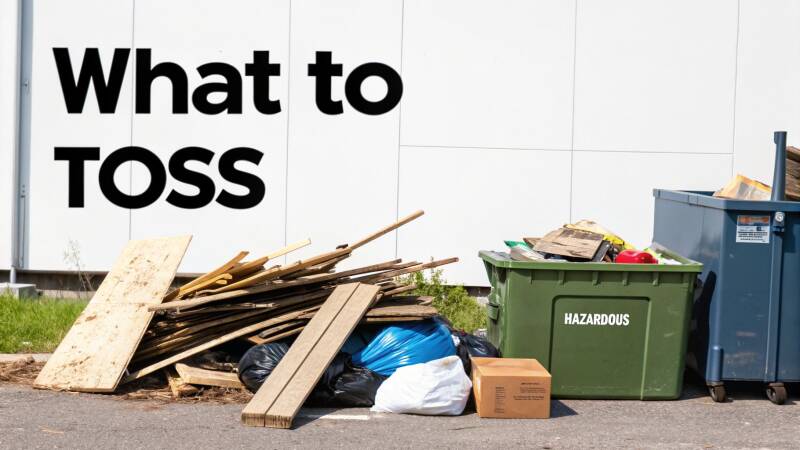
What Can Go in the Dumpster?
Let's start with the easy part. For most home cleanouts or renovation projects, the bulk of what you're getting rid of is perfectly fine to toss in.
- General Household Junk: This is your classic attic, basement, or garage clutter. Think old furniture (couches, tables, chairs), mattresses, worn-out carpets, toys, and boxes of unwanted stuff.
- Construction Debris: If you're remodeling, materials like drywall, wood scraps, flooring, roofing shingles, and old siding are generally good to go.
- Yard Waste: Most dumpsters can take branches, leaves, grass clippings, and small shrubs. Just remember, this stuff can get surprisingly heavy, especially when it’s wet.
- Appliances: Stoves, washers, and dryers are usually fine. But for items like refrigerators or air conditioners, you must have a professional drain all hazardous fluids (like Freon) beforehand.
The flexibility to handle this wide range of materials is what makes dumpsters for junk removal such a go-to solution for just about any big cleanup.
What Stays Out of the Dumpster?
Now for the critical list—the items that should never go into a rental dumpster. These materials are considered hazardous and require special disposal to protect our environment and public health.
- Hazardous Waste: This is a big category. It includes things like paint, stains, solvents, pesticides, motor oil, and antifreeze.
- Electronics (E-Waste): TVs, computers, printers, and phones are filled with heavy metals like lead and mercury. They need to be recycled properly, not sent to a landfill.
- Tires & Batteries: Car batteries and old tires are banned from landfills in most places and must be recycled at designated facilities.
- Flammable Items: This is a major safety risk. Never toss propane tanks, gasoline, kerosene, or other combustible materials.
- Asbestos: If you suspect you have asbestos, stop. This material is a known carcinogen and requires certified professionals for removal and disposal.
Mixing prohibited items with your other junk creates what's known in the industry as a "contaminated load." This guarantees you'll face extra fees and defeats the purpose of responsible waste management. Always keep these items separate.
So, what do you do with all this off-limits stuff? Most towns and counties in New York and Connecticut offer clear solutions, from municipal recycling centers to special household hazardous waste collection days. For trickier items like old mowers or weed whackers, you can find specific instructions. Check out our guide on how to dispose of old lawn equipment to make sure you’re doing it right.
Your Checklist for Hiring a Dumpster Service
Picking the right company for your junk removal project is just as crucial as choosing the right dumpster size. Let's be honest, not all providers are created equal. A great partner makes your project feel effortless, while a sketchy one can turn it into a nightmare of hidden fees and headaches.
To make sure you have a smooth experience, you need to do a little homework first. Think of this checklist as your guide to asking the right questions and spotting a reliable, professional partner who will actually get the job done right.
Verify Licensing and Insurance
First thing's first—this one is non-negotiable. Any legitimate company you work with must be fully licensed to operate in your state and carry comprehensive insurance. This is your safety net. It protects you from liability if something gets damaged on your property during drop-off or pickup.
Ask them straight up: "Are you fully licensed and insured to operate in New York (or Connecticut)?" A pro will have this information ready without any hesitation. If they dodge the question or can't provide proof, that's a massive red flag. Walk away.
Confirm Transparent Pricing
The price you’re quoted should be the price you pay. Period. Unfortunately, a common trick in this industry is to tack on hidden fees that inflate the final bill. Your mission is to get a clear, all-inclusive quote that covers everything from start to finish.
Before you agree to anything, make sure you understand the full cost structure. A trustworthy provider will explain every potential charge upfront, ensuring there are no surprises on your final invoice. This is the hallmark of a company that values customer trust.
Use these questions to get to the bottom of their pricing:
- What is the total cost including delivery, pickup, and landfill fees?
- What is the weight allowance, and what are the overage fees per ton if I go over?
- Are there any extra charges for certain items or if I need to extend the rental?
Inquire About Service Scope and Flexibility
Sometimes, you need more than just a metal box dropped in your driveway. A company that offers more than one solution can be a lifesaver and a great partner for future projects. It's also incredibly important to know how they handle scheduling changes, because let's face it, projects rarely go exactly according to plan.
Get a feel for their capabilities by asking about their services and policies:
- Scheduling: How much lead time do you need for delivery? What’s your policy if I need to keep the dumpster a few extra days?
- Additional Services: Do you also offer full-service junk removal if I have items I can’t lift myself? Do you handle small demolition jobs?
A company with a full suite of options, like the dumpsters for junk removal and full-service solutions we offer in our guide to local junk removal services, is usually better prepared to handle whatever your project throws at them.
Discuss Recycling and Disposal Policies
Finally, ask them what happens to your junk after it leaves your property. A responsible company doesn’t just make a beeline for the landfill. They take the time to sort materials for recycling and pull out items that can be donated. This eco-friendly approach is better for the environment and our community.
Asking about their disposal process shows you’re a conscientious customer and helps you find a company that shares those values. With this checklist in hand, you can confidently pick a dumpster service that is professional, transparent, and ready to tackle the real-world demands of your project.
Common Dumpster Rental Questions Answered
Even when you've got the size and placement figured out, real-world questions always seem to pop up during a junk removal project. Getting some clear answers beforehand can save you a ton of time, money, and headaches. Let's walk through a few of the most common things people ask when renting a dumpster.
How Much Space Does the Delivery Truck Need?
This is a big one, and it’s critical for a smooth delivery. The roll-off trucks that bring these dumpsters are massive and need a surprising amount of room to maneuver. As a good rule of thumb, you’ll want to have at least 60 feet of straight, clear space in front of wherever you want the dumpster placed.
The path to that spot—like your driveway—needs to be at least 12 feet wide. Just as important is looking up; you'll need about 22 feet of vertical clearance. Before the truck arrives, make sure to check for any low-hanging tree branches or overhead utility wires. It's also essential to move any cars, basketball hoops, or other potential obstacles out of the way.
What Happens If I Need the Dumpster Longer?
Let's face it, projects rarely stick to a perfect schedule. If you find yourself needing more time, the best thing you can do is call the rental company as soon as you know, preferably before the original pickup date.
Most companies are pretty flexible and can work with you. Here’s what you can generally expect:
- Extension Fees: You'll likely be charged a flat daily or weekly rate for every extra day you have the container.
- Scheduling: The more notice you give, the easier it is for them to simply adjust their pickup schedule without creating conflicts.
The key here is proactive communication. Waiting until the driver shows up to ask for an extension can cause logistical nightmares and might even lead to extra trip fees. A quick phone call is all it takes to keep your project moving smoothly.
Can I Mix Different Types of Debris?
For the most part, yes you can. The standard rental is for "mixed debris," which means you can throw in a combination of general household junk, construction scraps, and yard waste. This is one of the biggest conveniences of using dumpsters for junk removal—it really simplifies the cleanout.
But there are some important exceptions. If you're getting rid of extremely heavy materials like concrete, asphalt, or dirt, you'll probably need a special "heavy debris" dumpster. These materials are incredibly dense, can easily push a standard container over its weight limit, and are often recycled separately. Always double-check with your provider if you're dealing with large amounts of heavy stuff.
Ready to tackle your project with confidence? The team at D&B Complete Home Services INC. provides clear answers and reliable dumpster rentals to make your junk removal process simple and efficient. Visit us online to get a quote and schedule your delivery today!
Add comment
Comments