Tired of the clutter? Learn how to get rid of junk with practical sorting methods, smart disposal options, and advice on when to call in the pros.
How to Get Rid of Junk A Practical Guide to Reclaiming Your Space
To get rid of junk, the first step is always the same: sort everything into four piles—Keep, Donate/Sell, Recycle, and Dispose. Breaking down a massive project like this into smaller, more manageable chunks is the key to turning a cluttered space back into a functional one.
Confronting Your Clutter and Making a Plan
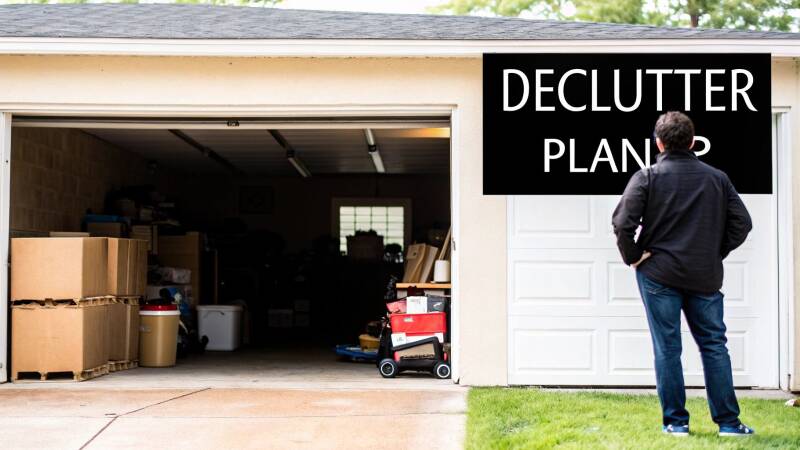
Let’s be honest, staring into a garage or basement overflowing with years of accumulated stuff can feel completely paralyzing. That initial wave of "where do I even start?" is often the biggest hurdle. The trick is to reframe it. Instead of seeing a mountain of junk, think of it as reclaiming your home and your peace of mind.
The first real decision you have to make is whether this is a DIY job or if it's time to call in the pros. There’s no right or wrong answer, but understanding what you stand to gain from a clutter-free space can help you make the call.
The Real Benefits of a Clean Space
Getting rid of junk is about so much more than just looks; it has a direct, positive impact on your well-being and how your home actually works for you. The effort is absolutely worth it when you consider the real-world advantages.
- Less Stress, More Calm: It's no secret that a cluttered home can make you feel stressed and anxious. When you clear out the excess, you’re creating a more restorative and relaxing atmosphere to live in.
- Reclaiming Your Square Footage: Imagine that garage packed with boxes transformed into a workshop. That spare room buried under old furniture could become a home gym or an office. You're not just removing junk—you're literally gaining usable living space.
- A Safer Home Environment: Let’s face it, piles of clutter are tripping hazards. They can also pose fire risks and become hiding spots for pests. A thorough cleanout makes your home safer for you and your family.
Taking control of your clutter is one of the most effective ways to simplify your life. The visual chaos of too much stuff directly translates to mental noise.
Understanding the Scale of the Problem
This isn't just a personal battle; it's a national one. The United States generates a staggering 951 kilograms of municipal solid waste per person each year—the highest among all developed nations. It’s a crisis that has led to nearly half of all our trash ending up in landfills. If you're curious, you can learn more about how the U.S. compares in the 2025 Global Waste Index.
This bigger picture makes your personal decision to handle junk responsibly even more meaningful. When you take the time to donate, recycle, and properly dispose of things, you're becoming part of the solution. The visual transformation is just the icing on the cake, but it's a powerful motivator. Just take a look at these before-and-after junk removal projects to see the incredible difference it can make.
Creating Your Sorting System For An Efficient Cleanout
The secret to a successful cleanout, without the burnout, is having a solid game plan. Instead of making a thousand tiny, exhausting decisions as you go, you make one big one upfront: how you're going to sort everything. This simple shift turns a chaotic mess into a straightforward process, helping you build momentum right from the start.
We're going to use a proven four-category method that completely removes the guesswork. Every single item you touch will go into one of four piles: Keep, Donate/Sell, Recycle, or Dispose. By setting up physical zones for each category before you even start, you're basically creating an assembly line for your clutter.
Your Four-Box Sorting System
To make this sorting process as seamless as possible, grab four large boxes, some hefty contractor bags, or even just stake out four corners of the room with clearly marked signs. This physical separation is crucial—it keeps your piles from mysteriously merging back into one giant heap of indecision.
This quick-reference table is your guide. Use it to categorize items quickly and keep things moving.
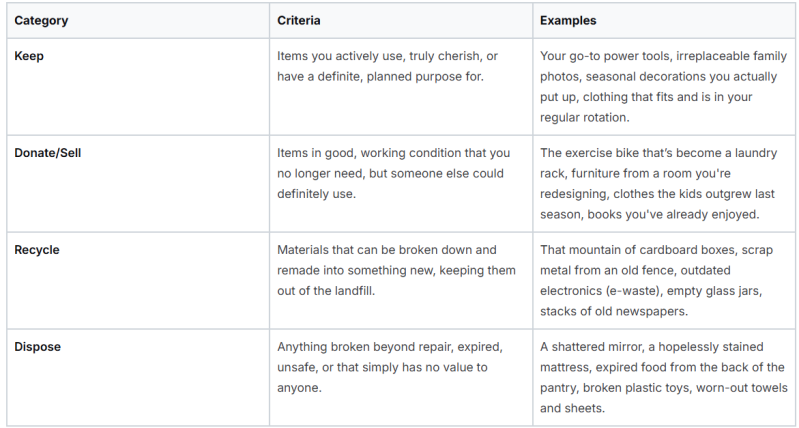
Think of this table as your cheat sheet. When you're standing there holding something and feeling stuck, just glance at the criteria. The goal here is speed and confidence.
Defining Your "Keep" Pile Without The Guilt
Let's be honest, the "Keep" pile is where most cleanouts stall. We get paralyzed by the classic "what if I need this someday?" To break that cycle, you need to ask yourself better, more pointed questions.
- When was the last time I actually used this? If it’s been more than a year (and it's not a holiday decoration), you need a very good reason to keep it.
- Do I own something else that does the same job? You probably don’t need three blenders or four nearly identical black sweaters. Keep the best, ditch the rest.
- Does this fit the life I have now, or the life I used to have? That old hockey gear from a decade ago or the professional wardrobe from a job you left five years back are prime candidates to go.
The most effective way to declutter is to be brutally honest about what serves a purpose in your life today. Holding onto things "just in case" is the very definition of clutter.
This isn't about minimalism or getting rid of everything you love. It's about being intentional. If that collection of vintage vinyl brings you genuine joy, it’s earned its spot. But if an item just brings on a wave of guilt or obligation, it's time to let it go.
Setting Up For Success
Before you dive in, get your sorting station ready. Pick an open space—a cleared-out corner of the garage, the driveway, or a spare room will do. Label your boxes, bins, or tarps with big, bold letters: KEEP, DONATE/SELL, RECYCLE, DISPOSE.
As you tackle an area, bring one item at a time to your station. Make an instant decision and put it in its designated pile. This single step prevents the common mistake of just shuffling junk from one corner of the room to another. By physically moving items into their final categories, you make your progress real and visible, which is incredibly motivating. This system is the engine that will power your entire project.
What's the Right Way to Get Rid of Your Junk?
Alright, you've conquered the hard part and sorted everything into piles. Now, how do you actually make it all go away? This is where you shift from a sorting mindset to a logistics one. Your "Donate," "Recycle," and "Dispose" piles each have their own best exit strategy. Getting this right means your cleanout will be efficient, affordable, and as green as possible.
Honestly, this part of the process is where most cleanouts either succeed or stall out. It all comes down to a series of simple decisions for each item you've decided to part with.
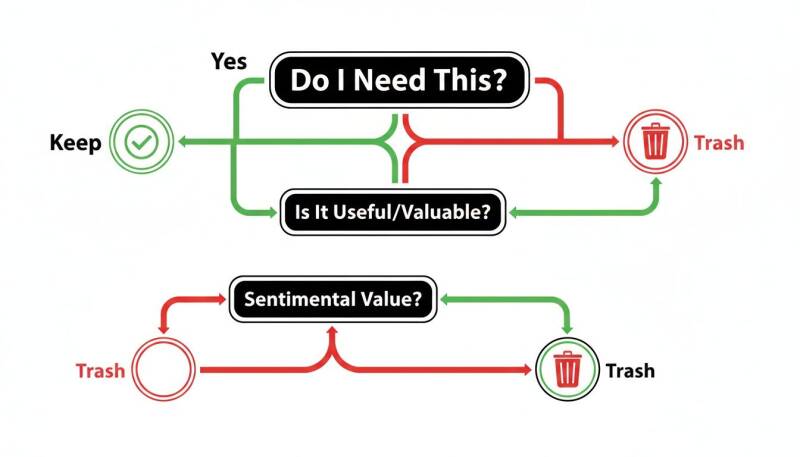
As the chart shows, that first "yes" or "no" to keeping something is the most important step. Everything else flows from there.
The Donate Pile: Giving Your Stuff a Second Act
That pile of stuff you've labeled "Donate" is full of items with plenty of life left in them. Instead of paying someone to haul it to a landfill, you can put it back into the community and support a great cause. For bigger things like furniture or a bunch of boxes, many charities will even come to you.
Here are a few of my go-to recommendations for donations:
- Habitat for Humanity ReStores: This is the perfect place for furniture, appliances that still work, and even leftover building materials from a recent project.
- Goodwill and The Salvation Army: These are the classics for a reason. Both frequently offer pickup services for furniture, clothing, and general household goods, turning your clutter into vital funding for community support programs.
Just hop on their websites, see what they're currently accepting, and find the link to schedule a pickup. It’s often the easiest and cheapest way to clear out usable items.
Recycling Beyond Your Curbside Bin
Your "Recycle" pile likely contains things you can't just toss in with your newspapers and plastic bottles. I'm talking about old electronics (e-waste), appliances, and scrap metal. These items are full of valuable materials that can be recovered, but they also contain hazardous stuff that should never see the inside of a landfill.
Before you write something off as trash, do a quick search for local recycling options. You’d be surprised what you can find. Many towns hold free e-waste collection days a few times a year. Big box stores like Best Buy and Staples usually have free, in-store recycling programs for smaller electronics, dead batteries, and old ink cartridges.
And for that rusty old grill or broken washing machine? A local scrap metal yard might actually pay you to take it off your hands.
Making the effort to recycle properly isn't just about checking a box. It's a genuinely impactful choice. Proper disposal keeps toxic materials out of our soil and water while conserving resources for the future.
This is a massive global issue. We produce over two billion tonnes of municipal waste every single year, and a staggering 33% of it is just openly dumped. The World Bank's insights on the global waste crisis are eye-opening, projecting the cost of this problem could hit $640.3 billion a year by 2050. This is exactly why responsible, professional removal is so critical.
Dealing With the Final "Dispose" Pile
For everything that's truly at the end of its road, you've got three main paths. The best one for you will hinge on how much stuff you have, your budget, and how much heavy lifting you're up for.
- Check for Municipal Bulk Pickup: Most towns have a program for collecting large items like sofas or mattresses right from your curb. It's often free or very cheap, but you'll need to check your local public works website. Pay close attention to the rules, item limits, and pickup dates—they can be few and far between.
- Haul It Yourself: If you have a truck (or can borrow one), a DIY trip to the local transfer station is a solid, cost-effective move. You only pay the "tipping fees" for disposal, which are usually based on weight. You get instant gratification, but be prepared for some serious physical labor.
- Rent a Dumpster: Tackling a huge project like an estate cleanout or a home renovation? Renting a dumpster is incredibly practical. A company drops off a large container, you fill it up on your own schedule, and they come haul it away. This is the best bet for large volumes of debris and can be quite affordable, especially if a neighbor wants to go in on it with you.
Handling Hazardous and Bulky Items the Right Way
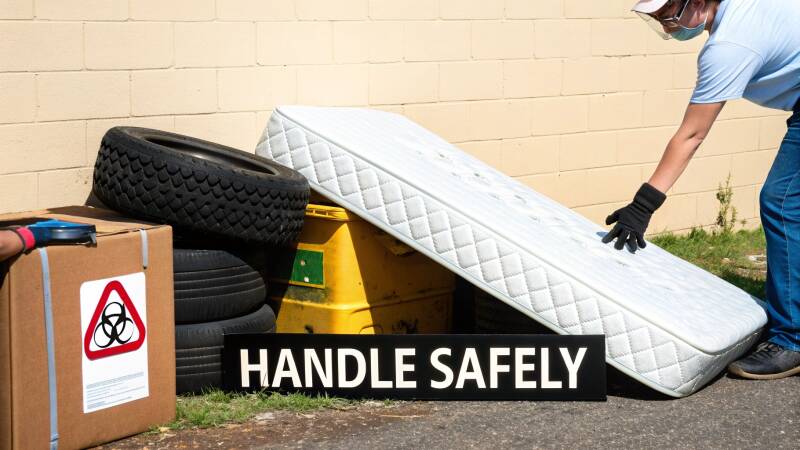
Let's be honest, not all junk is created equal. While most household clutter is easy enough to deal with, some items require a completely different game plan. These are the things that pose a real risk to your health and the environment—and you absolutely can't just toss them in the trash or drag them to the curb.
Trying to dispose of hazardous or bulky items improperly isn't just a bad idea; it can land you with some serious fines and cause real ecological harm. Think about it: the chemicals in old paint can seep into groundwater, and a single mattress can clog up a landfill for decades. A little extra planning here goes a long way.
What Counts as Hazardous Waste?
First things first, you need to know what you're up against. Hazardous waste is typically anything that's flammable, corrosive, reactive, or toxic. Take a look in the back of your garage, under the kitchen sink, or in that old shed. You'll likely find a few culprits.
Common household hazardous materials include:
- Chemicals & Cleaners: Old paint cans, solvents, pesticides, and harsh cleaning agents.
- Automotive Fluids: Used motor oil, antifreeze, and leftover gasoline.
- Batteries: All of them—from tiny AAs to big car batteries—are packed with harmful metals.
- Electronics (E-waste): Your old TVs, computers, and phones contain lead, mercury, and cadmium.
Your best bet is to check your local municipality's website. A quick search for "household hazardous waste collection event" will show you designated drop-off days. These events are usually free and ensure everything is handled by pros.
Whatever you do, don't pour these things down the drain or dump them on the ground. Keep them in their original containers, make sure they're sealed, and store them somewhere safe until you can get them to a proper facility.
Dealing With the Big, Awkward Stuff
Beyond chemicals and electronics, you’ve got the heavy hitters—the items that are just too big or cumbersome for your weekly trash pickup. This category covers everything from that lumpy old couch to the pile of debris from your weekend DIY project.
Many of these items have their own special disposal rules. Mattresses and box springs, for example, are a nightmare for landfills and are often banned from regular trash. Old tires are another one; most states require them to go to a specific recycling program. For other large items, like that lawnmower that finally gave up, there are specific steps to follow. You can learn more in our guide on how to dispose of old lawn equipment.
When you're dealing with a major project, like clearing out construction debris or taking down a small structure, safety becomes the top priority.
- Construction Debris: This includes wood, drywall, concrete, and roofing materials. It's heavy, and there are often hidden nails and sharp edges. A dumpster rental or a junk removal service is almost always your best move.
- Large Appliances: Things like refrigerators and air conditioners contain refrigerants (freon) that are harmful to the ozone layer. A certified technician has to safely remove it before the appliance can be recycled.
- Hot Tubs & Sheds: Demolishing and hauling away these structures is a major job. It demands the right tools, proper safety gear, and knowing how to handle any utility connections.
When you're staring down a pile of renovation rubble or an old shed that needs to go, it’s usually time to call in the professionals. They have the equipment and experience to do the job safely and efficiently, making sure everything is disposed of according to local regulations. It saves you from potential injury and a lot of legal headaches.
When to Hire a Professional Junk Removal Service
The DIY spirit is great, but let’s be honest—some projects are just too big, too heavy, or too complicated to tackle alone. Knowing when to call in the pros isn't about giving up; it's about making a smart, strategic decision that saves you time, stress, and a whole lot of back pain.
Think of it this way: you wouldn't try to be your own plumber for a major leak. Junk removal is no different. Sometimes, you need the right equipment, a strong crew, and the expertise to get the job done right.
The Sheer Volume is Just Too Much
This is often the most obvious reason. A weekend garage cleanout is one thing, but a full-blown estate cleanout, a hoarding situation, or clearing out a commercial space is a completely different animal. These jobs can easily stretch into weeks, or even months, if you're flying solo.
A professional crew can knock out in a few hours what might take you countless weekends. They show up with a big truck and an experienced team that works like a well-oiled machine. If you're looking at multiple rooms packed to the ceiling or dealing with the emotional weight of clearing out a loved one's home, hiring help is the clearest path forward.
When you're faced with a mountain of junk, the most valuable thing a professional service offers is momentum. They break through the paralysis and get the job done, turning a seemingly impossible task into a finished project.
You're on a Tight Deadline
Your time is your most valuable asset. If you're up against a clock—maybe you're moving, prepping a house for sale, or dealing with an eviction cleanout—the DIY approach is often just too slow. The logistics of sorting everything, hauling it away, and making multiple trips to different disposal sites can gobble up your entire schedule.
Think about these common time-crunched situations:
- Real Estate Deals: Getting a home ready for the market means clearing it out, fast. Any delays can mess with closing dates and even affect the final sale price.
- End-of-Lease Cleanouts: Landlords and property managers need to get rental units ready for the next tenant without delay. A pro team can clear an entire apartment in a single visit.
- Unexpected Life Events: Sometimes, you just need the space back now. A professional service gives you speed and immediate relief from the clutter.
This need for professional help is on the rise. In the U.S., where recycling rates are around 30%, municipal waste collection is expected to control 63% of a massive $1.28 trillion market by 2025. In fast-paced markets like New York and Connecticut, the demand for same-day pickups is surging, highlighting just how many people rely on pros to manage overwhelming amounts of waste. You can dig into the full Global Waste Index 2025 to see the trends for yourself.
Safety and Physical Limits
This one is non-negotiable. So many cleanout projects involve items that are heavy, awkward, or just plain dangerous to move. Trying to wrestle a sleeper sofa down a flight of stairs or haul an old refrigerator out of the basement by yourself is a recipe for a serious injury.
Professional junk removal crews are trained in safe lifting techniques. They come prepared with dollies, straps, and the manpower to move heavy objects without hurting themselves or damaging your property. They know how to pivot a couch through a tight doorway and navigate tricky corners. If your project involves anything you can't lift comfortably and safely, it’s time to pick up the phone.
Dealing with Special and Regulated Items
Like we've talked about, you can't just toss everything into the same landfill. Things like old electronics (e-waste), appliances containing freon, leftover construction debris, and even large amounts of yard waste are subject to specific disposal rules. A reputable junk removal company knows these local regulations inside and out.
They make sure every item is properly sorted and taken to the right facility—whether that's a recycling center, a donation drop-off, or a specialized waste station. This protects the environment and, just as importantly, protects you from getting hit with fines for improper disposal. To get a better idea of what can be hauled, it’s worth reviewing the wide range of professional junk removal and demolition services available. That expertise is one of the biggest benefits you get when you hire a team to get rid of junk for you.
Got Questions About Junk Removal? We've Got Answers.
When you're staring down a mountain of clutter, it’s natural to have a few questions. Knowing what to expect can make all the difference, turning a potentially stressful cleanout into a smooth, straightforward process. Let’s walk through the questions we hear most often from homeowners just like you.
Think of this as your cheat sheet for planning a successful junk removal project.
How Do Companies Figure Out the Price?
This is always the first question, and for good reason. No one likes surprise costs. Junk removal pricing isn't a flat fee; it's a bit more tailored to what you actually have.
The biggest factor is volume—how much room your stuff takes up in the truck. Most quotes you'll see are based on fractions of a truckload, like a quarter-truck, half-truck, or a full load. If you're just getting rid of one bulky piece, like an old couch or a broken freezer, companies often have a set single-item price for that.
Of course, a few other things can affect the final number:
- Tough Access: Is the junk hiding in a cramped attic or a hard-to-reach basement? If the crew needs to navigate tricky spaces, a little extra for labor might be added.
- Heavy Materials: Things like concrete, soil, or roofing shingles are incredibly dense. For these, pricing is usually based on weight, not just volume.
- Special Disposal: Some items, like mattresses or tires, cost more for us to dispose of responsibly. Those fees from the recycling center or transfer station are usually passed on.
Pro Tip: Never trust a quote given over the phone without someone seeing your junk. A reputable company will always offer a free, no-obligation estimate on-site. That way, you get an exact, all-inclusive price before any work begins. No guesswork, no surprises.
Is There Anything You Can't Take?
While we can haul away an incredible amount of stuff, there are some materials we’re legally and safely not allowed to handle. Think of it this way: if it's hazardous, we can't take it.
You'll need to find a specialized disposal service for these types of items. It’s a good idea to pull them aside before the crew gets there to keep things moving smoothly on removal day.
Commonly prohibited items include:
- Paints, stains, and solvents
- Chemicals, pesticides, and harsh cleaning agents
- Asbestos or other regulated materials
- Automotive fluids like oil and antifreeze
- Pressurized tanks, such as propane canisters
When you book your appointment, just ask for their list of non-accepted items so you know exactly what to set aside.
How Should I Get Ready for the Crew?
A little prep work on your end goes a long way and helps our team work faster and more safely. While we’re there to do all the lifting, clearing a path is a huge help.
Make sure there's an easy-to-navigate route from your junk to the truck. This might mean moving a car out of the driveway or shifting some planters off the walkway. If the crew has to walk through your home, laying down some old towels or a drop cloth in high-traffic areas is a great way to protect your floors.
It's also a smart move to clearly separate what’s going from what’s staying. If you have a pile of junk in a room with things you want to keep, grab some painter's tape or sticky notes to mark the "go" pile. This simple step ensures we don't accidentally haul away something you love.
Where Does All My Stuff Actually Go?
It’s a common misconception that everything just gets tossed into a landfill. For any responsible, modern junk removal company, that’s the absolute last resort. Our goal is to divert as much as we can from the local dump.
After your items are loaded up, the sorting process begins.
Items that are still in good, usable condition are earmarked for local charities and donation centers, where they can find a new home. Materials like metal, e-waste, and cardboard are separated and sent to the proper recycling facilities. Only what’s truly non-donatable and non-recyclable—the actual trash—is taken to a licensed transfer station for final disposal.
Ready to finally get rid of junk without the hassle? The team at D&B Complete Home Services INC. offers fast, reliable, and eco-friendly junk removal services across New York and Connecticut. Whether it's a single item or a full estate cleanout, we handle all the lifting, loading, and responsible disposal so you don't have to. Get your free estimate today and reclaim your space!
Add comment
Comments