
Don't trash it! Discover genius ways to repurpose metal gazebo frame into a carport, pergola, or vertical garden. Practical, creative backyard ideas.
Repurpose Metal Gazebo Frame: Genius DIY Ideas
You walk into the backyard planning a cleanup day, and that old metal gazebo is still standing there with a shredded canopy, loose hardware, and a frame that looks one windstorm away from the scrap pile. In plenty of cases, the frame is still the usable part.
What matters is the condition of the metal, the joints, and the anchoring. Fabric fails first. So do lightweight roof panels, mosquito net tracks, and decorative trim. The frame can still be serviceable if it remains square, the legs are not rusted through, and the connection points have not stretched or cracked.
A little realism matters here.
Repurposing a metal gazebo frame works best when you inspect it like a renovation project, not a decorating project. Check each post at grade, probe rust spots with a screwdriver, and look for bent roof members that signal past overload or storm damage. If the frame rocks under hand pressure, has footings pulling loose, or is fused together with corrosion, start with safe teardown and debris sorting instead of design plans. If you need to clear the failed canopy, broken panels, and rusted parts first, these junk removal tips for renovation and outdoor structure cleanup will help you handle the mess safely.
Some reuses are straightforward. Others ask the old frame to do work it was never built to do. A vine support or light shade structure puts modest demands on the metal. A carport, roofed pavilion, or animal shelter can cross into anchoring, bracing, load paths, and permit territory fast. That is usually the point to bring in a pro for reinforcement, partial demolition, or full removal if the frame is past saving.
The eight ideas below focus on practical second lives for a metal gazebo frame, with the trade-offs spelled out. You will see what you can build yourself, what prep work usually gets skipped, and when expert help makes the project safer, cleaner, and more durable.
- Garden Trellis and Vertical Plant Support System
A rusting gazebo skeleton in the corner of the yard can become one of the most useful structures on the property if the frame is still stable. Trellis conversions are a smart first project because they put relatively light demands on old metal and let you reuse good material without pretending it can do a heavier job than it should.
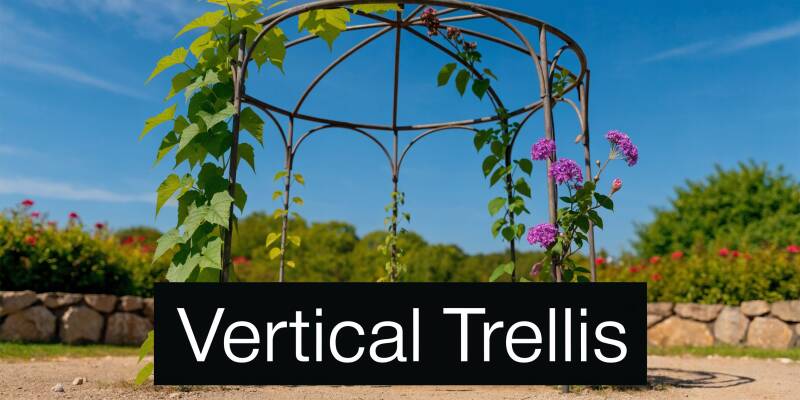
The best candidates still have straight posts, solid base connections, and roof or side members you can trust to carry vines, wire mesh, or cattle panels. Once a frame starts twisting out of square, the project shifts from garden upgrade to repair work. At that point, cut it down into smaller usable sections or get help with reinforcement before you waste time planting around a failing structure. Homeowners who want to see what that kind of transformation can look like can browse these before-and-after renovation and cleanup projects.
I like this reuse for kitchen gardens and awkward side yards because it solves two problems at once. You get vertical growing space, and you stop the old frame from reading as abandoned debris.
How to turn it into a usable trellis
Strip off every loose canopy fragment, fabric sleeve, zip tie, and plastic connector first. Old canopy hardware turns brittle, and it usually breaks into sharp pieces during removal. After that, scrub rust back to sound metal, wash the frame, and prime any bare spots before you attach your new support surface.
These pairings usually work well:
- Flowering vines: Clematis, jasmine, and morning glory cover a frame fast.
- Edible climbers: Pole beans, cucumbers, and some small squash varieties make the structure productive.
- Screening plants: Dense annual vines help hide a fence line or utility corner.
Wire mesh panels give the cleanest long-term result. Tensioned garden twine is cheaper, but it sags, degrades, and needs seasonal replacement. That trade-off is fine for vegetables. It is less appealing if you want a permanent garden feature.
Smart demolition choices before you build
A lot of these projects go wrong during partial teardown. Gazebo frames often have seized bolts, hidden burrs, and footings that are more stubborn than expected. If you only need the side panels, disassemble and label matching parts before cutting anything. If the top section is bent or rusted through, remove it on the ground when possible instead of fighting it overhead.
Cutting the frame down can be the better build, not the lesser one. Two salvaged side walls mounted along a fence often perform better than one full freestanding gazebo frame that was never properly re-anchored.
Practical rule: If the legs move at the base when you push the frame, fix the anchoring or reduce the structure before adding plants.
For homeowners dealing with piles of torn canopy fabric, corroded brackets, and scrap metal after the teardown, D&B’s junk removal tips and resources are useful for sorting debris, keeping reusable parts, and cleaning the site safely.
This is also one of the few repurposing ideas that adds curb appeal without inviting structural risk. A dead gazebo suggests neglect. A planted trellis looks planned.
- Outdoor Patio Shade Structure and Pergola Alternative
A patio usually exposes the truth about an old gazebo frame fast. Set it over a seating area, add shade, and any twist, wobble, or bad anchoring shows up right away.
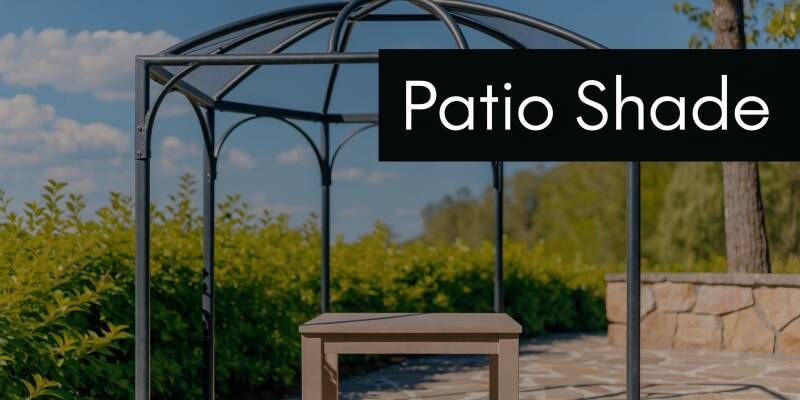
This conversion works best when the frame is still square and the top rails line up cleanly. A worn canopy is not a problem. Bent roof members, split joints, and loose feet are. Light metal frames can make good pergola alternatives, but only if you treat them as shade structures with limited load capacity, not as a shortcut to a permanent roof.
That distinction matters on jobs. Fabric shade cloth adds very little weight and is forgiving if the frame is slightly irregular. Wood slats look better and last longer, but they add dead load and catch more wind. Decorative reed or composite panels sit somewhere in the middle. The right choice depends on what the frame can carry and how exposed the patio is.
Best materials for the retrofit
Three retrofit paths usually hold up well:
- Shade cloth: Best for airflow, seasonal sun control, and easy removal before storms or winter.
- Wood slats: Best for a finished pergola look if you fasten them to properly reinforced crosspieces.
- Outdoor-rated reed or composite panels: Best for filtered shade and a softer visual finish without fully enclosing the top.
Skip the temptation to force a generic replacement canopy onto an older frame. If the roof geometry is off even slightly, the fabric pools water, flaps in wind, and starts stressing the corners. I see that failure all the time after one hard season.
Demolition and reinforcement decisions that matter
The smart move is to inspect the base before buying any new material. Frames set on loose pavers or surface-mounted anchors may have performed well enough with a lightweight top cover. Once you add rigid shade pieces, the load path changes. The posts have to resist sway, uplift, and racking, not just hold up a canopy.
Start with a hard check of each leg, each connection plate, and the patio surface below. If a post rocks, fix that first. If anchor bolts are corroded into place, cut and replace them instead of trying to reuse hardware that has already failed once. If the slab is cracked at the mounting points, bring in a pro before rebuilding overhead.
A good remodel also includes subtraction. Remove decorative upper pieces that no longer stiffen the frame. Cut out bent members on the ground, not while they are half-supported overhead. If you want to see how cleanup, repair, and finish work can change an outdoor structure from tired to intentional, D&B’s before-and-after renovation examples show the difference that proper reinforcement and site prep make.
A successful pergola conversion gives shade without asking an aging frame to do a heavier job than it was built for.
Use this option when the frame is straight, the patio already drains well, and you want filtered cover over seating or a small lounge area. Pass on it if the structure leans, the connections are wallowed out, or you need full rain protection. At that point, partial removal, reinforcement, or a full replacement plan is the safer call.
- Outdoor Gym and Fitness Equipment Frame
Some frames are better used for motion than shelter. If the footprint is stable and open, an outdoor workout station can be a smart way to repurpose metal gazebo frame material without adding a roof load back onto it.
This one suits private homes best. It can work in a multi-unit property, but once tenants or guests are involved, the liability side changes fast.
What you can attach safely
A solid frame can support lighter fitness accessories such as suspension straps, anchored resistance bands, stretching loops, or a freestanding timer board mounted nearby. If you want pull-up bars or ring mounts, check the crossmembers carefully. Many gazebo frames weren’t designed for repeated dynamic loading from body weight.
That’s the biggest trade-off with this idea. It looks simple, but people don’t load a gym frame the way they load a garden feature. Jerking, swinging, and dropping create stress at joints that otherwise seem fine.
A workable setup usually includes:
- Ground treatment: Rubber mats, compacted stone dust, or another slip-resistant base.
- Attachment control: Dedicated eye bolts or brackets, not random wraparound clips.
- Open clearance: Enough side space to keep straps and bands from hitting posts.
What fails in real life
The weak points are almost always the same. Loose bolts, widened connection holes, and top rails that flex under live movement. If a frame was already shaky as a gazebo, don’t upgrade it into exercise equipment. You’re increasing the risk, not reducing it.
For homeowners, I’d keep this project modest. Think stretching station, band anchor frame, or shaded yoga corner. Once you move into monkey-bar territory or bodyweight training that depends on hard overhead pulls, a purpose-built steel rig makes more sense.
If you wouldn’t trust the frame over a dining table, don’t trust it over your shoulders during a workout.
A realistic example is a backyard fitness corner with a cleaned frame, tensioned sun shade, stall mats underneath, and two carefully installed suspension anchors. That’s manageable. A frame packed with bars, heavy bags, and improvised welds usually ends badly.
If corrosion around the upper joints is advanced, cut your losses. Remove the structure and build on a fresh base instead. Fitness equipment punishes weak framing faster than almost any decorative reuse.
- Outdoor Dining and Entertainment Pavilion
Dinner outside sounds simple until you set a table under an old frame and notice every problem at once. The ground is uneven, the posts are tired, and the whole setup looks like leftover hardware instead of a finished gathering space.
A good dining pavilion starts with teardown, not decorating. Strip off bent roof parts, brittle mosquito net tracks, and any loose ornamental pieces before you plan furniture. If the frame has racked out of square or shows rust swelling around the upper joints, deal with that first. Sometimes the smartest call is partial demolition and cleanup before you rebuild the area. If the old roof panels, damaged posts, or scrap metal are piling up, schedule a junk removal service for renovation debris and clear the site so you can see what is worth saving.
The base decides whether this project feels permanent. Set the pavilion over pavers, a compacted gravel pad with solid edging, or a small deck built to carry the load evenly. Bare lawn rarely holds up under table legs, foot traffic, and repeated weather cycles. You end up with wobbling chairs, muddy edges, and a space nobody wants to use after the first wet week.
Keep the overhead plan modest unless the frame is heavier than average and still structurally sound. Shade cloth is usually a safer choice than solid roofing on an older gazebo frame because it adds less weight and catches less wind. I’d also be careful with anything suspended from the top rails. A few lights are one thing. A fan, heater, speaker set, hanging planters, and a chandelier in one bay is how old joints get overstressed.
A clean pavilion usually includes a few disciplined choices:
- Flooring that drains well: Pavers or gravel bases handle spills and weather better than exposed soil.
- Lighting with a plan: Run exterior-rated wiring neatly and protect connections from rain.
- Furniture sized to the span: Leave enough room to move around chairs without bumping posts.
- A finish pass on the metal: Wire-brush rust, prime bare spots, and repaint before the table goes in.
The difference between a nice outdoor room and a tired reuse project is finish quality. Crooked string lights, peeling paint, and random leftover chairs make the frame look older, not better. Clean lines help. Matching hardware helps. So does hiding extension cords instead of snaking them across the floor.
This setup can pay off if you’re preparing the house for sale, but only if it reads as intentional. Buyers respond to a defined use area. They do not respond to a rusty frame with a patio set shoved underneath.
One more caution. Hardwired lighting, electric heaters, ceiling fans, and mounted televisions push this project out of casual DIY territory. At that point, get an electrician involved and have a contractor or metal fabricator confirm the frame can take the load safely. A dining pavilion should make the yard easier to enjoy, not add a hidden failure point over the table.
- Carport and Vehicle Protection Structure
You find a free Saturday, roll the old gazebo frame over the driveway, and start picturing instant covered parking. That is usually the point where this project goes sideways. A vehicle shelter puts very different stress on a frame than a patio setup ever did.
Roof panels catch wind. Snow sits. Water has to drain somewhere. Posts need proper anchoring, and the frame needs enough stiffness that it does not rack every time a storm hits. If the original gazebo was built for light seasonal fabric, treat the existing structure as raw material, not as a finished carport kit.
When this conversion is realistic
A heavier steel frame with straight posts, sound connections, and adequate vehicle clearance can sometimes work for a light-duty shelter. The best candidates are usually compact cars, motorcycles, ATVs, riding mowers, trailers, or maintenance equipment. In many yards, the smarter version is an equipment cover beside the drive instead of a daily-use carport over the family vehicle.
As noted earlier, surface rust is not the primary deciding factor. Joint fatigue, bent members, wall-thinned tubing, and loose fastener holes are what end these projects. Once rigid roofing goes on, every weak point matters more.
Demolition judgment matters as much as the build
I would not commit to this project until the top assembly is stripped down and every connection is exposed. Old canopy hardware hides plenty of trouble. You need to know whether the frame is square, whether the legs are still plumb, and whether the anchoring points can be upgraded without fighting rotten concrete or shallow footings.
Sometimes the safest plan is partial reuse. Keep the posts if they are sound. Replace the roof structure. Add new bracing. Pour proper footings if local code requires them. That is a much better result than forcing a tired gazebo frame to do work it was never built to handle.
Before the rebuild starts, clear the failed canopy parts, bent tubing, roofing scraps, and unusable metal so nobody is tripping over sharp debris. If the teardown pile gets out of hand, junk removal services for metal frame debris and demolition waste can make the site workable again.
A repurposed gazebo frame can protect equipment. A dependable carport usually needs reinforcement, new roofing support, or a full structural rebuild.
Use rigid panels only if the frame, anchors, and footings justify the added load. If they do not, scale the idea down. A covered mower bay or seasonal storage shelter still gets good use from the frame without asking it to perform like a permanent carport.
- Pet Sanctuary and Animal Shelter Structure
This is one of the most useful ways to reuse a frame because animals benefit from enclosure, shade, and airflow more than they benefit from a polished finish.
A former gazebo can become a dog run, catio, chicken shelter, or small animal enclosure with welded wire mesh, hardware cloth, and a weather-protected retreat zone. The open shape works in your favor. You’re building a secure perimeter first, then adding comfort features.
The safety details matter more than the design
For pets, sloppy work shows up fast. Gaps at the bottom become escape routes. Exposed cut wire becomes a hazard. Weak latches fail.
Build this one from the animal’s point of view:
- Mesh choice: Small enough that noses, paws, or predators can’t exploit openings.
- Gate hardware: Lockable, self-closing if possible, and mounted square.
- Shade and rain cover: A protected section matters even in a mostly open enclosure.
- Floor condition: Mud and standing water make the enclosure miserable and hard to clean.
Cats and small dogs need tighter detailing than large dogs. Chickens need better predator-proofing than many people assume. Rabbits and similar small animals need even more attention at ground level.
Where repurposing helps most
This project is especially good when the original roof fabric failed but the frame footprint is still useful. You don’t need a perfect architectural look. You need a secure shell.
A good real-world setup is a backyard catio built from a gazebo frame anchored on pavers, wrapped in black-coated wire mesh, with a shelf system inside and a small covered box for weather protection. Another is a dog exercise area beside the house, where one side of the old frame ties into existing fencing to create a controlled run.
The common mistake is assuming the frame alone creates safety. It doesn’t. Safety comes from proper enclosure materials, smooth edge treatment, and a weather plan. If your old frame is rusting badly at paw height or has split joints near the gate area, fix or replace those sections before any animal goes inside.
- Outdoor Bar and Beverage Station
Some old gazebo frames are in the right spot already. They’re near the patio, close to the grill, and begging for a second life as the social hub of the yard.
That’s where an outdoor bar makes sense. You keep the overhead presence of the structure, but instead of trying to restore it to its original purpose, you give it a new function that doesn’t depend on a full enclosed roof.
The layout matters more than the decor
The best outdoor bars are built around workflow. One side serves guests. The other side stores supplies, coolers, glassware, and prep items. If you add a counter without planning traffic flow, the space gets cramped fast.
A practical setup usually includes a waist-high counter along one or two sides, a back shelf, and lighting that’s bright enough for prep but warm enough for evening use. Composite countertop materials and weather-resistant cabinetry hold up better than improvised plywood and interior hardware.
You can also strip this idea down and still get a great result. A frame, a cedar bar top, two shelves, and string lighting is often enough.
What to leave to the trades
This item crosses into skilled work the moment you want power, refrigeration, or plumbing. A dry bar is straightforward. A wet bar with a sink, dedicated outlet, or undercounter appliance needs a much tighter install.
Keep the frame as the visual anchor. Build the serving surfaces as replaceable components.
That approach saves headaches later. Outdoor bars get wet, stained, and banged up. If the counter and shelving are modular, you can repair or swap them without touching the whole structure.
A realistic example is a backyard entertaining zone where the old gazebo frame keeps the bar area defined, pendant-style outdoor lights add ambience, and one side panel becomes a bottle and glass rack. For hospitality properties or event spaces, this can create a memorable feature. For homeowners, it’s one of the easiest ways to make an old frame feel upscale without pretending it’s new.
Just be honest about weather exposure. If the location takes hard wind or driving rain, enclosed storage and durable finishes matter more than style.
- Herb Garden and Culinary Growing Station
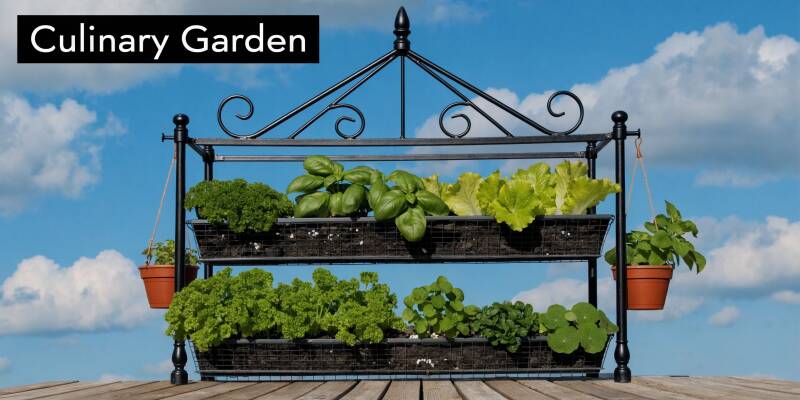
Step out the back door, snip basil for dinner, and water everything in five minutes. That is a key appeal of turning an old gazebo frame into a culinary growing station. It gives herbs a defined home, keeps pots off the ground, and makes the structure useful again without asking it to do heavy structural work.
This setup works best close to the kitchen, patio, or grill area. Daily access matters more than looks. If herbs are tucked at the far end of the yard, they usually get ignored, and the whole project turns into another decorative corner that needs upkeep.
Older frames suit this use because the loads stay light. You are hanging baskets, fastening narrow shelves, and supporting climbing stems, not rebuilding a roof system. Even so, I would not skip the inspection step. Check every leg for corrosion at the base, probe bolt holes for elongation, and confirm the frame is still square before you start attaching planters. If it wobbles now, wet soil and repeated watering will make that problem worse.
A smart layout keeps the weight low and the plants easy to reach:
- Upper zone: Hanging baskets for trailing herbs, strawberries, or edible flowers.
- Middle zone: Narrow shelves or rail-mounted boxes for the herbs you cut often, such as basil, parsley, chives, thyme, and oregano.
- Ground level: Heavier pots, grow bags, or a raised planter where drainage and watering runoff are easier to manage.
Match the planting plan to the site you have. Full sun supports Mediterranean herbs. Partial shade is better for greens, cilantro, and some lettuces during hot weather. Mint deserves its own container unless you want it taking over the entire station.
This is one of the few gazebo-frame projects that benefits from restraint. Leave open space between containers. You need airflow to limit mildew, room to reach the back row, and enough clearance to prune without knocking pots into each other. A frame packed tight with planters looks good for two weeks and becomes a maintenance problem by midseason.
There is also a renovation decision at the front end. If the old canopy hardware, bent crossbars, or decorative side pieces get in the way, remove them cleanly instead of building around them. Rusted fasteners often have to be cut out, and that means eye protection, gloves, and a stable ladder. If the frame has cracked welds, severe rust at the feet, or loose anchors set in damaged concrete, stop there and get a contractor involved. A demolition or metalwork crew can tell you whether the frame is worth reinforcing, partially stripping, or removing altogether.
For rentals, guest houses, and compact backyards, this project adds function without major construction. For homeowners who cook a lot, it is one of the few repurposes you will use every day. Build it for access, drainage, and easy cleanup first. The charm comes from that.
8-Way Repurpose Comparison for Metal Gazebo Frames
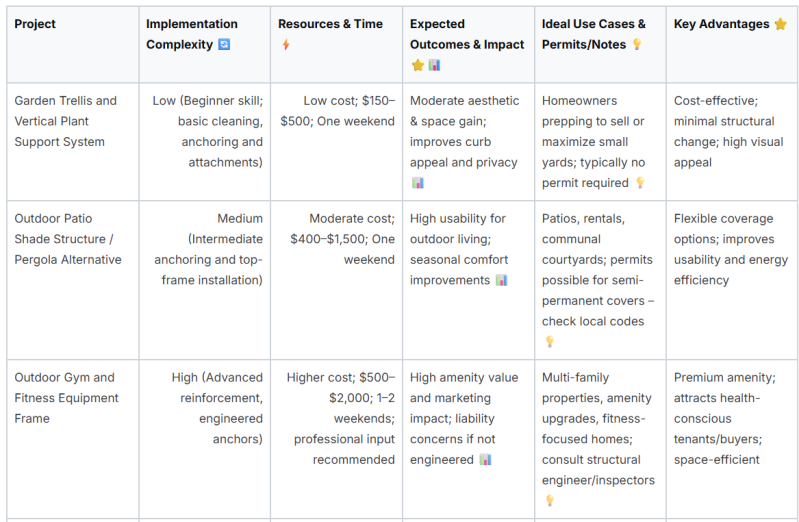
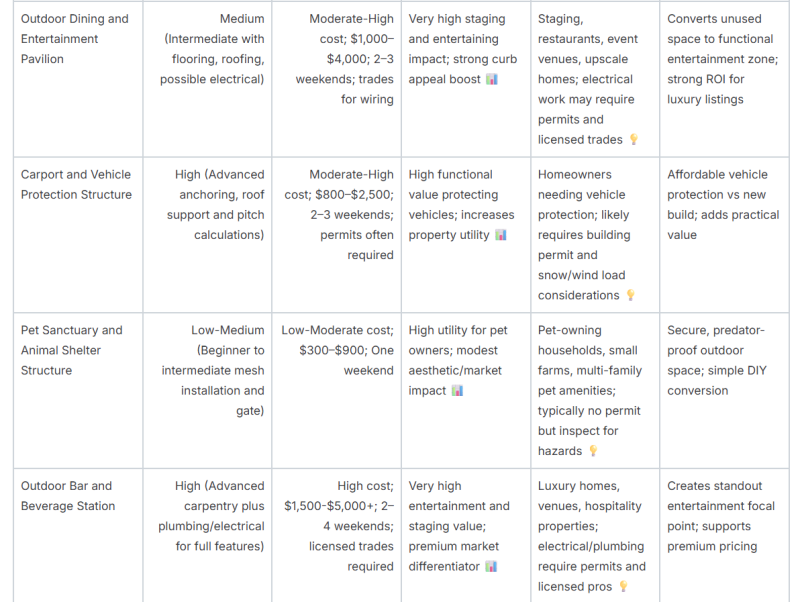

Your Frame's Next Chapter Build, Remodel, or Remove
An old metal gazebo frame can be surprisingly useful. In the right condition, it can become a trellis, pergola, pet enclosure, herb station, dining pavilion, or bar setup that adds function to the yard. The frame is only the starting point, though. The smart decision comes from matching the project to the frame’s actual condition.
That’s where experience matters. A lot of frames look salvageable from a distance. Up close, the truth usually shows up at the connections. Loose bolts, rusted brackets, bent roof members, wobbling legs, and shallow anchoring are what separate a good candidate from a bad one. If the frame is stable and the reuse idea reduces structural demand, repurposing often makes sense. If the project adds weight, roof panels, movement, utilities, or public use, the standard gets much higher.
The easiest wins are the low-load projects. Garden support systems, herb stations, decorative shade structures, and enclosed animal spaces usually make the best use of an aging frame because they don’t ask it to perform like a new engineered structure. They work with what’s left. The harder conversions, such as vehicle cover or anything carrying rigid overhead materials, need a much more careful approach.
There’s also the teardown question. Sometimes homeowners spend too much time trying to save every piece when they’d be better off salvaging the best sections and removing the rest. That’s especially true when the canopy hardware is shot, the base area is overgrown, or the frame sits on an uneven surface that needs to be rebuilt anyway. In those cases, partial demolition is often the practical first step. Clear the site, sort reusable metal from junk, and rebuild from a clean starting point.
Professional help isn’t overkill when the project crosses into structural reinforcement, electrical work, major anchoring, heavy lifting, or full removal. It’s the sensible move. The same goes for frames with advanced corrosion, twisted geometry, buried footings, or awkward placement near patios, retaining walls, or property lines. Those are the jobs where a contractor can save you from wasting weekends on a frame that was never going to become what you wanted.
For homeowners and property managers in New York and Connecticut, D&B Complete Home Services INC. is well positioned for that middle ground between DIY ambition and jobsite work. If you want a second opinion on whether the frame is worth keeping, need selective demolition before a rebuild, want debris hauled off cleanly, or decide the structure should come out entirely, their team can help move the project forward safely. They also handle the broader work around the frame, including repairs, remodeling, cleanup, and preparation that makes the whole area usable again.
The best outcome isn’t always saving the frame. The best outcome is making the property better. Sometimes that means repurposing the structure into something useful and attractive. Sometimes it means cutting it down, recycling what still has value, and reclaiming the space properly. Either way, don’t let an old gazebo frame sit there as a half-broken reminder of a project you haven’t started. Decide what it can realistically become, then build it right or remove it cleanly.
If that old gazebo frame is taking up space, creating an eyesore, or standing in the way of a better outdoor setup, D&B Complete Home Services INC. can help you sort out the next step. Whether you need junk removal, selective demolition, site cleanup, repairs, or a full remodel in New York or Connecticut, their team can turn a stalled backyard project into a finished result.
Add comment
Comments