Searching for 'scrap removal near me'? This guide covers pricing, metal types, and how to choose a reliable service in NY & CT. Contact D&B for a fast quote.
Scrap Removal Near Me: A 2026 Local Guide for NY & CT
A lot of people search scrap removal near me when the problem has already crossed the line from annoying to urgent.
The garage door barely closes. A tenant move-out left old appliances, metal bed frames, and busted shelving behind. A contractor wrapped the remodel, but the driveway still has cut pipe, wire, siding, and demo debris sitting in a heap. In New York and Connecticut, that mess is not just ugly. It can slow down a sale, delay a turnover, or create a headache when local disposal rules do not match what the town curbside program will take.
That is where scrap removal stops being a simple hauling job and becomes a practical service. You need someone who can tell the difference between trash, recyclable metal, regulated items, and materials that need a different disposal path. You also need clear pricing, a realistic timeline, and a crew that leaves the area usable when the truck pulls away.
Your Guide to Clearing Clutter and Debris
A familiar call goes like this. A homeowner in Dutchess County cleans out the basement after years of putting it off. Half the pile is old household junk. The other half is scrap from abandoned projects, metal shelving, paint-stained tools, a dead mower, and an old dehumidifier nobody wants to drag upstairs.
A property manager in Fairfield runs into a different version of the same problem. One unit is empty, but not ready. There is a refrigerator in the kitchen, loose bed frames in the bedrooms, rusted patio furniture on the balcony, and a stack of metal fixtures in the maintenance room. The question is never just, “Who can pick this up?” A more important question is, “Who can sort it properly, price it fairly, and get it out without creating another problem?”
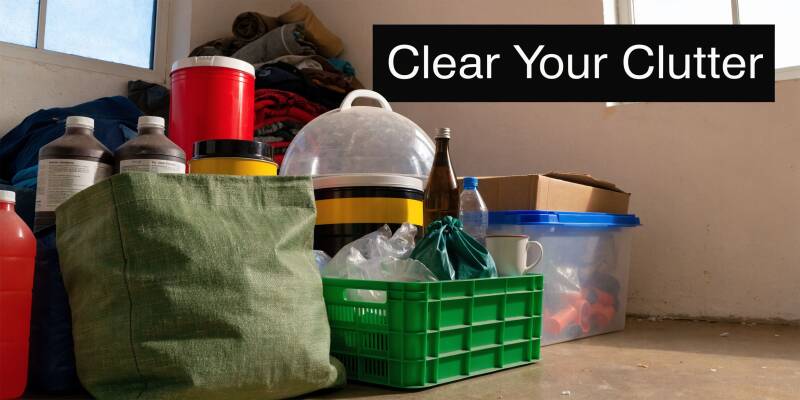
That is the practical side of scrap removal. Some jobs are mostly labor and hauling. Some have recoverable metal value. Some involve appliances or electronics that require extra care. Some combine all three.
What usually needs sorting first
- Household overflow: Old furniture, broken exercise equipment, grills, shelving, and mixed garage clutter.
- Renovation leftovers: Pipe, wire, metal studs, cutoffs, fixtures, and bulky debris.
- Turnover cleanouts: Appliances, bed frames, lawn equipment, and abandoned tenant items.
- Estate situations: A little of everything, often packed into basements, attics, sheds, and garages.
A local guide matters because the answer is rarely “put it at the curb.” If you want a useful starting point for cleanup planning, the junk removal tips and resources page is a practical place to begin.
Tip: Before you book, separate anything you know is metal from general clutter. Even rough sorting makes the pickup discussion faster and more accurate.
Unpacking the Main Types of Scrap Removal
The term scrap removal near me gets used broadly, but not every job is the same. If you know which category your project fits into, you get a better quote and a smoother pickup.
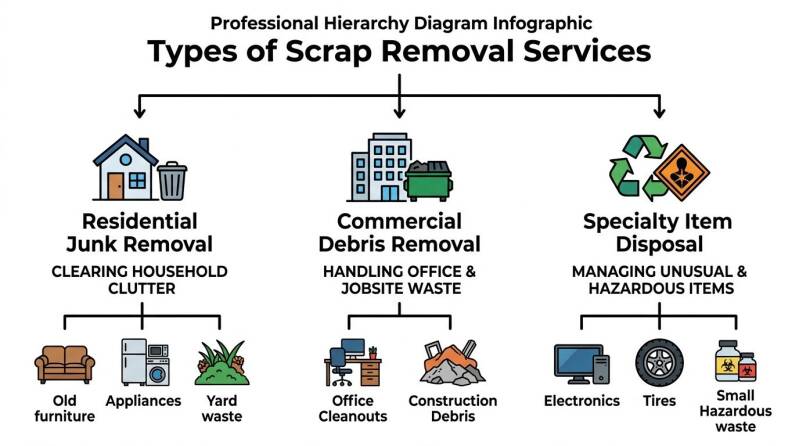
Household junk with scrap mixed in
This is the most common residential call. The pile usually includes metal items, but it is not a pure metal load.
Think washers, dryers, old grills, filing cabinets, iron bed frames, shelving, bikes, and garage leftovers. The challenge is not just loading it. The crew has to decide what can go as scrap, what belongs in standard disposal, and what needs separate handling.
Construction and demolition debris
Contractors and serious DIY homeowners run into this one constantly. Demo work creates mixed material fast. You might have steel studs, rebar, wire, aluminum trim, metal ductwork, plus wood, drywall, insulation, and flooring all piled together.
This category needs job-site discipline. Clean metal has a very different handling path from mixed debris. If it all gets tossed together, value drops and disposal gets less efficient.
Dedicated scrap metal pickup
This is the closest thing to “pure” scrap removal. The load is mostly metal, often from a shop cleanout, equipment replacement, property maintenance backlog, or job-site accumulation.
The key distinction is ferrous versus non-ferrous. Ferrous metal includes steel and iron. Non-ferrous includes copper, aluminum, and brass. If you want to understand one specific item category that often gets overlooked, this guide on how to dispose of old lawn equipment is useful because small machines often mix metal value with fuel or fluid concerns.
Estate and property cleanouts
These are broad, labor-heavy jobs. Scrap is part of the project, not the whole project.
An estate cleanout can include appliances in the basement, metal shelving in the garage, lawn tools in the shed, and decades of general junk packed around all of it. The work is part removal, part sorting, and part logistics.
Why the category matters
A long-established scrap operation does not survive by treating every load the same way. E.J. Knight Scrap Material Co. Inc. was founded in 1906 and has grown into a 14-acre facility with over 50 employees, which shows how specialized and operationally layered scrap processing has become over time.
That matters locally too. A homeowner sees one pile. A professional sees labor, loading sequence, recoverable material, regulated items, and disposal routes.
The Scrap Removal Process From Quote to Clean-Up
When considering junk removal, customers often expect just hauling. A good scrap removal job works more like a coordinated site clear-out.

Step one is identifying the load
The first conversation should answer a few simple questions.
- What is in the pile: Appliances, loose metal, household junk, demo debris, or a mix.
- Where is it located: Curbside, basement, garage, attic, backyard, job site, or multiple floors.
- What access looks like: Tight stairs, long carries, elevator access, gated yard, or narrow driveway.
- Whether anything needs special handling: Refrigerated appliances, electronics, tires, or equipment with fluids.
Photo-based quotes can work well for straightforward piles. On-site quotes are better when the load is mixed, hidden in multiple rooms, or likely to change once the crew starts pulling items out.
What happens on pickup day
The crew usually walks the job first. That matters because the loading order affects speed and safety.
Heavy metal comes out differently than loose household clutter. Sharp-edged material, awkward appliances, and long pieces like pipe or bed rails need a plan before anyone starts lifting. Good crews also protect walls, floors, doors, and common areas when the load is coming from inside.
Tip: If you want the job to move quickly, mark anything that stays with tape or move it into a separate room before the truck arrives.
Sorting does not end at your property
A professional haul is not just “load and dump.” The load often gets separated further after pickup based on material type and disposal path.
SA Recycling’s Phenix City facility accepts materials ranging from cars and appliances to construction-related scrap and offers roll-off service for commercial quantities. That is a useful example of the wider network removal crews rely on. Local haulers plug into facilities and disposal channels that can process different material streams correctly.
The final stage matters
The end of a good job is simple. The agreed material is gone, the area gets broom-cleaned where appropriate, and the customer knows what left with the truck.
That last part builds trust. On a turnover or estate job, especially, people want to know the pile is not just gone from sight. They want to know it was handled in an organized way.
Demystifying Scrap Removal Costs and Metal Value
The hardest part of pricing is that customers often ask one question when there are really two.
The first is, “What will it cost to remove this?” The second is, “Does any of this metal have value?” Sometimes those answers pull in opposite directions.
What drives the removal price
Most hauling quotes are shaped by a mix of labor, truck space, weight, access, and item type.
A pile of light metal shelving in a garage is different from cast-iron radiators in a basement. A clean stack of pipe at the curb is different from mixed scrap buried under household junk in an attic. Heavy material can be quick to load but hard on labor and truck capacity. Mixed piles take more sorting and more time.
Metal value is real, but it is uneven
That one fact explains a lot of quote differences.
- Ferrous metal: Steel and iron are common, heavy, and usually less valuable per pound.
- Non-ferrous metal: Copper, aluminum, and brass often carry more recovery value.
- Mixed loads: Once scrap is blended with wood, drywall, insulation, plastic, or trash, the financial upside drops quickly.
What helps and what hurts
What works:
- Clean separation: Keep copper wire, aluminum, brass, and steel apart if you can.
- Easy access: Curbside or driveway piles usually reduce labor.
- Dry, visible loads: Wet debris, hidden piles, and buried metal slow everything down.
What does not work:
- Assuming all metal pays: Many loads still cost money to remove because labor and transport outweigh scrap value.
- Mixing everything together: Once clean metal gets tangled with demolition debris, value and efficiency both fall.
- Ignoring prep: Appliances, equipment with fluids, and electronics can change the handling path.
A practical pricing table
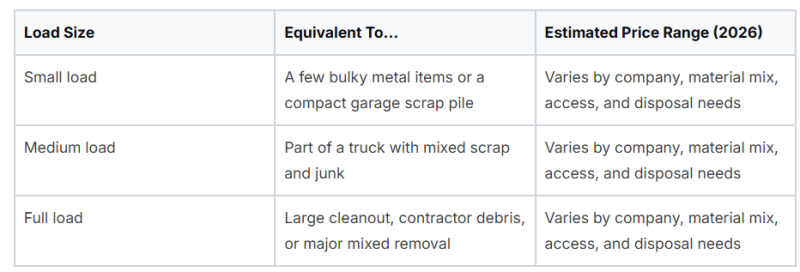
The table stays qualitative on purpose. In NY and CT, pricing changes with labor conditions, access difficulty, and the difference between true scrap and mixed junk. Ask for a quote that explains what is being charged for hauling and whether sorted metal changes the total.
Key takeaway: If you want the fairest number, ask the company to look at the load by material type, not just as one giant pile.
How to Choose a Safe and Reliable Scrap Removal Service
The cheapest truck is often the most expensive mistake.
In scrap removal, the risk is not only property damage. It is also improper disposal, unsafe lifting, and mishandling items that should never be tossed into a mixed load. In the NY and CT market, that matters because local rules can be more restrictive than people expect.
Ask direct questions before you book
A reliable company should be able to answer these clearly:
- Are you insured: You want liability coverage and worker protection, not vague reassurances.
- What happens to appliances and electronics: This tells you whether they understand regulated materials.
- Do you handle mixed loads: Some companies only want easy curbside scrap. Others can handle full cleanouts.
- Can you document what was removed: Property managers and real estate professionals often need a clean paper trail.
- Do you sweep up and leave the area usable: Cleanup standards vary more than customers think.
Why compliance is not optional
In regulated markets, the gap between “junk” and “regulated item” gets serious fast. California’s Metallic Discards Act requires certified technicians to remove hazardous materials such as refrigerants and mercury switches from appliances before they are crushed, and the requirement exists to prevent environmental contamination and fines.
You are not hiring a California company in Westchester or Fairfield based on that example. The lesson is broader. Appliances, cooling units, and certain equipment cannot be treated like plain metal.
Red flags worth noticing
Some warning signs show up early.
- Cash-only with no written scope: That usually means trouble if there is damage or a disposal dispute.
- No questions about the material: If they do not ask what is in the pile, they are probably not planning for it.
- One flat promise for every job: Scrap, debris, and regulated items do not all belong under one careless price.
- Pressure to book immediately: Good operators can move quickly without skipping the details.
For local service comparisons, one practical option to review is D&B Complete Home Services INC.’s junk removal services, especially if your job blends scrap pickup with demolition debris, property turnover work, or general cleanout labor.
Your Local Scrap Removal Partner D&B Complete Home Services
Most national articles about scrap removal near me stop at generic advice. They tell you companies remove old appliances, metal, and junk. They do not help much when you are standing in a co-op basement in Westchester, dealing with a turnover in Putnam, or trying to clear contractor debris from a Fairfield renovation.
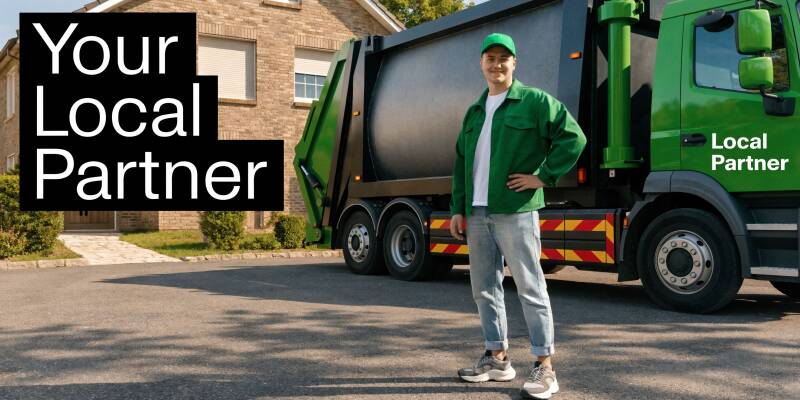
The local advantage is not just distance. It is familiarity with the way these jobs show up in NY and CT. A clean metal pickup from a driveway is one thing. A mixed estate cleanout with appliances, shelving, exercise equipment, and renovation leftovers is another. So is a landlord turnover where the scrap is only part of the problem.
What local customers usually need
In this market, the most useful service is often a blend of tasks, not a narrow scrap-only pickup.
- Homeowners: Garage cleanouts, shed clearing, old appliance removal, and post-project debris.
- Property managers: Turnovers, abandoned tenant items, bulk metal fixtures, and maintenance backlog.
- Contractors: Construction debris hauling, metal cutoffs, fixture removal, and site cleanup.
- Agents and investors: Pre-listing cleanouts, estate preparation, and market-ready cleanup.
Why local regulation knowledge matters
Many online guides miss the practical regulatory side of the Northeast market. Guidance aimed at other regions often fails to address New York and Connecticut rules around e-waste, construction debris, and other disposal requirements, which creates a real need for local operators who understand county-specific handling.
That gap is exactly why local service matters. In real jobs, customers are not trying to become disposal experts. They want a crew that can identify what belongs in scrap, what belongs in another waste stream, and what needs special handling before the property can move on to the next step.
A one-stop provider is useful when the project expands midstream. A garage cleanout can turn into light demolition. A turnover can uncover repair issues after the junk is gone. A renovation site may need both debris hauling and finish prep. That is where a combined removal and property-service company fits better than a truck that only wants easy metal.
Frequently Asked Questions About Scrap Removal
Do I need to be home for the pickup
Not always. If the material is outside and access is clear, some companies can handle the job without you on site. For interior pickups, estate work, or jobs with items that stay, it is better to be present or to leave very clear instructions.
Should I sort my scrap metal before the crew arrives
If you can, yes. Separate obvious metal from general junk and keep cleaner metals apart from mixed debris. Even basic sorting helps the quote and can make the loading process faster.
What common items may require special handling
Appliances, electronics, and equipment that may contain fluids are the first things to flag. Tires and certain bulky items can also follow separate disposal rules depending on where you are and what condition they are in.
Can you take construction debris with scrap metal
Usually yes, but mixed renovation waste should be identified up front. Metal studs, pipe, wire, and aluminum trim are very different from drywall, wood, insulation, and flooring. A good quote reflects that mix instead of pretending it is all one material.
How does same-day scheduling usually work
Same-day availability depends on truck space, crew schedule, location, and how complicated the load is. A curbside metal pickup is easier to squeeze in than a full basement cleanout with appliances and stairs. The fastest way to get an accurate answer is to send photos and describe access clearly.
What should I do before the truck arrives
Clear a path, separate anything that stays, and point out any item you are unsure about. If the load includes appliances or equipment, mention that before the appointment so the crew arrives prepared.
If you need help clearing metal, mixed debris, appliances, or a full property cleanout in New York or Connecticut, D&B Complete Home Services INC. handles junk removal, construction debris hauling, demolition, and related property prep for homeowners, property managers, contractors, and real estate professionals across the region.
Add comment
Comments