Find caring companies that clean out homes after someone dies. Our guide covers essential services, costs, and how to choose trusted professionals.
Finding Compassionate Companies That Clean Out Homes After Someone Dies
When you're dealing with a loved one’s home after they’ve passed, the companies you call for help are generally known as estate cleanout services or property cleanout specialists. These are the professionals who step in to manage the sorting, removal, and disposal of a lifetime's worth of belongings, letting you and your family focus on what's truly important.
They’re a specialized type of service, equipped to handle everything from a straightforward junk removal job to more complex and sensitive situations, always with a level of compassion and efficiency you won't find with a standard crew.
What an Estate Cleanout Company Really Does
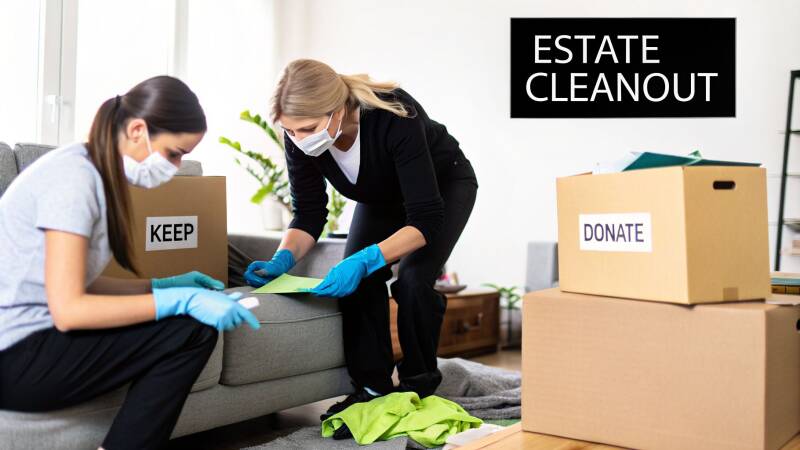
Clearing out a home is an emotionally and physically draining task. It’s a heavy burden, and that's precisely where a professional estate cleanout company makes a world of difference. Their role goes far beyond what a typical junk removal team offers; they systematically and respectfully manage the entire contents of a home, lifting that logistical weight off your shoulders.
Think of these specialists less as movers and more as project managers for a very sensitive operation. They know how to distinguish between trash and treasure, carefully sorting everything based on your specific instructions. The goal is a collaborative process, making sure that heirlooms, important papers, photos, and other valuables are found and set aside for you.
Comprehensive Services for Difficult Situations
A true estate cleanout covers more than just hauling away clutter. The best companies provide a full range of services to handle every possible need, which is especially critical when you're facing challenging circumstances that require specialized skills for safety and legal reasons.
Some of the core services you should expect include:
- Sorting and Categorizing: Going room by room to methodically separate items into piles for keeping, donating, selling, recycling, or disposal.
- Valuables Recovery: A trained eye for spotting and securing personal valuables like jewelry, cash, and critical financial or legal documents that might be hidden or overlooked.
- Donation and Recycling Coordination: Working with local charities and recycling facilities to give usable items a second life and minimize what ends up in a landfill.
- Full-Service Labor and Hauling: Bringing the right-sized crew and all the necessary equipment to handle the heavy lifting, packing, and transportation of everything off-site.
A key differentiator is their ability to handle biohazard remediation. This highly specialized service is absolutely essential in cases involving an unattended death, which requires certified technicians to professionally clean, disinfect, and deodorize the property to ensure it's safe for habitation.
When Professional Help Is a Necessity
While some families might consider tackling a cleanout themselves, there are many situations where hiring professionals isn't just a convenience—it's a necessity. The table below outlines a few common scenarios where an expert team is your best option.
When Professional Estate Cleanout Is Essential
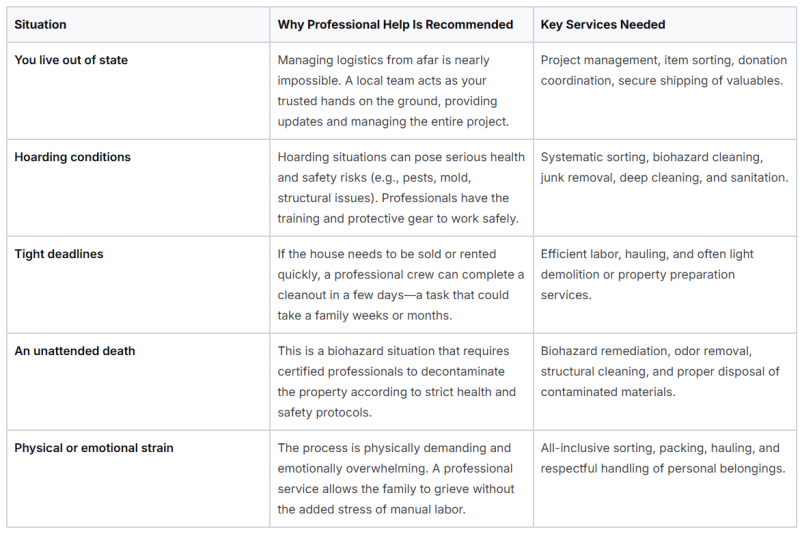
Ultimately, bringing in a team gives you a clear path to getting the property ready for its next chapter—whether that's putting it on the market, renting it out, or preparing it for another family member. The demand for these sensitive services is on the rise; the global After Death Cleaning Service market was valued at US$ 69.73 million in 2025 and is expected to hit US$ 97 million by 2032.
If your needs are more straightforward and don't involve the complexities of a full estate, you can explore our regular junk removal services for a simpler solution.
How to Prepare the Home for a Cleanout Crew
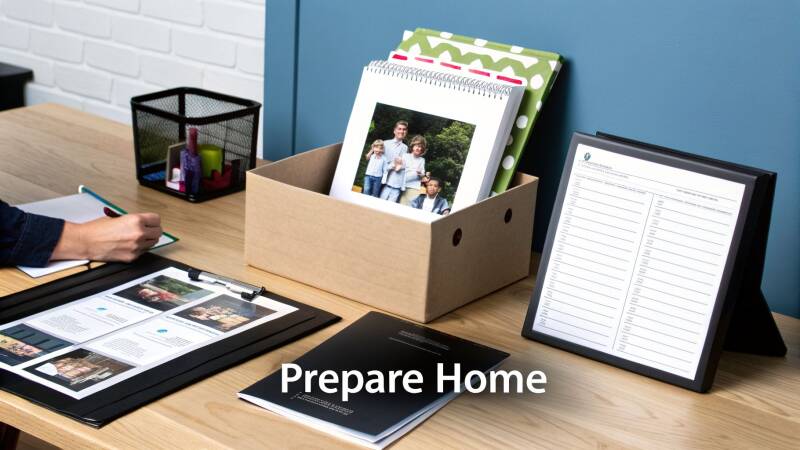
Before the cleanout crew shows up, taking a few preparatory steps can make a world of difference. It not only helps the team work faster but, more importantly, gives you peace of mind that nothing irreplaceable gets lost in the shuffle.
Your first and most critical task is to track down all the important paperwork. We’ve seen these documents turn up in the most unexpected places—desk drawers, of course, but also closet shelves, kitchen cabinets, and bedside tables. Set aside anything that looks official, including wills, deeds, trusts, social security cards, passports, and recent bank or tax statements. Gather them all and put them somewhere safe, completely away from the areas being cleared.
With the vital documents secured, it’s time to start thinking about personal items. This can be the most emotionally challenging part of the process, but you don't have to tackle it all at once.
Sorting Personal Belongings
Let’s be clear: your job isn’t to clean the house. It’s simply to identify what needs to be saved. The most effective way I’ve seen families handle this is with a simple labeling system, so you don’t have to physically move heavy furniture or endless boxes.
Grab some color-coded stickers or brightly colored painter's tape and start tagging. A good system looks something like this:
- Green for Keep: Use this for any heirlooms, furniture, photo albums, or personal mementos you and other family members have decided to save.
- Yellow for Unsure: Perfect for items that need a second look or require another family member to weigh in before a final decision is made.
- No Tag for Remove: This is the easiest part. Anything left unmarked is automatically designated for removal, and the crew will know to sort it for donation, recycling, or disposal.
This method leaves no room for guesswork. It gives the crew clear, visual cues, ensuring your loved one's cherished possessions stay protected. It's also a great idea to take quick photos of tagged items on your phone as a backup record.
Safety First: What You Should Never Handle
Please, for your own safety, recognize when to step back. If you come across any potential biohazards—especially from an unattended death—do not touch, clean, or try to handle these materials yourself. This requires certified professionals who have the right training and personal protective equipment (PPE).
Leave these areas completely undisturbed. Any reputable companies that clean out homes after someone dies will have the proper certifications to handle biohazards safely, protecting you and your family from serious health risks.
Creating Clear Work Zones
As a final layer of protection, try to move all the items you've marked "Keep" into one room. If moving everything isn't feasible, just choose a room and clearly mark it as off-limits. A simple sign on the door that reads, “Do Not Enter - Family Belongings” works perfectly.
This creates a physical barrier that makes it nearly impossible for mistakes to happen. It prevents treasured items from accidentally getting mixed in with things going out the door. Taking these steps ahead of time lets the professionals do their job efficiently and helps you feel confident and in control during a difficult time.
For a deeper dive into organizing a large-scale cleanout, feel free to check out our other junk removal tips and resources.
Vetting and Choosing the Right Cleanout Company
Making the right choice here is probably the most critical decision in this whole process. The best companies that clean out homes after someone dies operate with compassion and transparency, but you need to know how to spot them.
The first step is always to verify their basic credentials. A professional, reputable company will be licensed to work in your area and carry comprehensive insurance. This isn't just a formality—it protects you from any liability if an accident happens on the property and confirms you’re working with a legitimate business.
Essential Credentials and Certifications
Now, if you’re dealing with a more complex situation like an unattended death, the requirements get even stricter. In these cases, the team absolutely must be certified for biohazard remediation. This involves following strict health and safety protocols to ensure the property is fully decontaminated. Don't even consider a company that isn't.
The professional cleanup industry has seen significant growth, with the Professional Crime Scene Cleanup Services Market projected to hit $176.41 million by 2032. This expansion means more companies are using new methods for efficiency, making proper credentials more important than ever. You can read more about these industry trends and growth statistics to understand the landscape.
Questions to Ask Potential Providers
Once you've confirmed a company is licensed and insured, it’s time to dig a little deeper into how they actually operate. A good team will welcome your questions and give you clear, straightforward answers.
Here are a few essential questions I always recommend asking:
- Handling Valuables: "What is your exact process if you find money, jewelry, or important papers?" A professional crew will have a strict protocol for setting these items aside and notifying you immediately.
- Donations and Disposal: "Which charities do you work with, and how do you manage donation pickups?" This gives you a sense of their commitment to responsible disposal and their local community ties.
- Relevant Experience: "Have you handled a cleanout exactly like this one before?" Their specific experience with hoarding, biohazards, or even working with out-of-state family members can make a huge difference.
- The Team: "Are your employees background-checked and specially trained for this kind of work?" You need to be able to trust the people going through your loved one's home.
The answers you get will tell you volumes about a company's integrity and professionalism. A team that's patient and thorough with your questions is likely to bring that same care and attention to the job itself.
Red Flags to Watch For
Knowing what to look for is only half the battle; you also need to recognize the warning signs of a less-than-reputable operator. Be on guard for these common red flags.
Keep an eye out for these warning signs:
- Quotes Over the Phone: It's impossible to give an accurate, reliable quote without seeing the property first. Any company giving you a firm price sight-unseen is almost guaranteed to hit you with surprise fees later.
- Lack of a Professional Footprint: A flimsy website, no online reviews, or just an unprofessional vibe over the phone are all bad signs. In this business, reputation is everything.
- High-Pressure Tactics: Be wary of anyone trying to rush you into a decision or demanding a large cash deposit upfront. A trustworthy company will provide a clear, detailed contract and a reasonable payment schedule.
At the end of the day, trust your gut. This is an emotional and difficult process, and you need a partner who communicates with empathy and makes you feel at ease. By checking credentials, asking sharp questions, and watching for red flags, you can confidently find a compassionate and trustworthy company to guide you through it.
Of course. Here is the rewritten section with a more natural, human-written tone.
Breaking Down Estate Cleanout Costs and Timelines
When facing a home cleanout, two of the biggest questions are always, "How much will this cost?" and "How long is it going to take?" There’s no simple, one-size-fits-all answer, because every property and every family’s situation is unique.
The final price tag really comes down to a few key things: the sheer volume of items, the size of the house itself, and the amount of labor needed to get the job done right. A small condo with minimal furniture is a completely different project than a large, packed home that holds a lifetime of memories and possessions.
Key Factors Influencing the Cost
The scope of the work is easily the biggest driver of your final cost. A straightforward job where the main task is just hauling away unwanted items will always be more affordable. The price starts to climb as the complexity increases.
Here’s what a professional crew looks at when building your quote:
- Property Size and Item Volume: It’s simple math—more square footage and a higher density of items mean more hours and a larger crew, which directly affects the labor cost.
- Specialized Services: If the situation involves biohazard cleanup after an unattended death or requires a certified team to handle a hoarding environment, that's a specialized skill. This work requires proper training and equipment, which is reflected in the price.
- Heavy or Awkward Items: Moving a piano, a gun safe, or that massive antique armoire isn't a simple task. These often require extra hands and specialized moving equipment to get them out safely.
- Disposal and Landfill Fees: Where everything goes matters. The costs for responsible disposal and recycling can vary quite a bit depending on your local transfer station or landfill and the types of materials being removed.
Let me be blunt: any reputable company that cleans out homes after someone dies will insist on an in-person walkthrough before giving you a firm price. A quote offered over the phone, sight unseen, is a huge red flag and often leads to surprise charges down the road.
The need for these services, especially those involving after-death cleaning, is on the rise. The U.S. home decontamination services market, which covers this work, was valued at USD 1,348.9 million in 2024 and is projected to hit USD 2,339.2 million by 2030. You can dig into the numbers yourself by reviewing the full analysis of home decontamination market trends.
Typical Timelines for an Estate Cleanout
Just like the cost, the timeline for an estate cleanout can vary widely. It all hinges on the property's condition and the specific tasks you've asked the crew to handle. A professional team is incredibly efficient, but they should never, ever rush you.
Here’s a rough guide to what you can generally expect:
- Small Apartment or Condo (1-2 Bedrooms): This can usually be completed in 1 to 3 days.
- Average Single-Family Home (3-4 Bedrooms): Plan for about 3 to 5 days of work.
- Large Estates or Hoarding Situations: These are the most intensive projects and can easily take a week or more, depending on the sheer volume and complexity.
These estimates cover the sorting, hauling, and a general sweep-up. If you find you need more time to sort through personal items or want to bring in other family members to look for keepsakes, a good company will work with you. The schedule should adapt to your needs, not the other way around. The whole point is to make this difficult process as manageable as possible for you.
What to Expect on the Day of the Cleanout
The day of the actual cleanout can feel like the most overwhelming part of this entire process. It’s a huge relief to know what’s coming. A professional crew won’t just show up and start throwing things in a truck; they follow a respectful and organized plan to make the day as smooth as possible for you.
When the team arrives, the first order of business is a final walkthrough with you. The crew lead will walk the property with you one last time to confirm the scope of work. They'll double-check all the items you’ve marked to keep and make sure they understand which areas are off-limits, like a room you've set aside for family mementos.
This is your moment to give any final instructions or point out anything you’ve had second thoughts about.
The Sorting and Removal Process
Once everyone is on the same page, the real work begins. Experienced crews don’t just randomly start grabbing things; they work methodically, usually room by room, to make sure nothing gets overlooked. This isn't a mad dash—it's a careful, organized effort.
As they clear each space, they'll sort everything according to the plan you already discussed:
- Donations: Good, usable furniture, clothing, and household items are set aside for local charities.
- Recycling: Materials like paper, metals, and electronics are separated out for proper recycling.
- Disposal: Anything that's left is prepared for disposal, always following local county regulations.
The team handles all the heavy lifting and dirty work. From hauling out that old sleeper sofa in the basement to bagging up junk from every closet, they have the muscle and the right equipment to get it done safely.
This chart gives you a good visual of how we break down the work involved, which is what shapes the timeline and cost of the job.
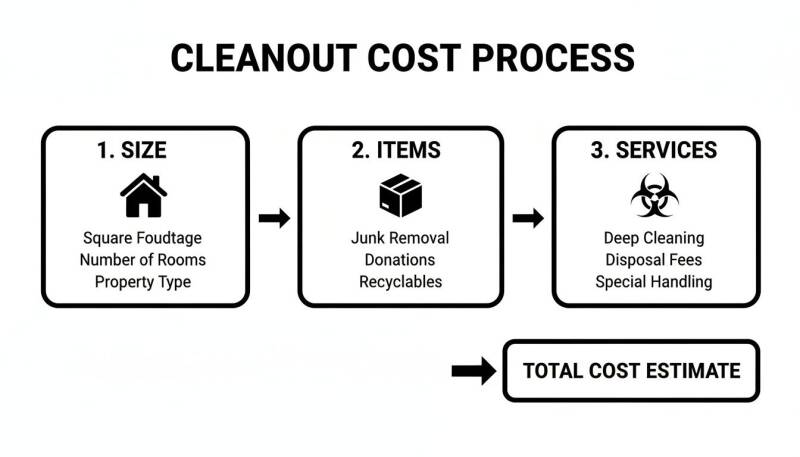
As you can see, the size of the home, the volume of items, and any special services required all play a role in how the day will be structured.
Handling Sensitive and Biohazard Situations
If the cleanout is for a more sensitive situation, like an unattended death, the process includes strict safety protocols. You’ll see the team wearing personal protective equipment (PPE)—gloves, masks, and sometimes full hazmat suits.
These measures are non-negotiable, and they protect both our crew and your family. Certified technicians will set up containment zones to prevent any cross-contamination and use specialized, hospital-grade cleaning agents to disinfect and deodorize all affected areas. This is a critical service that only specially trained companies that clean out homes after someone dies are qualified to handle.
The Final Walkthrough and Completion
After all the unwanted items are gone, the job still isn't quite done. A "broom-clean" finish is standard practice. This means the crew does a final, thorough sweep-up in every room, making sure no debris or dust is left behind from their work.
Before leaving, the team lead will ask you for one last walk-through. This is to ensure every single thing has been done to your satisfaction. Our goal is to hand you back a property that is completely empty, clean, and ready for its next chapter, whether that's putting it on the market, renting it out, or starting renovations.
You can see the difference a professional cleanout makes by looking through our before and after project gallery.
Common Questions About Estate Cleanout Services
Clearing out a loved one's home is a task most of us never expect to face. You're bound to have questions, especially if you've never had to do this before. It's completely natural to want to understand the process and feel confident you're making the right choices.
Let's walk through some of the most common concerns we hear from families. Our goal is to give you the straightforward answers you need to navigate this with a little more peace of mind.
What Happens If You Find Money or Valuables?
This is often the first thing families ask, and for good reason. Trust is everything. Any professional, reputable company has a non-negotiable protocol for this. Their crews are trained to keep a sharp eye out for anything that might have monetary or sentimental value.
When they find items like cash, jewelry, important papers, or family heirlooms, the process is simple: they stop, set the items aside securely, and contact you or the estate executor immediately. Before you hire anyone, make this a key part of your vetting process. Ask them to explain their exact policy for found valuables—their answer will tell you a lot about their integrity.
Do I Need to Be Present During the Entire Cleanout?
The short answer? No. You absolutely don't have to be there for the whole process, and frankly, many people find it too painful to watch. While you're always welcome to stay, most professional teams are set up to work independently once you've given them clear instructions.
A common approach that works well is to meet the crew on-site at the beginning of the day. You can do a final walkthrough, point out what stays and what goes, and answer any last-minute questions. Then, you can leave and return at the end of the day for a final inspection. This gives you control over the process without forcing you to endure the emotionally draining parts.
You should never feel pressured to stay if it's too difficult. The right team will respect your wishes and maintain clear communication—whether you're on-site or off—to ensure the job gets done exactly as you planned.
Can You Handle Hoarding Situations?
Yes, but it's critical to hire a company with specific experience in hoarding cleanouts. These aren't standard junk removal jobs; they are complex projects that often involve serious health and safety issues.
A hoarding environment can be dangerous. We're often dealing with challenges like:
- Biohazards: Accumulated waste can create unsanitary conditions that require professional-grade cleaning and disinfection.
- Structural Dangers: The sheer weight of belongings can strain floors, and blocked hallways or exits are major safety hazards.
- Pest Infestations: Clutter is an open invitation for rodents and insects, which must be handled properly.
An experienced crew comes prepared with the right training, specialized tools, and personal protective equipment (PPE) to manage the job safely. They also understand the sensitivity required, approaching the work with compassion to restore the home to a safe and clean state.
How Do You Dispose of Items?
A responsible company doesn't just haul everything to the dump. The goal should always be to donate and recycle as much as possible. It's about more than just being eco-friendly; it's a way of respecting the person's belongings by finding them a new home where they can be useful.
The process is methodical. Items in good, usable condition are sorted for local charities. Materials like scrap metal, paper, and certain plastics are separated for recycling centers. This thoughtful approach drastically cuts down on landfill waste and can bring a sense of comfort, knowing that some items are going on to help others. Always ask a company about their donation and recycling practices—the best ones are proud to explain how they do it.
When you need fast, dependable, and compassionate cleanout services, trust D&B Complete Home Services INC. to handle the job with professionalism and care. We are your one-stop partner for everything from estate cleanouts and junk removal to demolition and home repairs. Visit our website to learn more about how we can help you prepare a property for its next chapter.
Learn more about our services at D&B Complete Home Services INC.
Add comment
Comments