
Unsure what is selective demolition? Our guide explains the process, benefits, and costs for homeowners, plus tips for choosing the right demolition contractor.
What Is Selective Demolition a Homeowner’s Guide
When most people hear the word “demolition,” they picture a wrecking ball and a cloud of dust. That’s the old way—brute force for a complete teardown. But for almost any renovation or remodel, what you really need is something far more precise.
What Is Selective Demolition Really?
I often explain it to homeowners like this: think of it as surgery for your house. Traditional, full-scale demolition is like an amputation, where everything goes. Selective demolition, on the other hand, is a skilled, targeted procedure. We carefully dismantle only the specific parts of a structure that need to be removed, leaving the “good bones” of your property perfectly intact.
This isn't about swinging a sledgehammer wildly. It's the strategic first step in turning your vision into reality. Say you’re dreaming of an open-concept kitchen and living area. We wouldn't just knock down everything in sight. Instead, a professional team would precisely identify and remove a non-load-bearing wall, carefully pull out the old cabinets, and tear up the dated flooring—all while protecting the rest of your home.
Precision Over Brute Force
The whole philosophy behind this approach is control. Every cut, every removal, is planned to minimize mess and protect the value of your property. This level of care is absolutely critical on real-world job sites.
What does that look like in practice?
- Carefully cutting out a water-damaged section of a drywall ceiling without touching the rest of the room.
- Deconstructing an old, unsafe deck piece by piece, ensuring your home's siding and foundation remain untouched.
- Gutting a bathroom down to the studs to create a clean, solid slate for a full modern remodel.
Selective demolition isn’t destruction; it's the art of deconstruction. It’s about making way for progress by creating a blank canvas for your renovation, but without the collateral damage and waste of a full-scale teardown.
Ultimately, understanding what selective demolition is all about is the key to a smarter, more efficient, and less stressful renovation. It’s not just about tearing things down. It's about strategically removing the old to build the new, making sure the rest of your home stays safe, sound, and ready for its next chapter.
How Selective Demolition Works Step by Step
So, what does selective demolition actually look like in practice? It’s far less about swinging a sledgehammer and much more like a carefully planned surgical procedure for your house. A professional job is all about precision, safety, and efficiency, broken down into a few key stages that get your space ready for its next chapter.
The real work starts long before any walls come down. It all begins with a solid plan. A good contractor will walk through the space with you, listening to your goals for the renovation. They'll pinpoint exactly what needs to go and, just as importantly, what needs to be protected. This strategic planning is the foundation for the entire project.
Preparation and Containment
Once everyone’s on the same page, the crew gets to work prepping the site. This is a non-negotiable step for protecting the rest of your home from the chaos. First, they’ll shut off any utilities feeding the work area—water, gas, and electricity—to make sure the site is safe.
Next, they create a bubble around the demolition zone. This usually means sealing off doorways and vents with heavy-duty plastic sheeting. Often, they’ll also set up negative air pressure machines with HEPA filters to trap dust and debris, preventing it from migrating into your living spaces.
Deconstruction and Sorting
With the area safely contained, the deconstruction can begin. This isn't a free-for-all. It's a systematic, layer-by-layer process that preserves the home's structural integrity.
Crews work with a clear sequence in mind, which typically involves:
- Removing Fixtures: Things like sinks, toilets, light fixtures, and old appliances are carefully disconnected and taken out first.
- Dismantling Surfaces: Next come the surfaces. Drywall, flooring, tile, and cabinetry are stripped away methodically.
- Inspecting the Structure: With the bones of the room exposed, the crew can inspect studs, joists, and subfloors for any unwelcome surprises like water damage, rot, or pests.
This methodical approach is the key to a smart remodel. It’s the essential middle step that connects a good plan to a beautiful, transformed space.
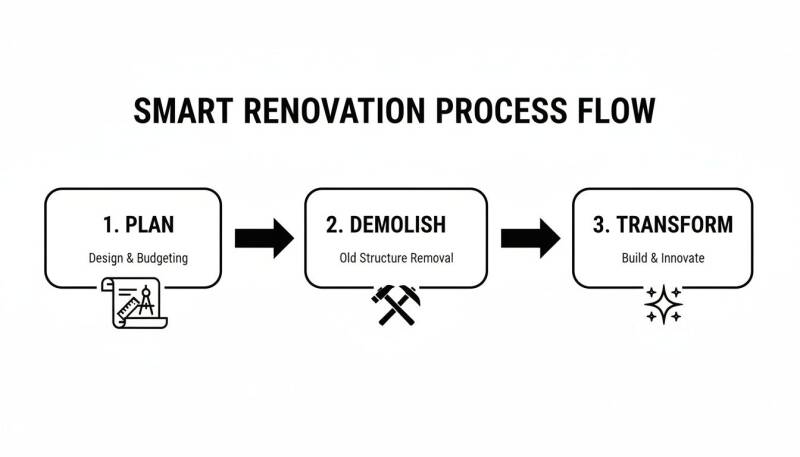
As you can see, precise demolition is the bridge between your initial vision and the final result. You can’t have a great "after" without a smart "during."
Final Cleanup and Disposal
As materials come out, they’re sorted on the spot. This focus on responsible disposal is a big part of modern demolition. In fact, this eco-conscious approach is a major driver of growth in the industry, which was valued at USD 6.25 billion back in 2026.
The job isn’t finished just because the walls are down. A professional crew will do a deep, thorough cleanup, vacuuming and sweeping every last bit of dust and debris. They leave you with a perfectly clean slate, ready for the builders to work their magic.
Finally, all the sorted materials are hauled off. Anything salvageable might be donated, recyclables like metal and clean wood head to a processing facility, and only the true garbage goes to a landfill. If you’re handling a smaller project yourself, you can find some great advice in our junk removal tips and resources.
The True Benefits for Your Home Renovation
When you hear "demolition," you probably picture a chaotic scene with a sledgehammer and a huge dumpster. But choosing selective demolition is a much smarter play. It’s a strategic move that pays off in real, measurable ways for your project, affecting everything from your budget to your stress levels. This careful, targeted approach adds value long before you even think about picking out new paint colors.
One of the biggest wins is, without a doubt, the cost savings. With a full-scale teardown, everything goes—and everything has to be replaced. Selective demolition is the complete opposite. We carefully preserve the good stuff, like your home's structural framing, subfloors, and sometimes even major plumbing and electrical lines. By keeping what already works, you slash the budget needed for new materials and the labor to install them, freeing up cash for the features and finishes you’re actually excited about.
Faster Timelines and Less Disruption
Because this method is so focused, it’s almost always faster than gutting a space down to the studs. A skilled crew is only taking out what’s necessary, which means less time spent on the demolition itself and way less time dealing with a mountain of debris. That efficiency directly translates to a shorter overall project timeline, getting you to the fun part—rebuilding—much quicker.
This speed also means a lot less disruption to your life. With the right containment strategies and a smaller work area, a professional team can often get the job done while you’re still living in your home. That’s a massive advantage for projects like a single bathroom remodel or a basement renovation, as it minimizes the hassle and lets you keep your daily routine.
Think of it as the difference between using a scalpel and a wrecking ball. Selective demolition accelerates your renovation schedule by getting you to the rebuilding phase faster, with less mess and a smaller impact on your day-to-day life.
Enhanced Safety and Precision
A renovation can be full of surprises, but your demolition shouldn't be one of them. Professional selective demolition is all about safety and precision. The last thing you want is for a well-intentioned sledgehammer swing to take out a load-bearing wall or rupture a water line hidden in the wall. Experts know how to identify and work around these critical systems, preventing costly and dangerous mistakes.
This careful approach is fundamental to protecting the structural integrity of your home. Instead of risking a DIY disaster that could set your project back weeks or months, you're left with a clean, structurally sound, and perfectly prepped space. That peace of mind is priceless, ensuring your renovation starts on a solid, safe foundation.
A Greener, More Sustainable Choice
Finally, this approach is simply the more responsible, eco-friendly option. Instead of filling a dumpster with materials destined for a landfill, selective demolition makes recycling and reuse a priority.
- Salvage and Donation: Items that are still in good shape—like kitchen cabinets, doors, light fixtures, and windows—can be carefully removed and donated to places like Habitat for Humanity ReStore, giving them a second life.
- Targeted Recycling: We sort materials like wood, metal, and concrete right on-site so they can be sent to the correct recycling facilities instead of being dumped as mixed waste.
This thoughtful process dramatically cuts down on landfill waste, often by over 70% on a typical renovation. It’s a modern, conscientious way to remodel that’s better for your home and the environment.
Common Projects That Require Selective Demolition
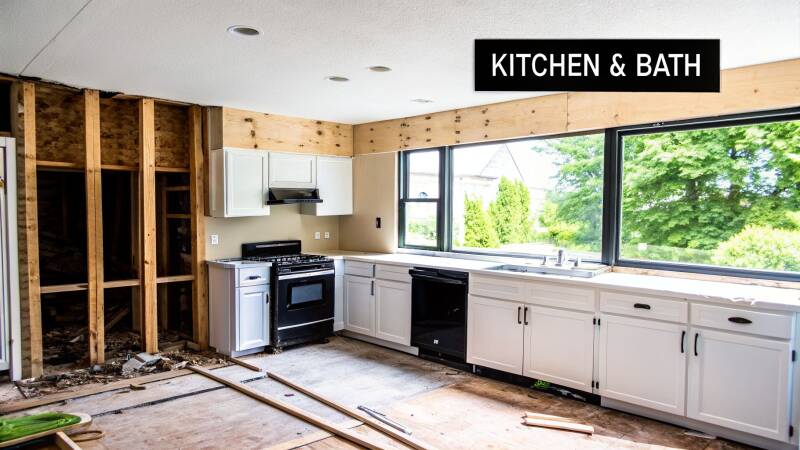
So, where does selective demolition actually come into play? You’d be surprised. It’s the secret weapon behind most modern home renovations, allowing us to make big changes without starting from scratch.
Think of it as the careful, strategic first step of any upgrade. Instead of bringing a wrecking ball to the whole house, we focus only on the parts you want to change, preserving the rest of your home and saving you from unnecessary chaos.
Interior Renovations and Remodels
Many of the most popular interior projects simply wouldn't be possible without this kind of precision. It’s what lets us clear the way for the beautiful, functional spaces you've been dreaming of.
We see it used most often in projects like these:
- Complete Kitchen Guts: To get a truly modern kitchen, you need a blank canvas. We can carefully strip everything—cabinets, countertops, old flooring, and appliances—right down to the wall studs, all without a speck of dust ending up in your living room.
- Bathroom Overhauls: Tearing out a dated tub, a bulky vanity, or old-fashioned tile requires a delicate touch. This targeted work is the key to getting a clean start for that spa-like bathroom you want.
- Creating Open-Concept Living: This is one of the biggest reasons homeowners call us. A professional crew can identify and take down a non-load-bearing wall, instantly transforming a boxy, closed-off floor plan into a bright and airy great room.
It’s one thing to talk about it, but it’s another to see it. If you want some inspiration, take a look at our before-and-after project gallery to see how these projects turn out.
Targeted Repairs and Exterior Work
Selective demolition isn't just for cosmetic upgrades. It’s also the smartest way to handle specific repairs and exterior jobs where you need to remove something old without damaging what's around it.
Imagine you discover a water stain on your ceiling from a leaky pipe. Instead of tearing out the entire ceiling, selective demolition lets a crew cut out only the small, damaged section of drywall. The surrounding area stays intact, making the final patch-and-paint job simple and seamless.
This same logic applies outdoors. If you have an old wooden deck that’s become a safety hazard, we can deconstruct it piece by piece. Your home's siding and foundation remain completely untouched, ready for a new deck to be built. It’s a much more efficient and less disruptive way to handle targeted upgrades and repairs.
How to Hire the Right Demolition Contractor

Choosing your demolition contractor is hands-down the most critical decision you'll make for your renovation. It’s tempting to just go with the cheapest quote, but that can be a fast track to disaster. The right crew’s skill and experience directly impact the safety, timeline, and final quality of your project. A true professional isn’t just there to swing a sledgehammer; they're a partner in protecting your home and your investment.
It's no surprise that this kind of specialized work is booming. The global demolition market, valued at USD 13.5 billion in 2025, is projected to more than double by 2033. North America is at the heart of this trend, with our market expected to climb from USD 4.2 billion to USD 8.5 billion, largely because of a mature residential renovation scene just like ours. You can dig into the numbers yourself by reading the full research about the demolition and wrecking services market.
Vetting Potential Contractors
As you begin your search, your goal is to find a team that truly understands the unique demands of working inside a home. Not all demolition companies are created equal. A crew that typically handles massive commercial teardowns might not have the delicate touch needed for a residential project where people are often still living.
Your vetting process needs to be thorough. Here’s what you should consider absolute non-negotiables:
- Proper Licensing and Insurance: Your contractor must have up-to-date liability insurance and worker’s compensation. Don’t just take their word for it—ask to see the certificates. This is what protects you from financial responsibility if an accident or property damage occurs.
- Proven Residential Experience: You want to see a portfolio with projects just like yours. Ask for references from homeowners they’ve worked with before and take the time to check their online reviews.
- A Commitment to Safety: A professional crew will walk you through their plan for site safety, dust containment, and how they’ll protect the rest of your house from the mess.
The right contractor does more than just demolition; they manage risk. Their expertise is your best insurance against costly mistakes, project delays, and the stress of a job gone wrong.
Key Questions to Ask Every Contractor
Once you've got a shortlist of qualified candidates, it’s time to get specific. The way they answer these questions will tell you everything you need to know about their professionalism and process. Don't hesitate to press for details.
We recommend asking:
- How will you protect the rest of my home from dust and debris? (You’re listening for answers that include plastic barriers, negative air machines, and robust floor protection.)
- What is your process for sorting and recycling materials? (A good contractor has a plan and cares about sustainable disposal.)
- How do you handle unexpected issues like hidden pipes or structural problems? (Their answer should give you confidence, not create more questions.)
- Can you provide a detailed, itemized quote? (This is crucial for transparency and avoiding surprise charges down the road.)
At D&B Complete Home Services INC., we expect and encourage these questions. A thorough conversation is the only way to build trust and ensure we’re the perfect fit for your project.
Understanding Project Costs and Timelines
When you're planning a renovation, one of the first questions is always about the bottom line: "How much is this going to cost?" With selective demolition, there’s no flat-rate answer. Every project is different. The final cost is a direct reflection of the job's specific demands, meaning a quick, one-day bathroom gut will land in a completely different ballpark than a multi-week interior deconstruction.
Think of it this way: removing a single, non-load-bearing wall is a straightforward task. Gutting an entire kitchen with its complex web of plumbing and electrical systems? That's a whole other level of complexity. The materials themselves also have a big impact on the price, especially if we’re dealing with older construction that might hide hazardous substances like asbestos, which requires careful, specialized handling.
What Shapes Your Project's Schedule
Site access is another piece of the puzzle. A ground-floor project with a clear path for hauling out debris is always going to be faster—and more affordable—than a job tucked away in a tight attic or a high-rise with limited elevator access.
Understanding these factors helps you set a realistic budget. A professional quote should break down these costs, providing a transparent view of where your money is going and preventing hidden surprises later on.
So, how long does it all take? A simple, clear-cut demolition for a small kitchen or bathroom can often be wrapped up in just one to two days. But if the job is larger or more intricate—say, removing several interior walls or working around delicate historical features—the timeline could easily stretch to a week or more.
This kind of surgical work is in high demand. The global market for selective demolition services was valued at around USD 12,450 million in 2026 and is expected to climb at a healthy 6.3% CAGR through 2033. You can read more about this trend in the selective demolition market report. For homeowners, this industry growth means you have access to more experienced and efficient contractors than ever before.
A clear timeline from your contractor is non-negotiable, as it sets the stage for every other part of your renovation. Once the demolition crew clears out, your space is officially prepped and ready for the builders to come in. Don't forget that responsible disposal is a key part of the process, which you can learn more about in our guide to professional junk removal services.
Your Questions About Selective Demolition Answered
It's completely normal to have questions before starting a project like this. You're not alone. Let’s walk through some of the most common things homeowners ask us so you can feel confident moving forward.
Do I Need a Permit for Interior Demolition?
That's one of the first things people wonder, and the answer really comes down to what you're tearing out. If it’s just a cosmetic update—say, removing old carpet or taking down a non-structural wall to open up a room—you often don't need a permit.
However, the moment you touch anything structural, electrical, or plumbing-related, a permit is almost always required. This isn't just red tape; it's about safety. Your contractor will know exactly what triggers a permit in our area and should handle the entire application process for you, making sure everything is 100% up to code.
What Happens to All the Debris and Old Materials?
A professional job isn't just about what you take out; it's about where it all goes. Instead of just chucking everything into a dumpster destined for the landfill, a good crew sorts materials right there on site.
It's a much more thoughtful approach.
- Donation: Perfectly good cabinets, light fixtures, or doors can be set aside and donated to local reuse centers.
- Recycling: Materials like metal scrap, clean wood, and concrete are separated and hauled to the correct recycling facilities.
This process dramatically cuts down on landfill waste. We see it as turning potential junk into something useful again.
The goal is to salvage and recycle as much as possible, not just for the environment, but because it’s the right way to manage a project. True professionals leave a clean site, not a full landfill.
Can I Live in My House During the Demolition?
For many projects, the answer is absolutely yes. If we’re working on a single bathroom or a contained area, it’s pretty standard for homeowners to stay put.
A skilled crew knows how to isolate the work zone completely. We use heavy-duty plastic sheeting to create dust-proof barriers and often run air scrubbers to keep the air in the rest of your home clean. For bigger jobs, like a full kitchen gut that disrupts the heart of your home, you might find it more comfortable to stay elsewhere for a few days. We'll always talk through the containment plan with you beforehand so you know exactly what to expect.
When you're ready to start your project with a team that values precision and professionalism, D&B Complete Home Services INC. is here to help. Get your free estimate today and let's build your vision together.
Add comment
Comments