
Maximize your profit with our ultimate preparing a home for sale checklist. From decluttering to repairs, get your property market-ready in the Hudson Valley.
Your Ultimate Preparing a Home for Sale Checklist: 10 Essential Steps for 2026
Selling a home in the competitive markets of Westchester, Putnam, Dutchess, or Orange County requires more than just a 'For Sale' sign. It demands a strategic, meticulous approach to presentation that captures buyer interest from the moment they see the listing and maximizes your final sale price. This comprehensive preparing a home for sale checklist is your blueprint for success, designed to guide you through the 10 most critical steps that transform your property from a lived-in space into a market-ready showcase.
Each item on this list is a proven investment in your home's appeal, addressing everything from the powerful first impression of curb appeal to the hidden issues that could derail a potential deal. We're not just offering generic advice; we are providing a prioritized, actionable roadmap tailored for Hudson Valley homeowners, real estate agents, and property managers.
This guide breaks down each essential task with clear timelines, realistic cost-benefit analyses, and practical staging tips. You will learn what to tackle six weeks before listing, what to save for the final week, and when to call in local professionals for tasks like junk removal, repairs, or remediation. Following this checklist ensures you have a clear plan for a faster, more profitable sale, allowing you to confidently present a property that stands out from the competition. Let's get started on unlocking your home's true market potential.
- Declutter and Remove Junk
The most crucial first step in any "preparing a home for sale checklist" is aggressive decluttering. This process involves systematically removing personal items, excess furniture, and accumulated junk to create a neutral, spacious environment. A clutter-free home allows potential buyers to visualize their own lives in the space, rather than being distracted by the seller's belongings. It instantly makes rooms feel larger, brighter, and more valuable.
Why This is the Essential First Step
Decluttering is the foundation upon which all other preparations, like deep cleaning and staging, are built. It uncovers the home's true square footage and highlights key features like storage space, architectural details, and natural light. It's impossible to properly clean or stage a room that's filled with unnecessary items.
For example, a full garage cleanout can transform a cramped, unusable area into a major selling point, showcasing ample room for vehicles and storage. Similarly, estate cleanouts in older Westchester homes often reveal beautiful hardwood floors and original features hidden under decades of accumulation, significantly boosting the property's appeal.
Actionable Decluttering Strategy
To tackle this task without feeling overwhelmed, follow a structured approach.
- Start Early: Begin the process at least 4-6 weeks before you plan to list your home.
- The Four-Box Method: For each room, create four distinct zones or use labeled boxes: Keep, Sell, Donate, and Discard/Junk.
- Aim for Impact: A good rule of thumb is to remove 30-40% of the visible items in each room. This includes clearing off countertops, removing most personal photos, and thinning out bookshelves.
- Call in Professionals: For large, heavy items or widespread clutter, professional junk removal is the most efficient solution. Services like these can handle everything from a single bulky appliance to a complete eviction turnover, ensuring items are disposed of responsibly.
Expert Insight: "Buyers can't see past clutter. When we manage a full estate cleanout, our first goal is to reclaim the space. Removing a lifetime of belongings allows us to showcase the home's potential, not the previous owner's history. This single step can dramatically shorten a home's time on the market."
For homeowners in the Hudson Valley facing a significant cleanout, professional assistance is invaluable. You can explore a variety of junk removal services that cater to projects of any scale.
- Deep Clean and Sanitize All Surfaces
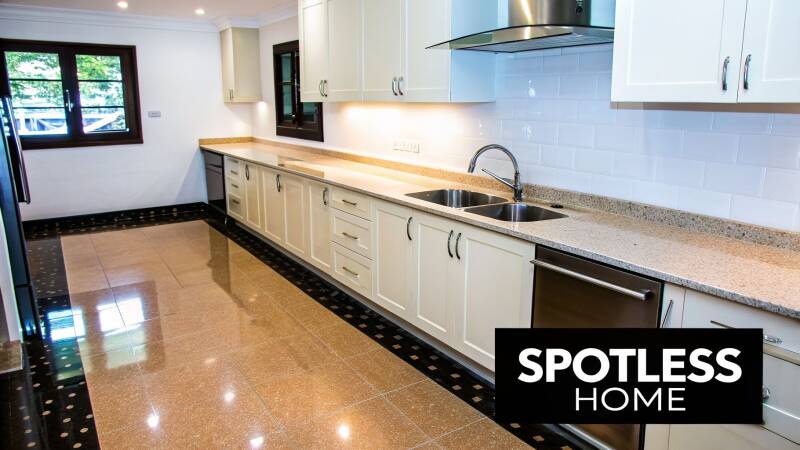
After decluttering, the next essential step in our "preparing a home for sale checklist" is a comprehensive deep clean. This goes far beyond a typical weekly tidying; it involves meticulously sanitizing every surface to make the home look, feel, and smell immaculate. A professionally cleaned home signals to buyers that the property has been well-maintained, building trust and allowing them to focus on its best features.
Why This is an Essential Next Step
A deep clean directly impacts a buyer's perception of value and care. It eliminates years of accumulated grime, dust, and odors that sellers may have become accustomed to. A sparkling clean environment ensures the property is presented in its best possible light for professional photos and in-person showings, which is critical for making a strong first impression.
For instance, a thorough kitchen deep clean in a Dutchess County home can reveal the original luster of countertops and make appliances look brand new. In bathrooms, a professional sanitization can remove stubborn hard water stains and mold from grout lines, transforming a dated space into one that feels fresh and hygienic.
Actionable Deep Cleaning Strategy
To achieve a show-ready level of cleanliness, a systematic approach is necessary.
- Schedule Smartly: Plan for professional cleaners to come in 1-2 weeks before your real estate photos are taken. Schedule a final, thorough clean just 2-3 days before your first open house.
- Top-to-Bottom Method: Clean from the ceiling down. Start with ceiling fans, light fixtures, and high corners, then move to walls, windows, and baseboards, finishing with the floors.
- Focus on Key Areas: Pay extra attention to kitchens and bathrooms. Scrub grout, descale faucets, clean inside and outside all appliances, and polish all fixtures until they shine.
- Don't Forget Hidden Spots: Buyers will look everywhere. Clean inside closets, wipe down pantry shelves, wash window sills, and sanitize light switches and doorknobs. Use neutral-scented products to avoid overwhelming potential buyers.
Expert Insight: "Nothing turns a buyer off faster than a dirty home. We see it all the time. A home can have a great layout and location, but if there are lingering odors or visible grime, buyers assume the property has been neglected. A professional-level clean is a non-negotiable investment."
For homeowners preparing a property for sale, ensuring every corner is spotless can seem daunting. Partnering with professionals who specialize in pre-sale preparations ensures no detail is overlooked, maximizing your home’s market potential.
- Interior Repairs and Small Home Improvements
After decluttering, the next step in preparing a home for sale is addressing all necessary interior repairs and making small, high-impact improvements. This process involves fixing the minor issues that buyers notice immediately and that often appear on inspection reports. Addressing these details proactively eliminates potential negotiation points for buyers and demonstrates that the home has been well-maintained.
Why This is an Essential Next Step
Small repairs and strategic upgrades are critical for creating a move-in-ready impression. Issues like leaky faucets, scuffed walls, or outdated hardware can collectively signal neglect to a potential buyer, causing them to question the home's overall condition. Completing these tasks beforehand builds buyer confidence and helps secure a higher offer price.
For example, patching and repainting a wall with minor drywall damage in a high-traffic Dutchess County entryway is a small investment that pays dividends. It removes an immediate visual flaw and contributes to a polished, cared-for aesthetic that appeals to discerning buyers.
Actionable Repair and Improvement Strategy
Focus your efforts on repairs that offer the highest return on investment and address the most common buyer turn-offs.
- Prioritize High-Impact Areas: Concentrate on the kitchen, bathrooms, and entryway. These rooms are the most influential in a buyer's decision-making process.
- Fix the Obvious: Address issues like leaky faucets, running toilets, sticky doors, and damaged window screens. These are red flags for home inspectors.
- Fresh Paint, Fresh Look: Apply a fresh coat of neutral paint (think soft grays, beiges, or off-whites) to walls with scuffs or dated colors. This is one of the most cost-effective ways to modernize a space.
- Update Hardware and Fixtures: Replace old, tarnished cabinet pulls, doorknobs, and light fixtures with modern, inexpensive alternatives. This simple swap can instantly update the feel of a kitchen or bathroom.
Expert Insight: "A buyer's first impression is everything. We often handle minor demolition and pre-renovation prep, and the goal is always to create a clean, functional canvas. Fixing a small hole in the drywall or replacing a dated vanity isn't just a repair; it's a strategic move to prevent buyers from mentally subtracting costs from their offer."
For homeowners looking to see the dramatic effect of these small changes, you can view transformative before-and-after project photos that showcase the power of strategic repairs.
- Exterior Cleaning and Landscaping Improvements
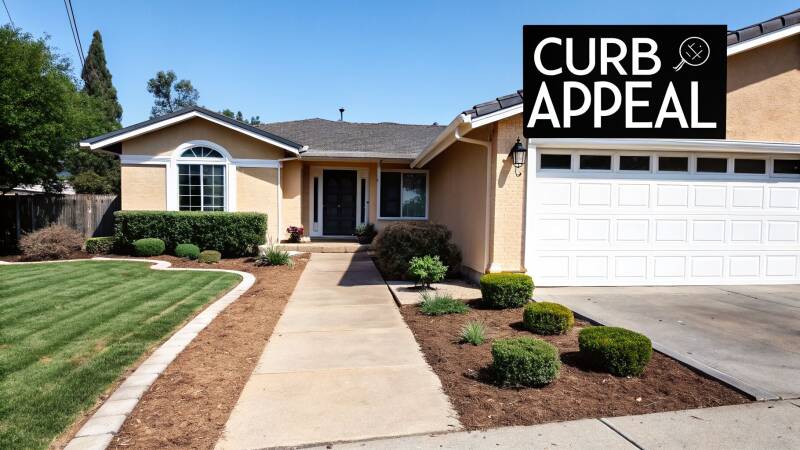
The first impression a buyer has of your property happens before they ever step inside. Enhancing curb appeal through exterior cleaning and landscaping is a high-impact task on any preparing a home for sale checklist. This process involves cleaning the building's facade, tidying up the grounds, and adding strategic touches to create a welcoming, well-maintained appearance that can boost perceived home value significantly.
Why This is an Essential Step
A pristine exterior signals to buyers that the home has been cared for, setting a positive tone for the entire showing. Neglected landscaping, dirty siding, or a cluttered yard can create an immediate negative impression, suggesting that other, less visible maintenance has also been deferred. It's the visual handshake that introduces your home to the market.
For instance, a simple pressure washing of a grimy driveway in a Westchester property can make the entire home look newer and more appealing in listing photos. Likewise, trimming back overgrown shrubs at a Putnam County home can reveal attractive architectural features and allow more natural light to enter the windows, transforming the property's entire presentation.
Actionable Exterior Improvement Strategy
To elevate your home's curb appeal, focus on clean lines, color, and maintenance.
- Clean All Surfaces: Pressure wash siding, walkways, driveways, and patios to remove dirt, mildew, and stains. This should be done 2-3 weeks before photos are taken.
- Landscaping Overhaul: Trim all overgrown trees and shrubs, ensuring they don't block windows or walkways. Edge the lawn for a crisp, manicured look and remove all weeds.
- Add Fresh Mulch and Color: Apply a fresh layer of mulch to all garden beds; it's an inexpensive way to make landscaping look tidy and professional. Plant seasonal flowers in pots or beds near the entrance for a welcoming pop of color.
- Tackle Outdoor Junk: Remove any old, non-functional items from the yard, such as broken playsets, unused planters, or old lawn equipment. If you need guidance, learn how to dispose of old lawn equipment responsibly to clear your space effectively.
Expert Insight: "Curb appeal is non-negotiable. We often see homeowners focus entirely on the interior and forget that the buyer's decision-making process starts from the street. A clean exterior and tidy landscaping tell a story of a well-loved home before the front door even opens."
- Kitchen and Bathroom Updates
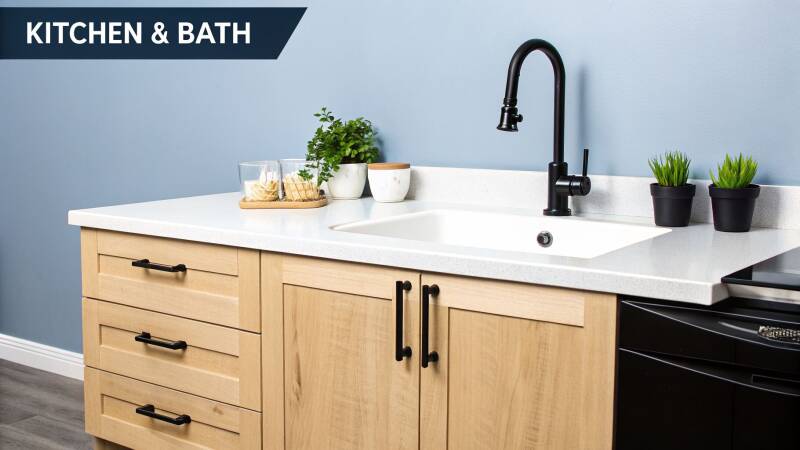
After decluttering and painting, the next highest-impact items on any preparing a home for sale checklist are strategic updates to the kitchen and bathrooms. These two areas heavily influence a buyer's decision and offer the highest return on investment. Full renovations are rarely necessary; instead, the focus should be on smart, cosmetic improvements that create a fresh, modern, and move-in-ready feel.
Why This is the Essential First Step
Kitchens and bathrooms sell homes. Buyers scrutinize these rooms more than any other, and an outdated or worn-out space can be an immediate dealbreaker. Small, affordable updates can elevate the entire feel of the home, preventing buyers from mentally subtracting thousands of dollars for a future renovation. They see a clean, functional space they can use immediately, which is a powerful motivator.
For example, simply replacing the dated brass hardware on kitchen cabinets with modern matte black or brushed nickel handles can transform the look of an entire kitchen. Similarly, in a Dutchess County home, upgrading a bathroom with a new vanity, modern light fixture, and sleek faucet can make it feel like a completely new space without touching the tile or layout.
Actionable Update Strategy
Focus your budget on visible, high-impact improvements that buyers will notice right away.
- Hardware and Fixtures: This is the easiest and most affordable update. Replace old cabinet pulls, drawer handles, faucets, and showerheads with contemporary finishes.
- Lighting: Swap out dated light fixtures for bright, modern LED options. Good lighting makes these rooms feel larger, cleaner, and more inviting.
- Paint and Polish: A fresh coat of paint on cabinets can be transformative. If cabinets are in good shape, painting them a neutral white or light gray is a cost-effective alternative to replacement.
- Caulk and Grout: In bathrooms, clean or regrout tile and apply fresh, clean caulk around tubs, sinks, and showers. This small detail erases signs of age and wear.
Expert Insight: "We advise clients to focus on the 'Big Three' in kitchens and baths: fixtures, lighting, and surfaces. You don't need a gut renovation. A new faucet, updated vanity light, and a professionally refinished countertop can provide 80% of the impact of a full remodel for 20% of the cost. It’s about making the space feel clean, current, and cared for."
- Structural Inspection and Major Repairs
A proactive structural and systems inspection is a strategic move in any "preparing a home for sale checklist." This involves hiring a licensed home inspector before listing to uncover potential issues with the home's core components. Identifying and addressing major problems with the roof, foundation, electrical, plumbing, or HVAC systems upfront prevents unpleasant surprises during the buyer's inspection, which can lead to costly renegotiations, delays, or even a collapsed deal.
Why This is an Essential Proactive Step
A pre-listing inspection shifts control back to you, the seller. It allows you to tackle necessary repairs on your own timeline and budget, rather than under the pressure of a buyer's ultimatum. Uncovering and fixing a leaky roof in a Westchester home or updating faulty wiring in an older Putnam County property beforehand builds buyer confidence and demonstrates that the home has been well-maintained.
This step is foundational to a smooth transaction. Major defects discovered by a buyer's inspector are the number one reason deals fall apart. By resolving these issues, you protect your home's value and streamline the path to closing.
Actionable Repair Strategy
To manage this process effectively, follow a clear plan.
- Schedule Early: Book a pre-listing inspection 6-8 weeks before you plan to list. This provides ample time to get quotes and complete any necessary work.
- Prioritize Repairs: Focus on critical issues first: safety hazards (like outdated electrical panels), major system failures (a non-functional HVAC), and potential water damage (roof or foundation leaks).
- Document Everything: Keep all invoices, permits, and warranties for completed work. This documentation is a powerful asset to provide to potential buyers.
- Evaluate Cost vs. Benefit: For extremely expensive repairs, weigh the cost against offering a credit or adjusting the list price. Consult with your real estate agent to determine the best financial strategy based on local market conditions.
Expert Insight: "Nothing kills a deal faster than a bad inspection report. When we're called in for repair or demolition work following an inspection, it’s often a reactive, high-stress situation. A pre-listing inspection turns this around. It allows the seller to manage repairs calmly and present a clean, solid home, which almost always results in a faster, more profitable sale."
- Flooring Restoration and Replacement
Flooring is one of the most impactful visual elements of a home. This step involves restoring, cleaning, or replacing worn-out flooring to create a clean, unified foundation that enhances the home's overall appeal. Worn carpets, scratched hardwood, or dated tile can signal neglect to buyers, while fresh, attractive floors make a home feel well-maintained, modern, and move-in ready.
Why This is an Essential Step
Flooring sets the stage for every room and directly influences a buyer's perception of value. It's one of the first things people notice upon entering a home. Investing in flooring provides a significant return, as it can make a space feel larger, brighter, and more cohesive. It’s a foundational part of any serious "preparing a home for sale checklist."
For instance, refinishing original hardwood floors in a historic Orange County home can restore its classic charm and become a major selling point. In contrast, simply replacing a badly stained carpet in a main living area can remove a huge objection for potential buyers, allowing them to focus on the home's positive features.
Actionable Flooring Strategy
Focus on high-impact areas to maximize your return on investment.
- Assess and Prioritize: Evaluate flooring in high-traffic areas like the entryway, living room, and kitchen first. These spaces make the biggest impression.
- Refinish vs. Replace: When possible, refinishing hardwood floors is more cost-effective than a full replacement and often reveals stunning original character.
- Deep Clean: Have carpets and tile grout professionally cleaned 1-2 weeks before photos. This can often revive them enough to avoid costly replacement.
- Strategic Replacement: For flooring that is beyond repair, such as heavily stained carpet or cracked tiles, opt for neutral, widely appealing replacement options like light-colored carpet, luxury vinyl plank (LVP), or classic tile.
- Timeline: Complete all major flooring work at least 2-3 weeks before listing photos to allow for dust to settle and any off-gassing to dissipate.
Expert Insight: "Floors are a make-or-break feature. A buyer who sees worn-out, mismatched flooring immediately starts calculating replacement costs, and they always overestimate. By addressing it upfront, you remove a major negotiation point and present a home that feels cared for and valuable."
Whether it's pulling up old carpet or addressing a damaged subfloor, a professional can ensure the project is done right. For tasks that involve removing old materials, you may need a service for proper construction debris removal.
- Painting and Interior Color Updates
One of the most cost-effective and highest-impact updates in any "preparing a home for sale checklist" is a fresh coat of paint. Applying neutral, modern colors throughout the interior instantly hides scuffs, stains, and years of wear. More importantly, it creates a clean, bright, and universally appealing canvas that allows potential buyers to easily envision their own furniture and lives in the home. It is a proven strategy for maximizing perceived value.
Why This is an Essential Upgrade
Painting is a powerful tool for transformation with an impressive return on investment, often cited as over 100%. A strategic color update can make small rooms feel larger, dark spaces feel brighter, and dated interiors look modern and well-maintained. It neutralizes the seller's personal taste, which might not align with a buyer's, removing a potential objection before it even arises.
For example, transforming a living room with dark, dated walls into a space with a soft, warm gray immediately makes it feel more inviting and expansive. In older homes in Dutchess County, a fresh coat of paint in hallways and entries can set a positive, welcoming tone for the entire property tour, highlighting architectural details that were previously lost.
Actionable Painting Strategy
To ensure your paint job adds maximum value, approach it with a clear plan.
- Choose Neutral Colors: Stick to a palette of whites, warm grays, soft beiges, or light taupe. These colors have broad appeal and act as a perfect backdrop for staging.
- Create Cohesion: Use the same neutral color or a complementary palette throughout the home to create a seamless, flowing feel. Paint the trim, doors, and ceilings a clean, crisp white for a modern, finished look.
- Proper Preparation is Key: The quality of the finish depends on the prep work. Meticulously fill all nail holes, patch cracks, and sand any glossy or uneven surfaces before you begin.
- Time it Right: Complete all painting at least two weeks before professional photos are scheduled. This allows ample time for the paint to cure, for any necessary touch-ups, and for any lingering paint odors to dissipate completely before showings.
Expert Insight: "We always advise clients to paint over bold or highly specific colors. A buyer walking into a lime green kitchen or a dark red bedroom is immediately distracted. A neutral palette allows them to focus on the home's features, like the layout and natural light, not the seller's design choices. It's the simplest way to make a home feel new."
- Lighting Upgrades and Brightness Enhancement
Improving a home's lighting is a powerful yet often overlooked step in a "preparing a home for sale checklist." This process involves replacing dated fixtures, upgrading bulbs, and ensuring every room feels bright and inviting. Proper lighting dramatically influences a buyer's perception, making spaces appear larger, cleaner, and more modern. It's a strategic investment that can yield a significant return by creating an atmosphere of warmth and quality.
Why This is an Essential Step
Lighting sets the mood and highlights a home's best features while downplaying imperfections. Dark corners and dimly lit rooms can make a property feel small, dated, and depressing. Upgrading fixtures is a cost-effective way to modernize a home's aesthetic without undertaking a major renovation. It directly impacts the quality of real estate photos, making your online listing far more appealing to potential buyers.
For instance, swapping a dated brass chandelier in a Dutchess County colonial for a sleek, contemporary fixture can instantly update the entire entryway. Likewise, replacing old bathroom vanity lights with modern sconces can create a spa-like feel, transforming a purely functional space into a desirable feature.
Actionable Lighting Strategy
To effectively brighten your home for sale, focus on high-impact areas and smart, modern choices.
- Prioritize Key Rooms: Focus your budget on the entryway, kitchen, bathrooms, and living room, as these spaces make the biggest impression.
- Choose Modern Fixtures: Opt for clean, simple designs in popular finishes like brushed nickel, matte black, or bronze. Avoid anything overly ornate or style-specific.
- Switch to LED: Replace all incandescent bulbs with bright, energy-efficient LEDs. Choose a "warm white" or "daylight" temperature (2700K-5000K) to create a welcoming, natural glow.
- Add Dimmer Switches: Installing dimmer switches in dining rooms, living rooms, and primary bedrooms is an inexpensive upgrade that adds a touch of luxury and versatility.
- Don't Forget the Exterior: Update outdoor sconces, porch lights, and landscape lighting to boost evening curb appeal and create a sense of security.
Expert Insight: "A well-lit home is a well-received home. Buyers are psychologically drawn to bright, open spaces. We often see homeowners spend thousands on paint but neglect 20-year-old light fixtures. A simple fixture swap can change a room's entire personality and make it feel brand new for a fraction of the cost."
- Environmental Hazard Assessment and Remediation
A crucial, often overlooked, part of any comprehensive "preparing a home for sale checklist" is addressing potential environmental hazards. This involves professionally identifying and correcting issues like mold, asbestos, lead paint, radon, and pest infestations. Proactively managing these hazards protects sellers from liability and prevents last-minute surprises during the buyer's inspection that could derail the sale.
Why This is an Essential Pre-Listing Step
Uncovering and fixing environmental issues before listing gives you control over the process, costs, and timeline. If a buyer's inspector finds a significant problem like high radon levels or mold in the basement, it can lead to costly repair credits, lowered offers, or even a cancelled contract. Many older homes in the Northeast, particularly in Westchester and Orange Counties, are susceptible to these issues, making pre-listing assessments a smart investment.
For example, discovering and professionally remediating mold in an older Putnam County home's attic before listing transforms a major red flag into a documented improvement. Similarly, testing for and disclosing the presence of lead paint in a pre-1978 Dutchess County home, along with proof of proper encapsulation, provides buyers with confidence and transparency.
Actionable Hazard Remediation Strategy
A proactive approach is key to managing these potential deal-breakers effectively.
- Schedule Early Inspections: Arrange for professional testing for radon, mold, and lead paint at least 6-8 weeks before your target list date.
- Use Licensed Professionals: Only hire certified and licensed experts for both assessment and remediation. This ensures the work is done correctly and provides credible documentation.
- Document Everything: Keep a detailed file of all inspection reports, remediation work orders, receipts, and clearance certificates. This documentation is a powerful asset during negotiations.
- Disclose and Showcase: Legally, you must disclose known hazards. By pairing this disclosure with proof of professional remediation, you demonstrate responsible ownership and build trust with potential buyers.
Expert Insight: "Hidden hazards are a seller's worst nightmare. We often see sales fall apart because an inspection revealed mold or asbestos the owner wasn't aware of. Addressing these issues upfront removes buyer uncertainty and shows the home has been meticulously cared for, justifying a higher asking price."
Tackling these issues head-on is not just about compliance; it's about presenting a safe, healthy, and move-in-ready property that commands top dollar on the market.
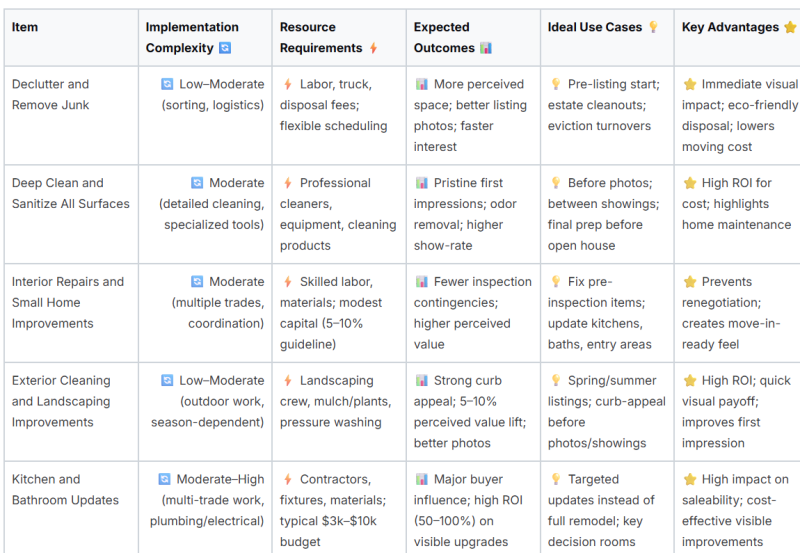
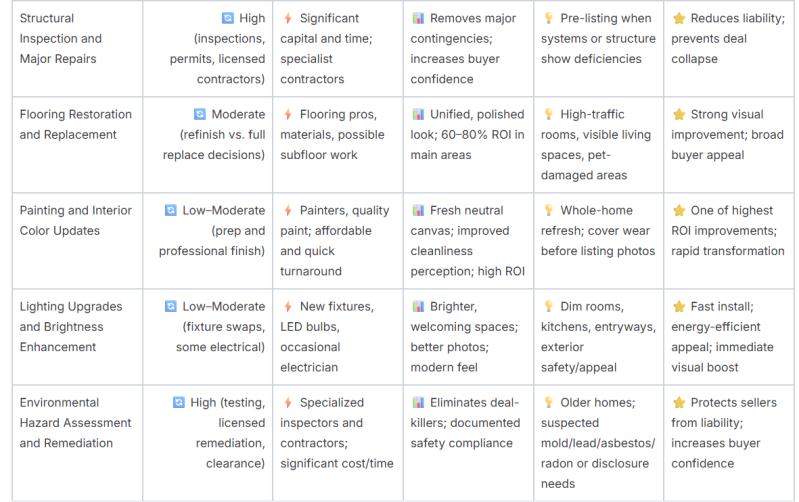
10-Item Home Sale Prep Comparison
Cross the Finish Line to a Successful Sale
Navigating the complexities of preparing a home for sale can feel like running a marathon, but the finish line is now in sight. This comprehensive preparing a home for sale checklist was designed not just as a list of tasks, but as a strategic roadmap to maximize your property's value and appeal. By systematically addressing each area, from the first impression of curb appeal to the pristine condition of your interiors, you have methodically eliminated potential buyer objections and created a space that feels aspirational, welcoming, and move-in ready.
You've moved beyond the basic "tidy up" advice. Instead, you've embraced a strategic approach that transforms a lived-in house into a highly desirable market product. The journey involved tough decisions, elbow grease, and a keen eye for detail, but the potential return on that investment is substantial. A well-prepared home doesn't just sell; it sells faster and for a higher price, creating a smoother and more profitable experience for everyone involved.
Key Takeaways for a Market-Ready Property
Let’s distill the core principles from our detailed checklist into a few powerful takeaways. These are the concepts that truly drive results in today's competitive real estate market, especially in discerning areas like Westchester, Putnam, Dutchess, and Orange counties.
- Decluttering is Non-Negotiable: The single most impactful, high-ROI activity you can undertake is aggressive decluttering and depersonalization. Removing excess furniture, personal items, and general clutter instantly makes rooms appear larger, brighter, and more versatile. It allows potential buyers to envision their own lives within the space, a critical step in forming an emotional connection to the property.
- Cleanliness Signals Care: A home that is deep cleaned to a professional standard communicates a powerful message: this property has been meticulously maintained. Buyers notice the details, from sparkling windows and grime-free baseboards to sanitized kitchens and bathrooms. This level of cleanliness builds trust and reduces perceived risk, suggesting that the home has been well-cared for in less visible areas as well.
- Strategic Repairs Prevent Re-negotiation: Addressing minor repairs, from a dripping faucet to a cracked tile, is a defensive strategy that pays dividends. These small issues can accumulate in a buyer's mind, creating a perception of neglect and providing leverage for them to negotiate the price down. By fixing them upfront, you present a polished, problem-free home and retain control of the negotiation.
Your Actionable Next Steps
With the bulk of the preparation complete, your focus now shifts to execution and presentation. Your final steps are about putting the finishing touches on your hard work and launching your property onto the market with confidence.
- Final Walk-Through: Conduct one last, thorough inspection of the property. Look at it through the eyes of the most critical buyer. Check for any missed details, smudges on walls, or dust that has settled.
- Professional Photography and Videography: High-quality visuals are essential. Your efforts in preparing the home deserve to be captured by a professional who can highlight its best features, proper lighting, and spaciousness. This is your primary marketing tool.
- Collaborate with Your Real Estate Agent: Your agent is your professional partner. Share your completed checklist with them, discuss the highlights and improvements, and strategize on the best listing price and marketing plan to capitalize on the home's now-pristine condition.
Ultimately, mastering this preparing a home for sale checklist is about taking control of your home selling journey. You are no longer a passive participant but an active manager of one of your most significant financial assets. The effort invested now directly translates into tangible rewards: a stronger market position, more attractive offers, and the peace of mind that comes from knowing you've done everything possible to achieve a successful sale.
For real estate professionals and homeowners in the Hudson Valley who need to finalize their property preparation, D&B Complete Home Services INC. offers the expert support to get you across the finish line. Whether it's a final junk hauling run, light demolition to enhance a space, or last-minute repairs, our team provides the reliable and efficient services needed to make your property shine. Visit D&B Complete Home Services INC. to get a free estimate and ensure your home is perfectly prepared for a successful sale.
Add comment
Comments